 blog
Is a High-Efficiency Furnace Worth the Cost? A Clifton Guide
Last Updated: November 2, 2026
Quick Summary
A high-efficiency furnace is worth the cost for many Clifton homeowners, but only when the numbers fit the home. These gas furnaces are generally rated at 90% AFUE or higher, meaning more of the fuel becomes heat over a year. A professional assessment can compare both options for your property before you decide.
- High-efficiency gas furnaces are generally rated at 90% AFUE or higher.
- AFUE measures how much of the fuel a furnace turns into heat over a year.
- A condensing unit extracts extra heat from the exhaust, so it uses less gas.
- High-efficiency units need a condensate drain and PVC venting, which can change a retrofit.
- A high-efficiency unit sized incorrectly for the home can lose much of its efficiency advantage.
Table of Contents
- High-Efficiency Furnace vs. Standard: What Changes
- Disadvantages of High-Efficiency Furnaces to Weigh
- Cost of a High-Efficiency Furnace and Air Conditioner, and Whether to Buy
- Frequently Asked Questions
High-Efficiency Furnace vs. Standard: What Changes
A high-efficiency furnace is worth the cost for many Clifton homeowners, but only when the numbers fit the home. High-efficiency gas furnaces are generally rated at 90% AFUE or higher, while standard models run lower. AFUE, or annual fuel use efficiency, measures how much of the fuel a furnace turns into heat over a year (Purchasing Energy-Efficient Residential Furnaces).
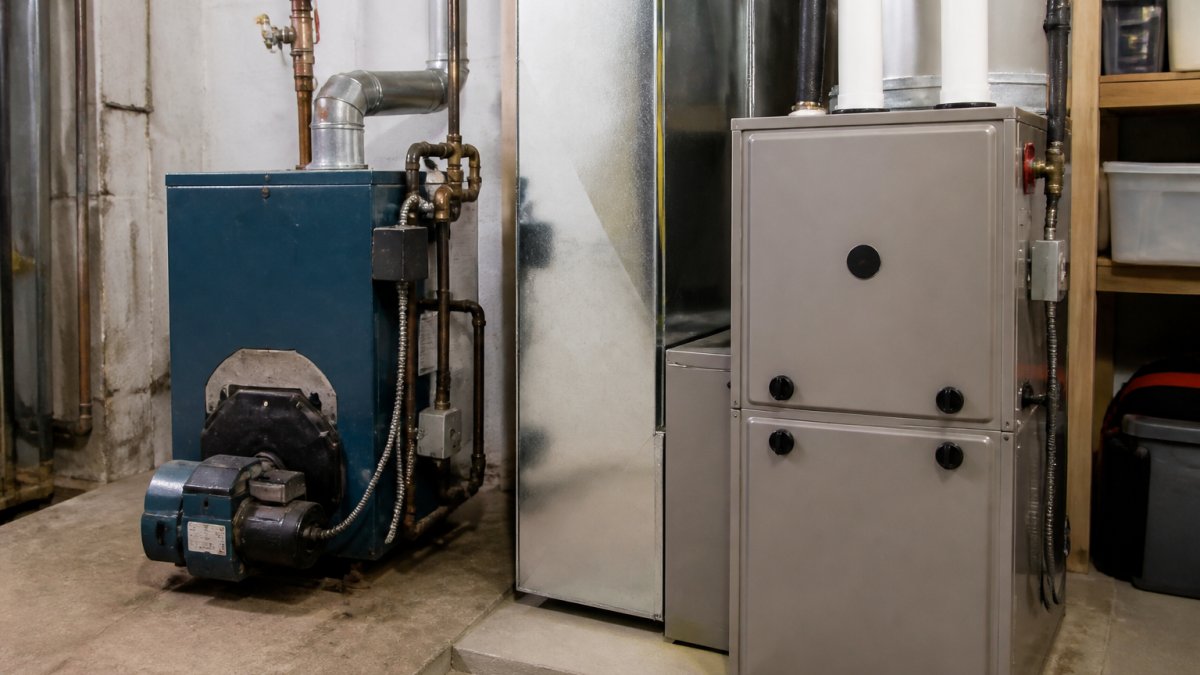
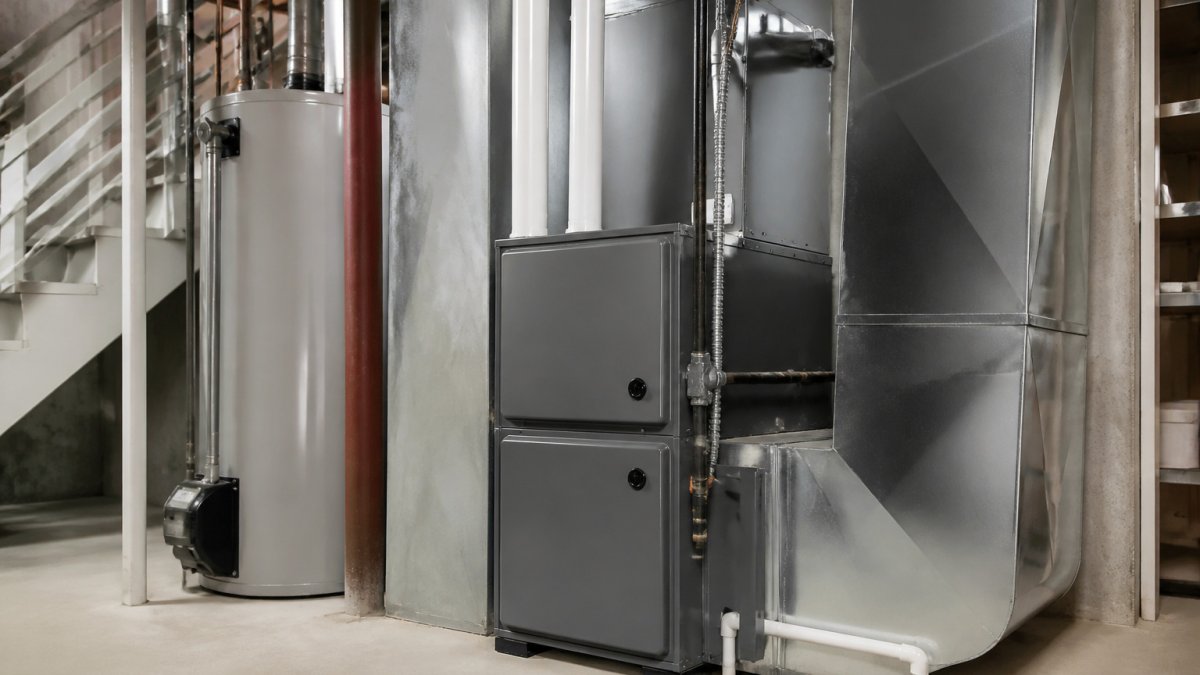
The main difference is how the exhaust is handled. A condensing unit extracts extra heat from the exhaust, which lets it use less gas. It also needs a condensate drain and PVC venting, which can change what a retrofit involves.
A professional assessment can compare both options side by side for your property, reviewing your current system, your fuel use, and your home's layout before recommending a path.
The core differences between high-efficiency and standard furnaces come down to efficiency rating, exhaust handling, and installation requirements.
| Feature | High-efficiency furnace | Standard furnace |
|---|---|---|
| AFUE rating | Generally 90% or higher | Runs lower than 90% |
| Exhaust handling | Extracts extra heat from exhaust | Does not extract extra heat |
| Installation needs | Condensate drain and PVC venting | Standard venting |
| What AFUE measures | Share of fuel turned into heat over a year | Share of fuel turned into heat over a year |
Disadvantages of High-Efficiency Furnaces to Weigh
High-efficiency furnaces cost more upfront, and the savings depend on how much you run the system.
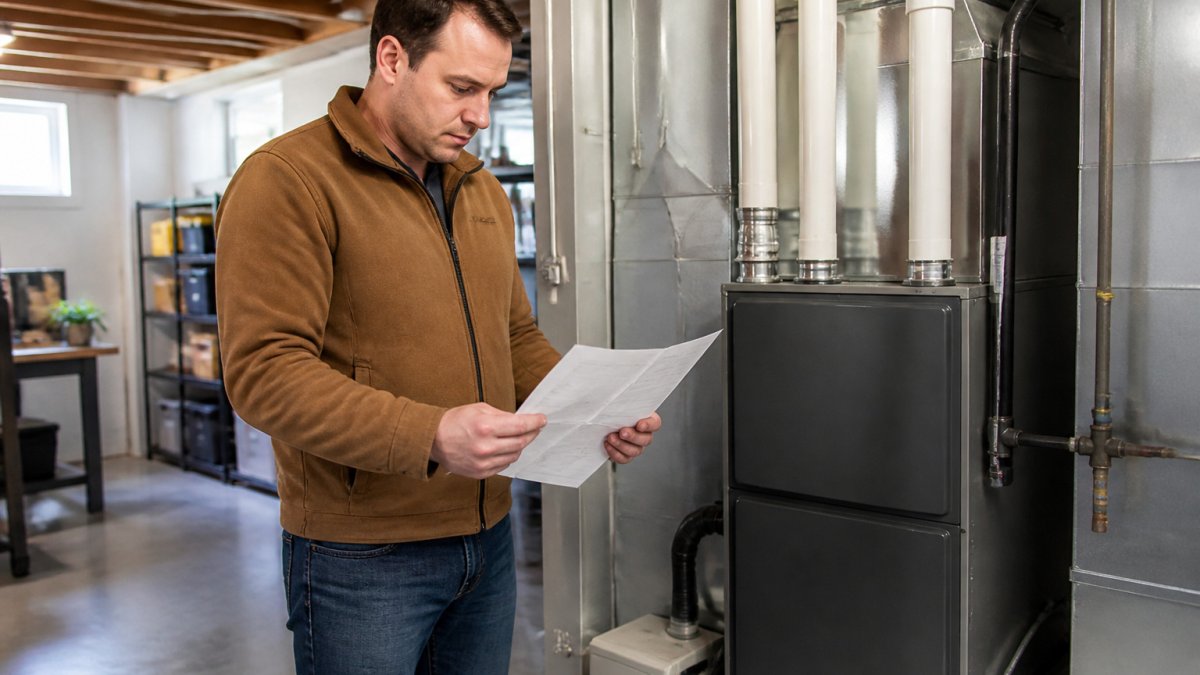
Watch out: a high-efficiency unit that is not sized correctly for the home can lose much of its efficiency advantage.
Other tradeoffs include:
- Higher installation cost, especially when venting must be modified
- A condensate drain that needs periodic maintenance
- Savings that shrink in homes with mild winters or low heating demand
Cost of a High-Efficiency Furnace and Air Conditioner, and Whether to Buy
Replacing an older system is a major decision, and a written estimate is the right starting point. Tornado HVAC provides clear written recommendations so you can compare options before committing.
Bundling a new furnace with central air can simplify installation, and the [page:1] explains replacement considerations. Many homeowners also weigh a [page:2] against a furnace, and [page:3] is worth reviewing if you are considering cooling upgrades.
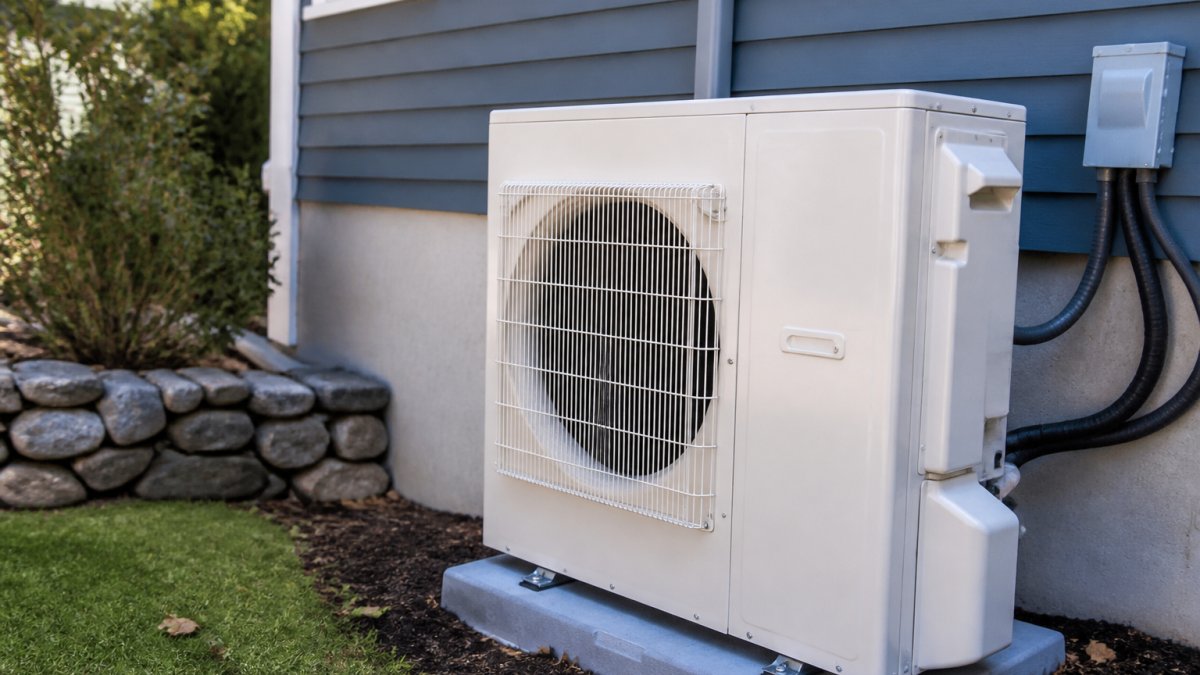
If you are looking at a heat pump, our [page:4] covers the basics of heat-pump options. When you are ready to choose an installer, our [page:5] outlines general selection considerations.
To review your options, schedule service with Tornado HVAC and request a written assessment for your Clifton home.
Frequently Asked Questions
How do I know if I have a high-efficiency furnace?
Check the furnace's rating plate or the AFUE (annual fuel utilization efficiency) figure in the manufacturer's documentation. Units at roughly 90% AFUE or higher are generally considered high-efficiency and usually have a second flue pipe or a PVC condensate drain line running out of the cabinet. If you cannot find the model information, a Tornado HVAC technician can identify your system during a diagnostic visit and explain what it means for your home.
Do high-efficiency furnaces really save you money?
They can reduce fuel use compared with older standard-efficiency units, but the savings depend on your heating demand, home size, insulation, thermostat habits and local gas rates. Because the higher purchase price takes time to recover through lower bills, the payback period varies from home to home. Ask for a written estimate that shows the equipment and installation cost so you can compare it with your expected fuel savings.
How much does a high-efficiency furnace cost to install?
Pricing depends on the equipment, the condition of your existing ductwork and venting, and the scope of the job, so there is no single figure that applies to every home. Tornado HVAC provides a written recommendation after diagnostics. For current pricing or a quote tailored to your property, contact Tornado HVAC directly through its website.