 blog
Heating Alternatives for NJ Homes: 7 Options Compared
Last Updated: November 14, 2026
Quick Summary
The main heating alternatives for North Jersey homes are gas furnaces, boilers, air-source heat pumps, cold-climate heat pumps, dual fuel systems, ductless mini-splits, and electric resistance heat. Each suits different homes, so the right choice depends on existing gas lines, ductwork, and how cold your winters get.
- Air-source heat pumps are efficient in mild weather but need backup heat during a hard freeze.
- Boilers distribute heat evenly but require a home with a suitable hydronic setup.
- Ductless mini-splits heat individual zones and suit homes without ductwork.
- Installed cost depends on system type, home size, and existing ductwork or piping condition.
- Confirm NJ Clean Energy Program rebate eligibility on the official website before signing a contract.
Table of Contents
- Seven Heating Alternatives Compared for North Jersey Homes
- What Installed Costs Look Like for a Replacement System
- Checking NJ Clean Energy Program Rebates Before You Buy
- Frequently Asked Questions
Seven Heating Alternatives Compared for North Jersey Homes
Choosing a heating system for a North Jersey home is harder than it used to be. Several options now compete for the same job, and each one suits a different house. At Tornado HVAC, we help homeowners in Bergen, Essex, Morris, Passaic, and Union counties sort through these choices with professional diagnostics and clear written recommendations.
The seven heating alternatives most homeowners consider are gas furnaces, boilers, air-source heat pumps, cold-climate heat pumps, dual fuel systems, ductless mini-splits, and electric resistance heat. Each has different strengths in cold weather, upfront cost, and operating expense. A heat pump may be efficient for a mild stretch but need backup heat during a hard freeze. A boiler may distribute heat evenly but needs a home with a suitable hydronic setup.
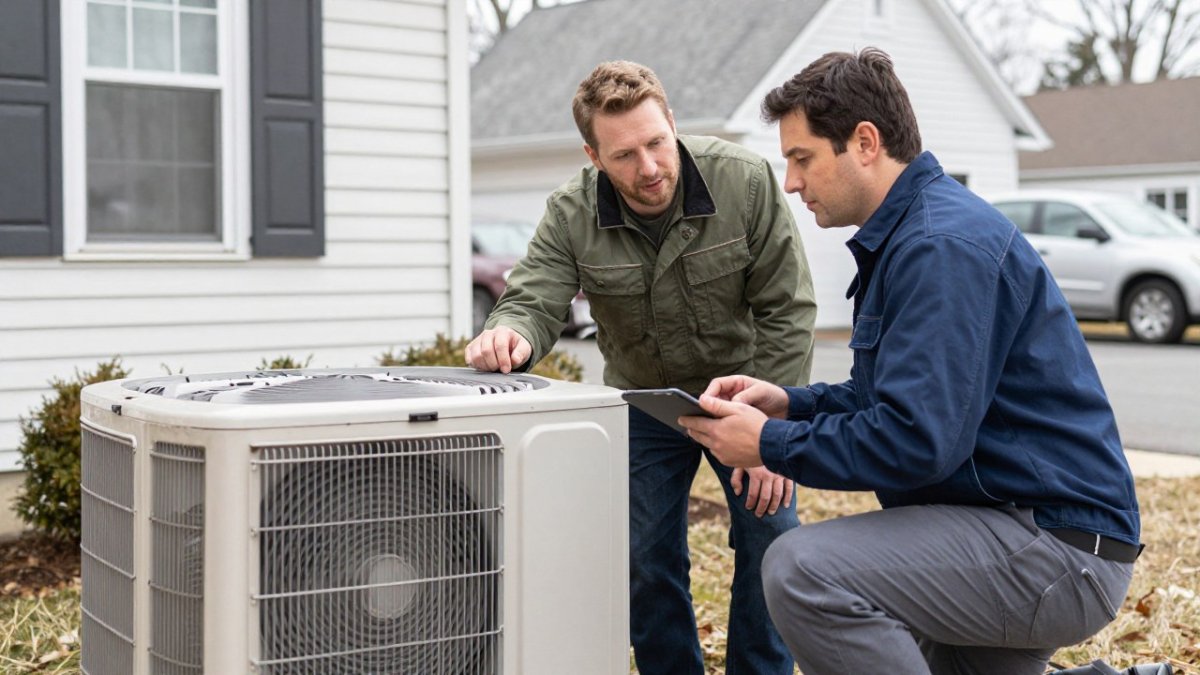
!A homeowner and an HVAC technician reviewing a heat pump outdoor unit beside a suburban New Jersey house in winter
The table below summarises the seven heating alternatives and what each one is best suited to.
| Option | Best for | Key difference |
|---|---|---|
| Gas furnaces | Homes with existing gas lines | Heats air through ductwork |
| Boilers | Homes with a suitable hydronic setup | Distributes heat evenly |
| Air-source heat pumps | Mild stretches of weather | Efficient, but needs backup heat in a hard freeze |
| Cold-climate heat pumps | Colder North Jersey winters | Designed to run in colder conditions |
| Dual fuel systems | Homeowners wanting a hybrid setup | Combines a heat pump with a backup heat source |
| Ductless mini-splits | Homes without ductwork | Heats individual zones without ducts |
| Electric resistance heat | Simple, low-upfront-cost needs | Converts electricity directly to heat |
What Installed Costs Look Like for a Replacement System
Installed cost depends on the system type, the size of the home, and the condition of existing ductwork or piping. Pricing varies, so request a written estimate for your specific property. Your Tornado HVAC technician can provide that estimate after an on-site assessment. Visit our website for current pricing or to request a quote.
Checking NJ Clean Energy Program Rebates Before You Buy
Many New Jersey homeowners qualify for incentives on high-efficiency equipment. The NJ Clean Energy Program offers incentives for eligible heating and cooling upgrades, and program terms change over time. Confirm current eligibility and amounts on the official program website before you sign a contract, and ask your installer whether the equipment you are considering qualifies.
Ready to compare your options? book a heating system assessment with our team, or review dual fuel heating benefits to see whether a hybrid system fits your home.
Tornado HVAC has been helping North Jersey homeowners stay comfortable through cold winters. Schedule service with us to get a clear, honest assessment of your heating options.
Frequently Asked Questions
Are heat pumps effective for North Jersey winters?
Modern cold-climate heat pumps are designed to keep running in New Jersey winters, but their output drops as outdoor temperatures fall. Many homeowners pair a heat pump with a backup heat source for the coldest nights. A written load calculation from a licensed technician at Tornado HVAC can show how a specific Clifton home would perform, including how much backup heat is needed and whether the existing ductwork or radiators are compatible.
What are the most energy-efficient heating alternatives for older homes in NJ?
Older homes often gain the most from a system that can be sized carefully and paired with air sealing and insulation work. Ductless mini-splits suit homes without existing ducts, while high-efficiency boilers can reuse radiator systems. Heat pumps can work well in older homes when the envelope is improved first. Tornado HVAC can compare these options against the actual layout and condition of the home.
How do I qualify for NJ Clean Energy Program rebates for new heating systems?
Eligibility for New Jersey Clean Energy Program incentives depends on the equipment type, its efficiency rating, and the program in effect at the time of installation. Program terms and available amounts change, so confirm current details with the program directly before signing a contract. Tornado HVAC can provide the equipment specifications and written recommendation a homeowner may need when checking eligibility.