 How-to
Benefits of Dual Fuel Heating Systems for North Jersey Homes
Last Updated: November 12, 2026
Quick Summary
Dual fuel heating combines an electric heat pump with a gas furnace. The heat pump handles most heating when outdoor temperatures are mild, and the furnace takes over when it gets very cold. You set the thermostat, and the system switches between the two heat sources automatically based on outdoor temperature.
- The heat pump does most of the work in mild outdoor temperatures.
- The gas furnace takes over when it gets very cold outside.
- Switching between the two sources is automatic, based on outdoor temperature.
- Dual fuel systems can lower heating costs in mild months, depending on local utility rates.
- A proper assessment and written recommendation should come before investing in a dual fuel system.
Table of Contents
- How a Dual Fuel Heating System Works
- Benefits and Pros and Cons of Dual Fuel Heat Pumps
- Booking a Dual Fuel System Assessment With Tornado HVAC
- Frequently Asked Questions
How a Dual Fuel Heating System Works
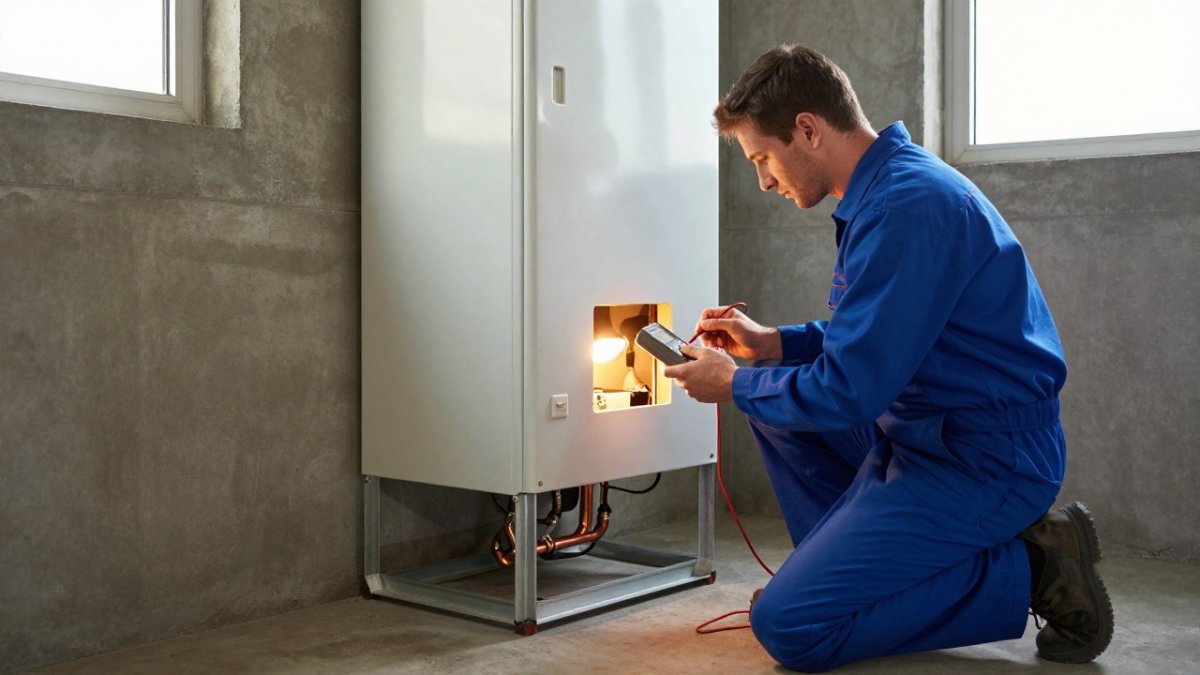
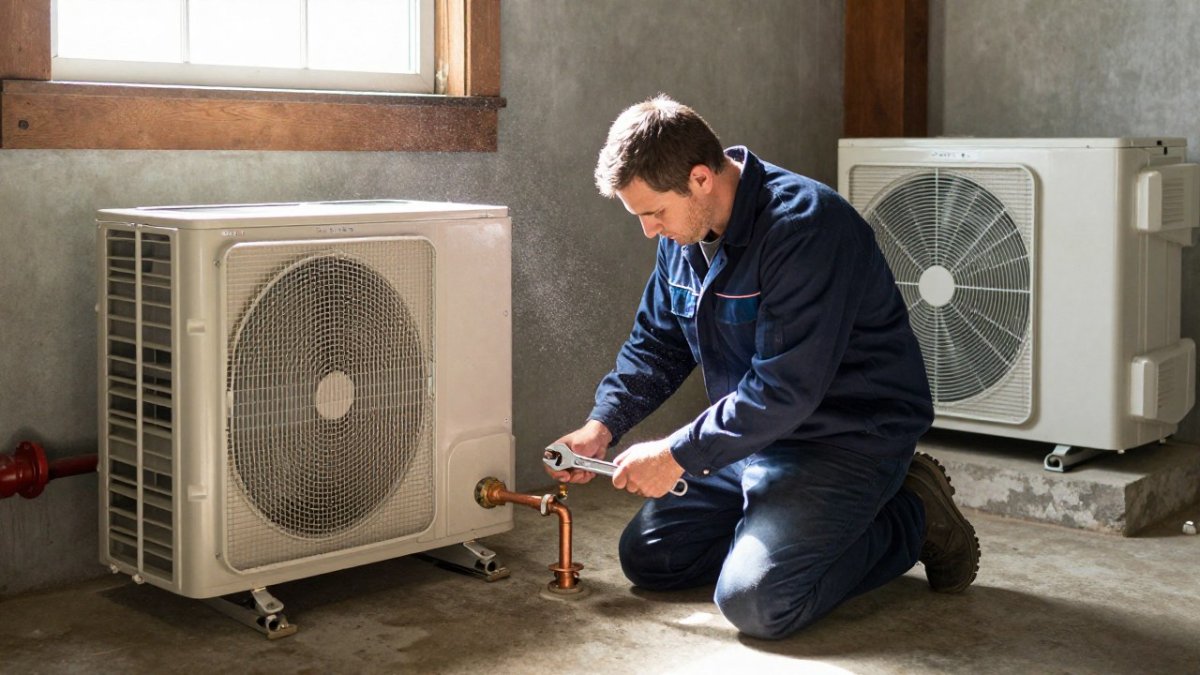
Benefits of dual fuel heating systems start with a simple idea. A dual fuel system pairs an electric heat pump with a gas furnace. The heat pump does most of the work when it's mild outside, and the furnace takes over when it gets very cold. At Tornado HVAC, we help North Jersey homeowners decide whether this setup fits their home.
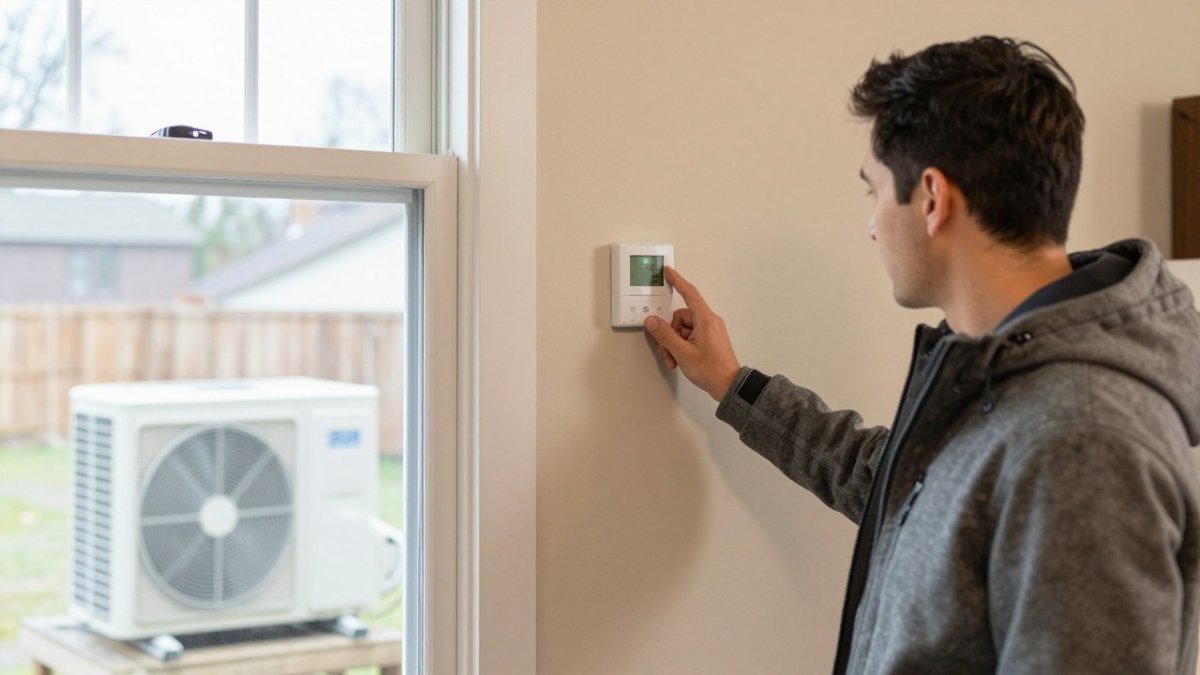
Dual fuel systems switch between the two heat sources based on outdoor temperature. You set the thermostat, and the system handles the rest.
Here is a quick summary of how the two heat sources divide the work.
| Condition | Heat source | Note |
|---|---|---|
| Mild outdoor temperatures | Electric heat pump | Does most of the work |
| Very cold outdoor temperatures | Gas furnace | Takes over when it gets cold |
| Switching between sources | Automatic | Based on outdoor temperature |
Benefits and Pros and Cons of Dual Fuel Heat Pumps
Dual fuel heating systems can offer advantages in certain conditions. They may lower heating costs in mild months and keep your home warm during deep cold snaps.
Benefits:
- Lower energy use in mild weather
- Reliable heat when temperatures drop
- Works with your existing gas furnace
Drawbacks:
- Higher upfront cost than a furnace alone
- Needs both electric and gas service
- Savings depend on local utility rates
Our heat pump services from Tornado HVAC team can review your equipment and utility setup. Learn more about PAGE: heat pump service options. For a deeper look at value, read ARTICLE: Are High Efficiency Heat Pumps Worth the Upgrade?.
Booking a Dual Fuel System Assessment With Tornado HVAC
A dual fuel system is a real investment, so start with a proper assessment. We provide professional diagnostics and a written recommendation you can review at your own pace.
Ready to find out if a dual fuel system fits your home? Schedule service with Tornado HVAC today.
Frequently Asked Questions
Is a dual fuel HVAC system worth it?
A dual fuel system can be worth it for homes that want lower heating bills and steady comfort during North Jersey winters, since the heat pump handles mild weather and the furnace takes over when temperatures drop. Whether it pays off depends on your current equipment, local fuel and electricity rates, and how much heating your home needs. Tornado HVAC can run a site assessment and provide a written recommendation so you can compare options before you decide.
How do I know if I have a dual fuel heating system?
Look for an outdoor heat pump unit paired with an indoor gas or oil furnace, along with a thermostat that switches between the two. Some systems use a single control board to manage the switchover. If you are unsure, a technician can confirm the equipment configuration during a diagnostic visit. Tornado HVAC provides professional diagnostics and clear written notes on what your system includes and how it operates.
What should I know about the cost of a dual fuel HVAC system?
Cost depends on the equipment, the size of your home, ductwork condition, and whether your existing system needs modifications. Tornado HVAC does not publish set prices for dual fuel installations. Contact the company for a site evaluation and a quote tailored to your property, so you can compare the upfront investment against expected operating savings.