 How-to
What Is an HVAC Emergency? When to Call for Help
Last Updated: November 18, 2026
Quick Summary
An HVAC emergency is any heating, cooling, or ventilation problem that poses an immediate risk to health, safety, or property. Gas smells, carbon monoxide alarms, smoke, and no heat in freezing weather are treated as true emergencies. For these, shut off the system if safe and call emergency services first when gas or carbon monoxide is involved.
- No heat below 60°F with vulnerable occupants means call now.
- No heat below 55°F for healthy adults means call now if overnight.
- No cooling above 85°F means call now if vulnerable people are home.
- A noisy system that still runs can usually wait until morning.
- Shut off the system if safe before contacting a licensed HVAC provider.
Table of Contents
- What Counts as an HVAC Emergency?
- What Temperature Is Considered an Emergency Maintenance Request?
- HVAC Emergency Repair vs. It Can Wait Until Tomorrow
- Frequently Asked Questions
What Counts as an HVAC Emergency?
An HVAC emergency is any heating, cooling, or ventilation problem that poses an immediate risk to health, safety, or property. Gas smells, carbon monoxide alarms, smoke, and no heat in freezing weather are treated as true emergencies.
- A gas smell or suspected fuel leak
- A carbon monoxide alarm sounding
- Smoke, sparks, or a burning smell from the equipment
- No heat during freezing weather, especially with a newborn or older adult home
- No air conditioning during a heat wave with vulnerable occupants present
- Water leaking from the system that could damage property
For anything on that list, shut off the system if safe, get everyone out when gas or carbon monoxide is involved, and call emergency services first. Emergency HVAC repair response times explain how quickly a technician will arrive. Then contact a licensed HVAC provider for emergency service.
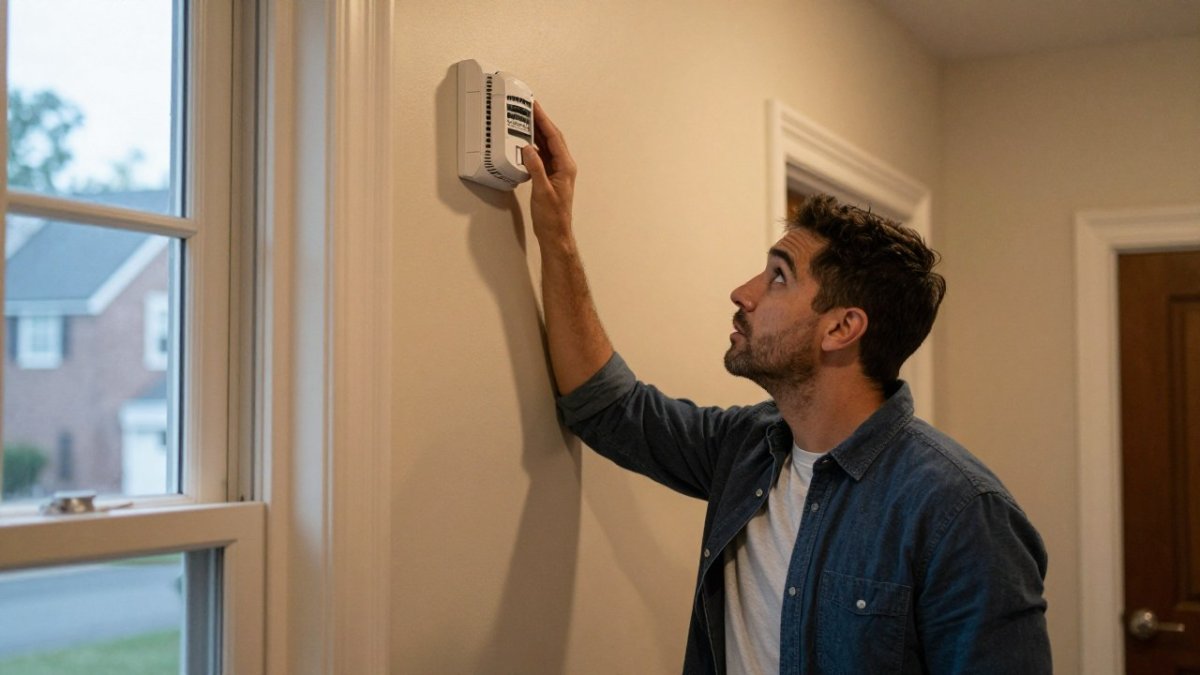
What Temperature Is Considered an Emergency Maintenance Request?
No single number makes an indoor temperature an emergency. When temperatures reach dangerous levels, follow these steps to get emergency HVAC repair near you in Clifton, NJ. The real question is who is home and how fast conditions are changing.
| Situation | Indoor Temperature | Urgency |
|---|---|---|
| No heat, vulnerable occupants | Below 60°F | Call now |
| No heat, healthy adults | Below 55°F | Call now if overnight |
| No cooling, extreme heat | Above 85°F | Call now if vulnerable |
HVAC Emergency Repair vs. It Can Wait Until Tomorrow
The decision comes down to one test: is anyone's safety at risk? If you are weighing whether emergency HVAC service is worth the cost, that guide breaks it down. If yes, call now; if no, a morning appointment is usually fine. Before you commit to a costly repair, check whether homeowners insurance covers HVAC repair.
-
You smell gas or a carbon monoxide alarm is going off
-
You see smoke, sparks, or smell burning plastic
-
The system is leaking water near electrical parts
-
No heat or cooling during extreme temperatures with vulnerable people home
-
The system is noisy but still running
-
Airflow is weak but the home stays comfortable
-
A single room is uneven while the rest is fine
-
You notice a small drip with no electrical risk
A broken furnace at midnight or a dead air conditioner in a July heat wave tests your patience and your safety. Tornado HVAC answers 24/7 with professional diagnostics and written recommendations before any work begins, plus repair, replacement, and maintenance plans for homes across Bergen, Essex, Morris, Passaic, and Union counties. Get started with Tornado HVAC and schedule service today.
Frequently Asked Questions
What qualifies as an HVAC emergency?
An HVAC emergency is any problem that puts people or property at immediate risk. That includes a gas smell, a carbon monoxide alarm going off, smoke or a burning smell from the system, visible electrical arcing, or a water leak pouring from the unit. A complete loss of heat during freezing weather or a total loss of cooling during a heat wave also qualifies, especially if a newborn, an older adult, or someone with medical needs lives in the home. Anything else is usually a routine repair.
How long can you wait to repair a broken air conditioner?
If the outdoor temperature is mild and no one in the home is at risk, you can usually wait until the next business day for an HVAC emergency repair. When the indoor temperature climbs into the high 80s or above, or when a vulnerable occupant is present, treat it as urgent. Shut off the system, keep windows and blinds closed during the day, and call for service rather than running a unit that has stopped working.
What should I do while waiting for an emergency HVAC technician?
If you smell gas, leave the building and call your gas utility or 911 from outside. For a carbon monoxide alarm, get everyone into fresh air first. For smoke, a burning smell, or sparking, shut off the system at the thermostat and then at the breaker if it is safe to reach. Never open panels or try to repair the unit yourself. For a loss of heat or cooling, close off unused rooms and keep the household together in one area until help arrives.