 How-to
7 Steps to a Heating System Replacement Timeline
Last Updated: November 18, 2026
Quick Summary
A heating system replacement timeline starts with planning, which often causes more delay than installation itself. The process covers an assessment, equipment selection and scheduling, followed by removal, installation and testing. Ask your provider for a written schedule during the assessment.
- Planning begins with an inspection of the current furnace, boiler, or heat pump.
- Scheduling can take days or weeks, depending on equipment availability.
- Installation involves removing the old unit and connecting the new one to fuel, electrical, and ductwork.
- Testing checks that the system works as intended before the crew leaves.
- Equipment availability, permitting, and home access can all affect timing.
Table of Contents
- Phase 1: Assessment and Planning Before Heating System Replacement
- Phase 2: Removal, Installation, and Testing During the Heating System Installation Process
- Planning Your Replacement Around the HVAC Replacement Cost and Your Schedule
- Frequently Asked Questions
Phase 1: Assessment and Planning Before Heating System Replacement
A heating system replacement timeline starts long before the crew arrives, and most delay comes from planning, not installation. It begins with a home assessment covering the furnace, boiler, or heat pump, plus ductwork, fuel lines, and electrical connections.
- Inspection: A technician tests the current system and confirms whether replacement makes sense.
- Equipment selection: You choose a furnace, boiler, or heat pump that fits your home.
- Scheduling: The team books a date, which can take days or weeks depending on equipment availability.
Our team at Tornado HVAC can walk you through an assessment and written recommendation. Book a replacement assessment to see what the process involves for your home.
The article breaks the planning stage into three parts, each with its own focus.
| Stage | What happens | Timing note |
|---|---|---|
| Inspection | A technician tests the current system | Confirms whether replacement makes sense |
| Equipment selection | You choose a furnace, boiler, or heat pump | Must fit your home |
| Scheduling | The team books a date | Days or weeks, depending on equipment availability |
Phase 2: Removal, Installation, and Testing During the Heating System Installation Process
Once the plan is set, the crew removes the old unit and installs the new one. Installation timing depends on the equipment and the work involved, so ask for a written schedule during your assessment.
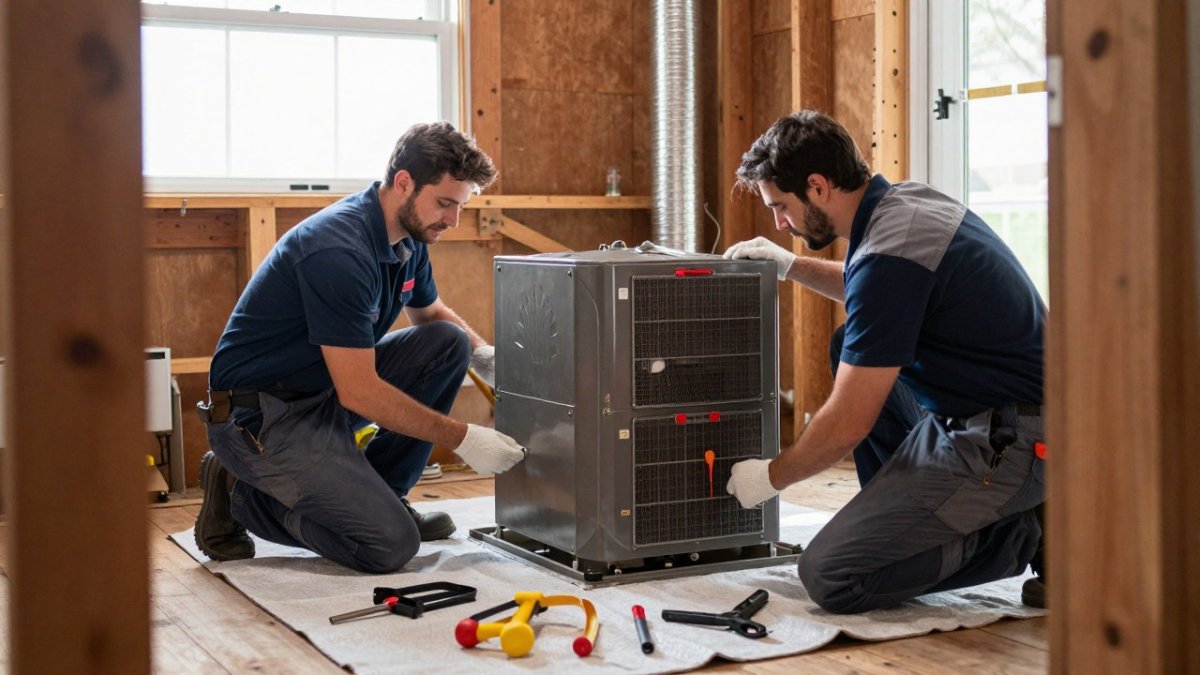
- Removal: The old equipment is disconnected and taken out safely.
- Installation: The new unit is connected to fuel lines, electrical service, and ductwork.
- Testing: The system is started, checked, and adjusted.
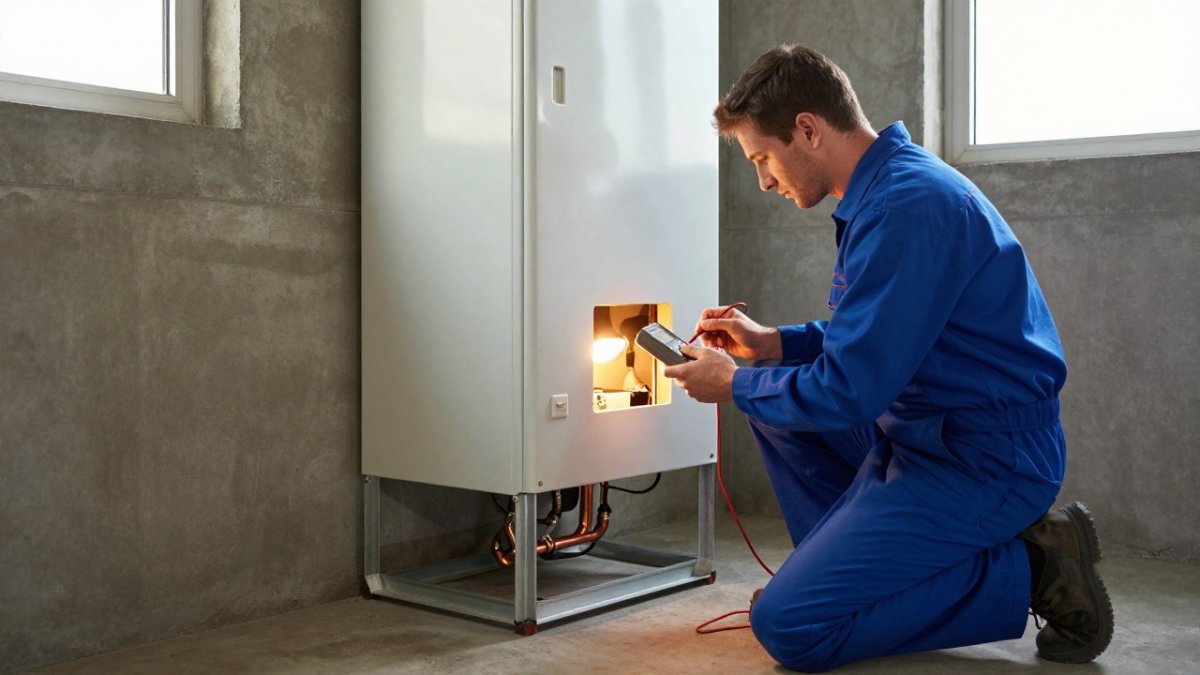
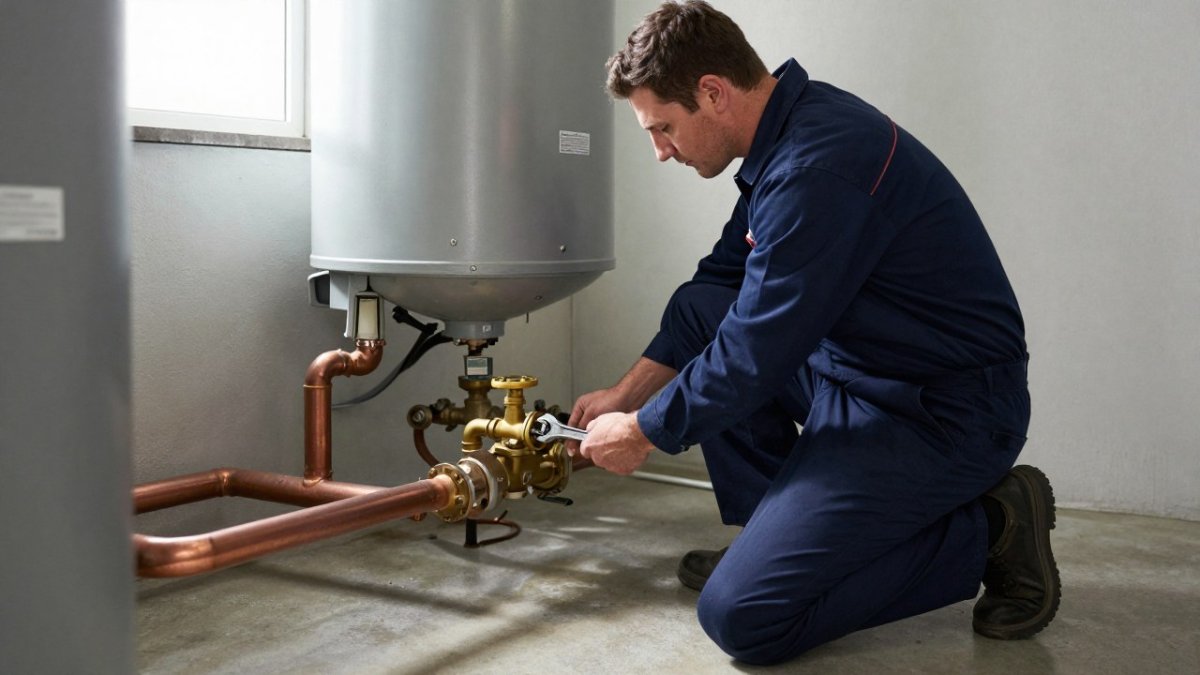
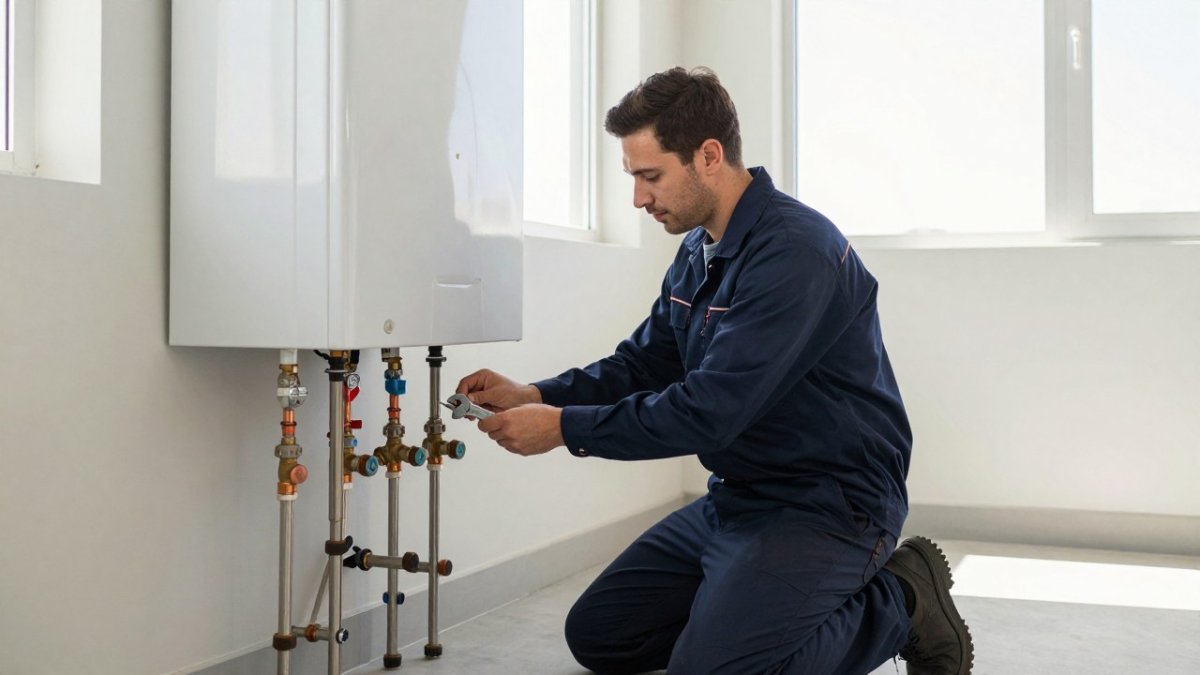
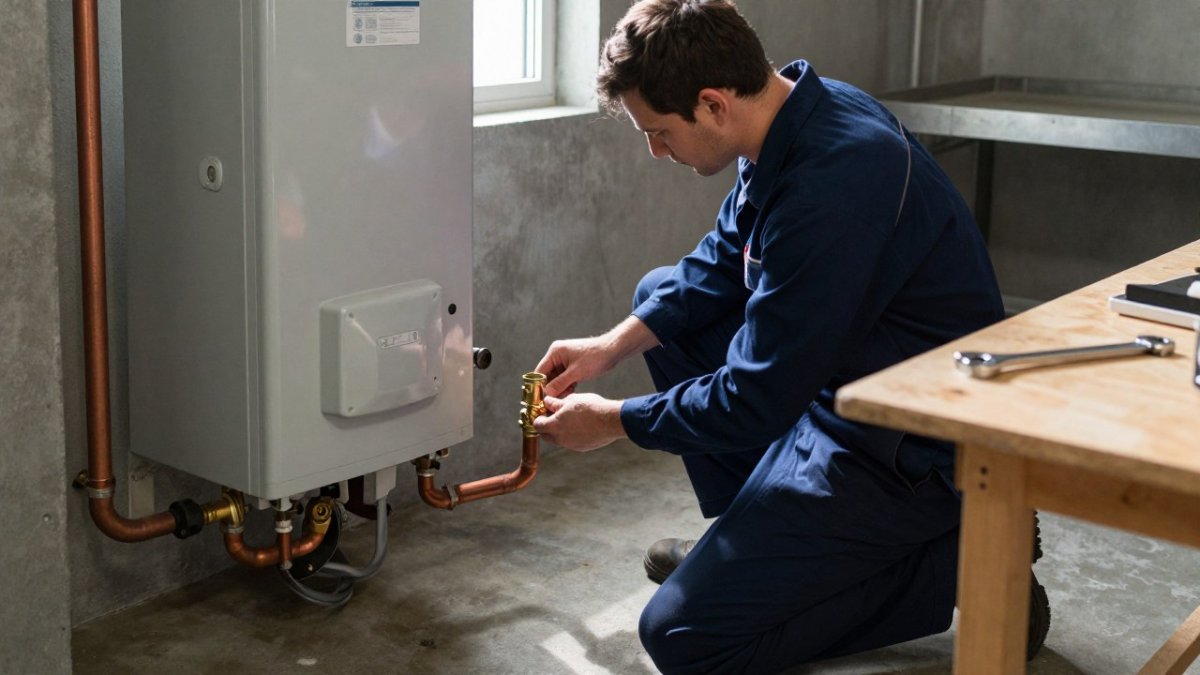
!Two HVAC technicians installing a new furnace in a residential basement
Testing confirms the system is working as intended before the crew leaves.
Planning Your Replacement Around the HVAC Replacement Cost and Your Schedule
Cost and timing are linked. Pricing depends on the specifics of each home, so Tornado HVAC provides a written recommendation after assessment. Ask early so you can schedule around household needs.
Tornado HVAC serves Bergen, Essex, Morris, Passaic, and Union counties from Clifton, NJ. Contact us to schedule service.
Frequently Asked Questions
How long does it take to replace a heating system?
Timing depends on the type of equipment and the scope of the job. Timing depends on the equipment type, the condition of existing ductwork and fuel lines, the removal of the old unit, and any electrical or venting upgrades. Ask your provider for a written schedule that lists each phase, including startup and testing, so you know what to expect before the crew arrives.
When should I replace my HVAC system instead of repairing it?
Consider replacement when the system is near the end of its typical lifespan, needs frequent repairs, or shows rising energy bills without a clear cause. A professional assessment compares repair costs against the age and performance of the current equipment. Tornado HVAC provides written recommendations so you can weigh the options before deciding. Contact the company to schedule a diagnostic visit for your home.
Can a heating system be replaced in one day?
Timing depends on the equipment and the condition of the home. Your provider can tell you what to expect for your system. Delays can also come from permit scheduling or inspection timing. Ask your provider which factors apply to your home so the timeline is realistic.