 ultimate-guide
Annual HVAC Maintenance Plans: Benefits Worth Knowing
Table of Contents
- What Annual HVAC Maintenance Plans Actually Do
- How Often to Service HVAC Systems for Peak Performance
- Energy Efficiency Gains and Lower Utility Costs
- Extending System Lifespan Through Preventative Maintenance
- Cost of HVAC Repair vs. Maintenance: The Real Numbers
- HVAC Maintenance Checklist: What Professionals Include
- Peace of Mind and Priority Service Perks
- Conclusion
- Frequently Asked Questions
Last Updated: September 19, 2026
What Annual HVAC Maintenance Plans Actually Do
An annual HVAC maintenance plan is a service agreement where a professional technician inspects and adjusts your heating and cooling system on a scheduled basis, typically once or twice per year, to keep it running efficiently and catch problems before they become emergencies.
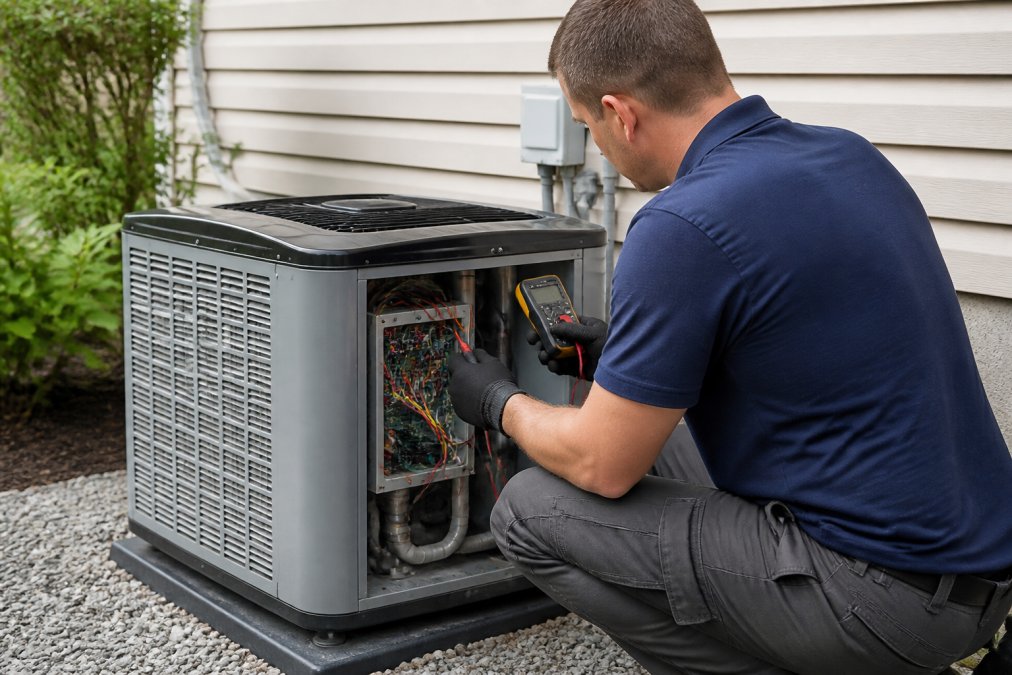
The plan typically includes a thorough inspection of all HVAC components, air filter replacement, refrigerant level checks, thermostat calibration, and condenser coil cleaning. The technician documents findings in writing and recommends any repairs or upgrades needed.
You're not just fixing what's broken; you're monitoring system health continuously. Many homeowners discover minor issues during routine inspections that, if ignored, would have triggered a complete system failure months later.
How Often to Service HVAC Systems for Peak Performance
Most systems benefit from at least one professional tune-up per year, though many experts recommend two: one before heating season and one before cooling season.
A spring tune-up prepares your air conditioning system for heavy summer use. A fall tune-up gets your furnace or heat pump ready for winter. Both seasonal visits catch wear and tear specific to each season's stress on your equipment.
Between professional visits, check and replace air filters every 1-3 months and keep outdoor condenser units clear of debris, leaves, and vegetation.
Energy Efficiency Gains and Lower Utility Costs
A well-maintained HVAC system operates at peak efficiency, using less energy to heat or cool your home. Over time, dirt accumulates on coils, refrigerant levels drop, and moving parts wear, forcing your system to work harder.
During a maintenance visit, the technician cleans condenser coils, checks refrigerant levels, lubricates the blower motor, and verifies thermostat accuracy, reducing energy consumption.
A system running at 95% efficiency versus one operating at 80% efficiency uses noticeably less electricity or gas, lowering monthly utility costs.
Extending System Lifespan Through Preventative Maintenance
HVAC systems typically last 15-20 years with proper care, but neglected systems often fail by year 10-12. Regular inspections catch wear early and allow you to replace inexpensive components before they damage costlier parts.
How Maintenance Prevents Cascading Failures If a maintenance visit catches low refrigerant levels early, a technician can recharge the system and prevent the compressor from overworking and burning out, extending your system's life by years.
A worn blower motor bearing caught during inspection can be lubricated or replaced before it seizes, preventing cascading failures. A maintained system operates smoothly with even wear distribution instead of compensating by working harder.
Manufacturer Warranty Requirements and Documentation Most HVAC manufacturers require annual professional service to keep warranties valid. Manufacturers typically require:
- Written proof of service. You must retain documentation from each maintenance visit, including the date, technician name, and specific tasks performed. A receipt alone is often insufficient; manufacturers want detailed service records.
- Specific maintenance tasks. Warranties often specify which tasks must be completed. Common requirements include refrigerant level checks, coil cleaning, filter replacement, and electrical connection inspection. Skipping any of these tasks can void coverage.
- Timely service intervals. Most warranties require service within 12 months of the previous visit. Missing a scheduled maintenance window, even by a few months, can invalidate warranty claims.
- Service by a licensed professional. DIY maintenance or service by an unlicensed technician typically does not satisfy warranty requirements. The work must be performed by a licensed HVAC contractor.
If your system fails during the warranty period and you cannot produce maintenance records showing compliance, the manufacturer can deny your claim, leaving you responsible for the full repair cost.
What to Look for in Service Documentation When a technician completes a maintenance visit, request a written report that includes:
- Date of service and technician identification
- Specific components inspected (compressor, condenser coil, evaporator coil, blower motor, thermostat, electrical connections, refrigerant levels)
- Tasks performed (filter replacement, coil cleaning, lubrication, calibration)
- Any issues found and recommendations for repair or replacement
- System performance test results (airflow measurements, temperature differentials, cycling behavior)
- Technician signature and company contact information
Extended Lifespan Equals Lower Total Cost of Ownership A well-maintained system lasting 18-20 years spreads the cost of ownership across more years and gives you time to plan for replacement. A neglected system that fails at year 12 forces an emergency replacement with no time to save or compare options.
Cost of HVAC Repair vs. Maintenance: The Real Numbers
Understanding the financial trade-off between maintenance and repair is essential. The math becomes clear when you break down the actual costs homeowners face.
Typical Maintenance Plan Cost A single annual maintenance visit typically ranges from $150-$300 depending on system complexity and your location. Some homeowners opt for two visits per year (spring and fall), bringing annual maintenance to $300-$600. This is a predictable, budgeted expense.
Emergency Repair Costs An emergency service call, especially outside business hours or on weekends, includes premium pricing. A simple repair like a refrigerant recharge might cost $300-$500. A failed capacitor or contactor replacement runs $400-$800. A compressor failure, one of the most expensive repairs, can cost $1,500-$3,500 or more, depending on your system type and age.
A single emergency repair often equals 3-10 years of maintenance plan costs. If your system requires multiple repairs in a season, the total quickly exceeds what you would have spent on preventative care over a decade.
The Hidden Cost of Inefficiency A poorly maintained system wastes energy every month. Research from the Department of Energy indicates that a neglected HVAC system can operate at 10-15% lower efficiency than a well-maintained one.
- Estimate your annual HVAC energy cost. Check your utility bills for the past 12 months and add up heating and cooling expenses.
- Apply the efficiency loss factor. If your system is over 10 years old or has not been serviced in 2+ years, assume 10-15% inefficiency. Multiply your annual HVAC cost by 0.10 or 0.15.
- Add the emergency repair risk. Estimate the probability of a major repair in the next year. If your system is 12+ years old, assume a 20-30% chance. Multiply the average repair cost ($1,500) by that probability.
- Compare to maintenance cost. If the sum of wasted energy costs plus emergency repair risk exceeds your annual maintenance plan cost, the plan pays for itself.
Example Calculation
- Annual HVAC energy cost: $1,200
- Efficiency loss (12% on a 13-year-old system): $144
- Emergency repair risk (25% chance of $1,500 repair): $375
- Total annual risk: $519
- Maintenance plan cost: $300
- Net benefit: $219 in the first year alone
HVAC Maintenance Checklist: What Professionals Include
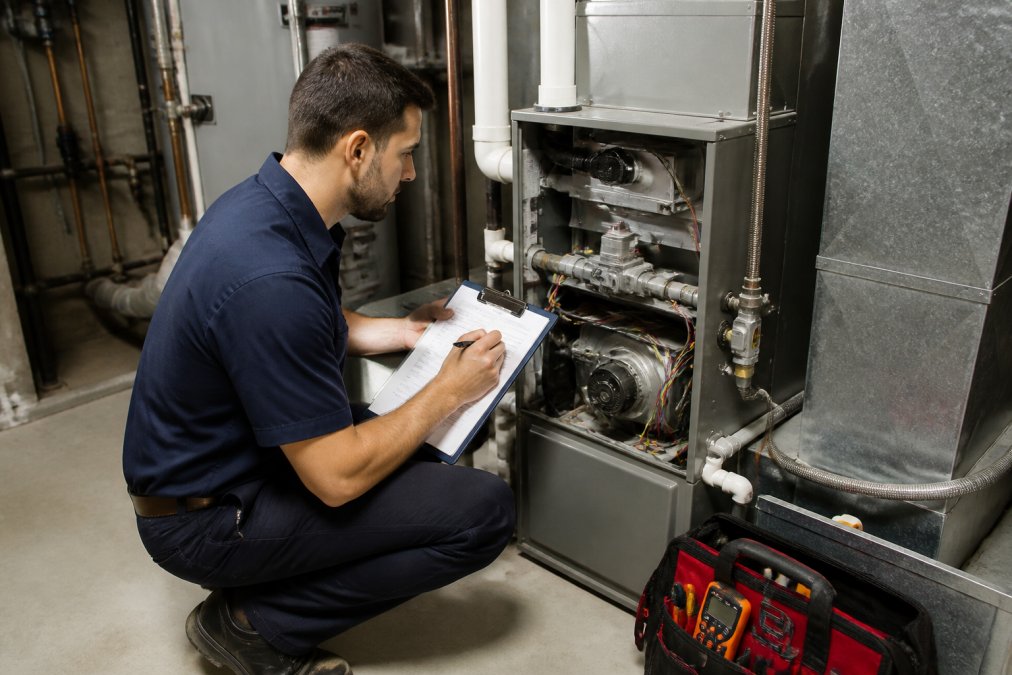
A comprehensive tune-up includes a detailed inspection and several hands-on tasks. Here's what a professional visit typically covers:
Visual Inspection & Diagnostics
- Examine all accessible ductwork for leaks, disconnections, or visible damage
- Check electrical connections and wiring for corrosion or loose terminals
- Inspect the thermostat for accurate temperature sensing and proper calibration
- Test all safety controls and shutoff mechanisms
Mechanical Service
- Replace or clean the air filter (or provide a new one if yours is disposable)
- Clean condenser coils on outdoor units to remove dirt, leaves, and debris
- Check refrigerant levels and top up if needed
- Lubricate moving parts: blower motor bearings, fan motors, and mechanical linkages
System Testing
- Run the system through heating and cooling cycles to verify proper operation
- Measure airflow at supply vents to ensure adequate distribution
- Check that the system cycles on and off correctly
- Verify that all components respond to thermostat commands
Documentation & Recommendations
- Provide a written report of findings, including photos if issues are found
- Recommend repairs or component replacements with clear explanations
- Discuss any efficiency improvements or upgrades that might benefit your system
Peace of Mind and Priority Service Perks
Beyond the technical benefits, a maintenance plan provides emotional and practical advantages. Knowing your system has been professionally inspected and is operating at peak efficiency removes the anxiety of wondering whether it will fail during the worst possible time.
Conclusion
Annual HVAC maintenance plans address one of homeownership's biggest vulnerabilities: an unexpected system failure during the season when you need it most. By investing in preventative care, you extend your equipment's lifespan, reduce energy consumption, avoid costly emergency repairs, and gain the confidence that your system is operating safely and efficiently.
Frequently Asked Questions
Is yearly HVAC maintenance really worth it?
Yes. Annual maintenance prevents 80% of system breakdowns, keeps your manufacturer warranty valid, and typically saves more in avoided emergency repairs than the maintenance plan costs. A well-maintained system also runs 15% more efficiently, reducing energy bills. Most homeowners see the investment pay for itself within the first year through lower utility costs and avoided emergency call-outs.
What's included in a professional HVAC tune-up?
A standard tune-up includes inspection of all major components, air filter replacement, thermostat calibration, refrigerant level checks, condenser coil cleaning, blower motor inspection, and electrical connection verification. The technician will identify any worn parts, test system performance, and provide a written report with recommendations. This preventative maintenance catches small issues before they become costly failures.
How much can I save with an annual maintenance plan versus paying for repairs as they happen?
Emergency repairs typically cost 2-3 times more than scheduled maintenance visits because they require after-hours dispatch, diagnostic fees, and often expedited parts ordering. A maintenance plan spreads costs predictably throughout the year and prevents the majority of emergency situations. Over a system's 15-20 year lifespan, planned maintenance saves thousands in repair bills and extends equipment life significantly.
How often should I schedule HVAC maintenance for optimal performance?
Most manufacturers recommend twice-yearly service: a spring tune-up before cooling season and a fall inspection before heating season. This schedule catches seasonal wear, ensures peak efficiency when you need it most, and identifies developing problems early. Homes in areas with extreme temperature swings or older systems may benefit from additional mid-season checks.