 ultimate-guide
A Homeowner's Guide to Indoor Air Quality and Energy Efficiency
Last Updated: October 31, 2026
Quick Summary
Improving indoor air quality alongside energy efficiency means pairing filtration and ventilation with air sealing and insulation, since tight homes can trap dust, humidity, and volatile organic compounds. An indoor air quality assessment measures filtration condition, humidity, ventilation rates, and ductwork integrity, then connects findings to your heating and cooling equipment.
- Air sealing and insulation that cut heating bills can also trap pollutants indoors.
- A heat recovery ventilator transfers warmth from outgoing to incoming air for fresh air without reheating.
- Oversizing a filter without checking static pressure can choke airflow and hurt efficiency.
- Skipping tune-ups lets dust load the coil and blower, reducing airflow and raising energy use.
- Tornado HVAC serves Bergen, Essex, Morris, Passaic, and Union counties.
Table of Contents
- Why Indoor Air Quality and Energy Efficiency Go Together
- What an Indoor Air Quality Assessment Reveals
- Energy-Efficient Ventilation Without the Heat Loss
- HVAC Maintenance for Indoor Air Quality in Clifton
- Frequently Asked Questions
Why Indoor Air Quality and Energy Efficiency Go Together
Air sealing and insulation that cut heating bills can also trap pollutants indoors, so tight homes can hold dust, humidity, and volatile organic compounds. Pairing filtration and ventilation with efficiency work is one way to address this without losing heat.
For local guidance, see how to maintain indoor air quality in Clifton homes, or review indoor air quality services and systems in North NJ.
What an Indoor Air Quality Assessment Reveals
An indoor air quality assessment is a diagnostic walkthrough that measures filtration condition, humidity, ventilation rates, and ductwork integrity, then connects findings to your heating and cooling equipment.
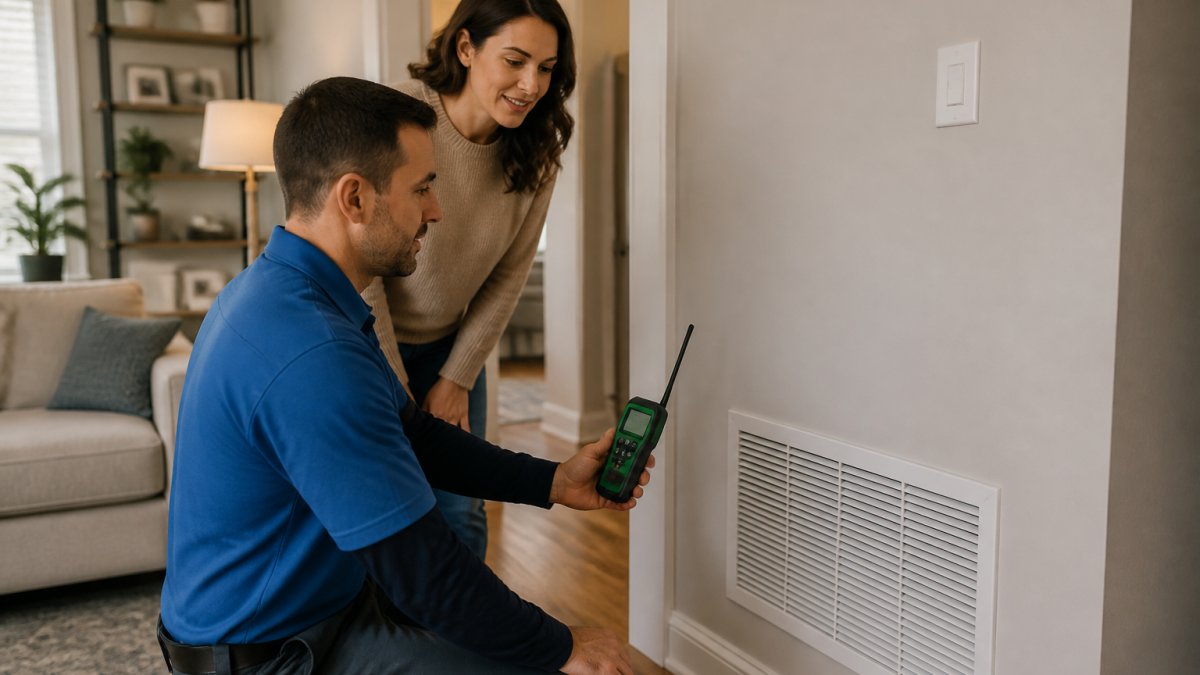
Buying a standalone purifier before checking filtration and airflow may not address the underlying issue, which can sit in the return path or the equipment itself. Contact Tornado HVAC to discuss your options.
Energy-Efficient Ventilation Without the Heat Loss
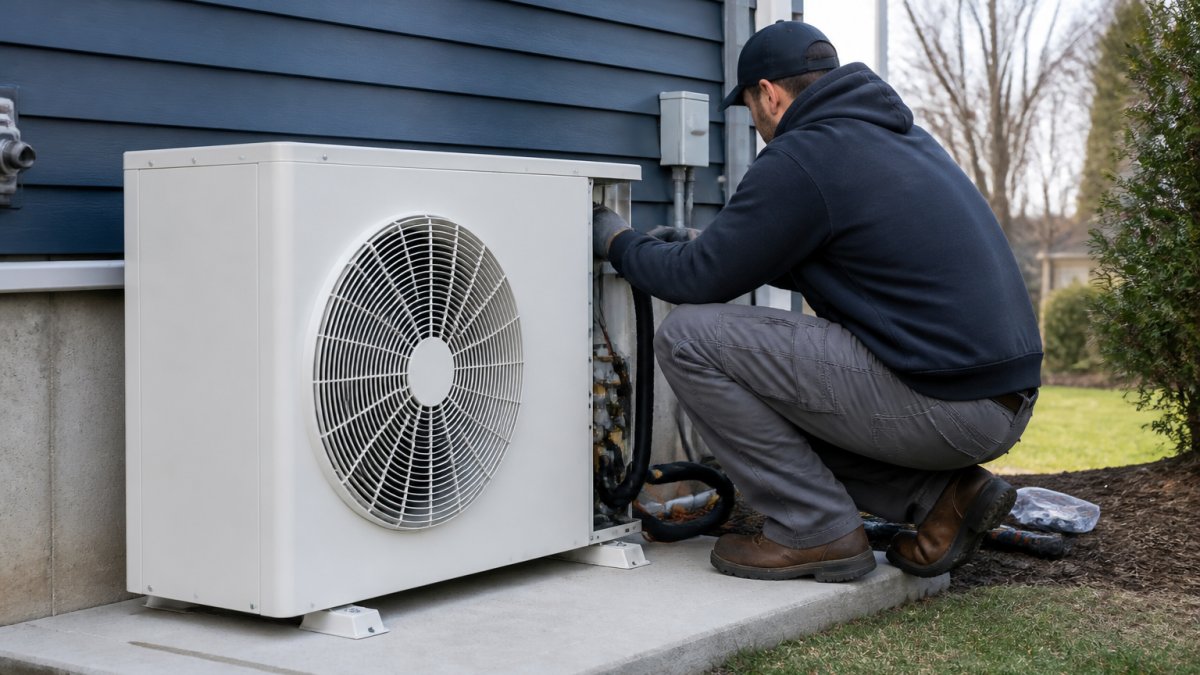
A heat recovery ventilator transfers warmth from outgoing to incoming air, so you get fresh air without paying to reheat it (HVAC Energy Recovery Ventilation). Heat pumps generally perform best when airflow and filtration match the system; clogged filters and undersized returns can force them to work harder.
Oversizing a filter without checking static pressure can choke airflow and hurt efficiency and equipment life. Match the MERV rating to your system with how to choose the right MERV rating for your home, and review air filtration services in North NJ.
| Situation | What It Signals | Practical Move |
|---|---|---|
| Tight, well-sealed home | Pollutants trapped indoors | Add balanced ventilation |
| Dusty returns, weak airflow | Restricted filtration | Check filter and return sizing |
| Heat pump running long cycles | Airflow or charge issue | Professional diagnostic |
HVAC Maintenance for Indoor Air Quality in Clifton
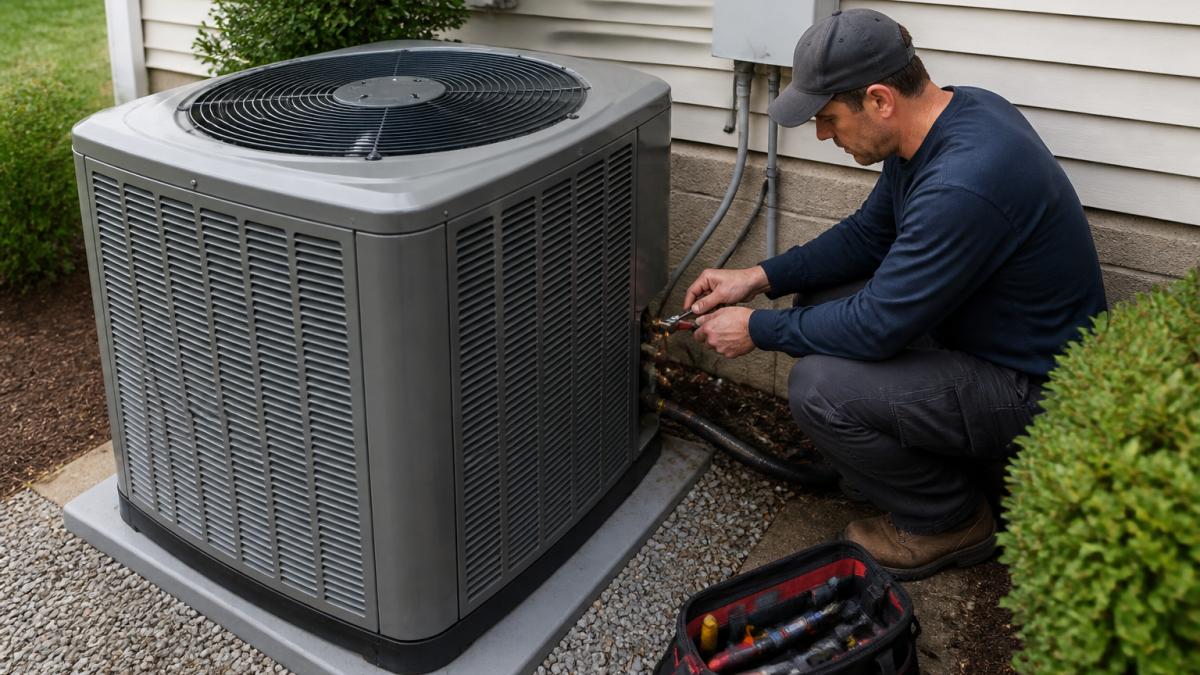
HVAC maintenance for indoor air quality keeps filters, coils, blower components, and ductwork clean and correctly set; skipping tune-ups lets dust load the coil and blower, reducing airflow and raising energy use.
For homeowners in Clifton, seasonal service is one way to support comfort and air quality. Tornado HVAC handles diagnostics, repairs, replacements, boilers, furnaces, heat pumps, central air, and ductwork, providing clear written recommendations and serving Bergen, Essex, Morris, Passaic, and Union counties.
Frequently Asked Questions
How can you improve indoor air quality without wasting energy?
Start with an indoor air quality assessment so you fix the actual source instead of guessing. Sealing gaps around windows and doors, upgrading to a correctly sized MERV filter, and running ventilation only when needed all improve air without adding load. Pair those steps with regular HVAC maintenance for indoor air quality so coils, blowers, and filters stay clean. A technician can measure airflow and confirm your system is moving the right amount of air for its size.
What does an indoor air quality assessment include?
An assessment typically covers airflow measurement, filter and ventilation review, moisture and humidity checks, and a look at how the HVAC system distributes air through the home. The technician notes sources of pollutants and any equipment that is undersized or short-cycling. You should receive written findings and recommended steps, from filter changes to ventilation adjustments or equipment upgrades. Ask for the results in writing so you can compare options before committing.
Can a heat pump improve indoor air quality and energy efficiency?
A heat pump moves heat rather than burning fuel, so it can lower energy use while still filtering and circulating air. Heat pump efficiency depends on correct sizing, clean filters, and a duct system that delivers air evenly. When paired with energy-efficient ventilation and routine maintenance, a heat pump supports both comfort and cleaner air. Ask your contractor to review insulation and duct condition before sizing a replacement so the system performs as intended.
Tight homes save energy but can quietly trade away air quality, and balancing the two takes a real diagnostic rather than a guess. Tornado HVAC provides 24/7 emergency service, seasonal maintenance and tune-ups, indoor air quality solutions, and heat-pump and central-air installation across North Jersey. Get started with Tornado HVAC and schedule service to find out what your home's air is really doing.