 how-to
7 Steps to Choose the Right MERV Rating for Your Home
Last Updated: October 31, 2026
Quick Summary
The right MERV rating for your home is the highest one your HVAC system can handle without restricting airflow. A MERV rating runs from 1 to 16 and shows how well a filter catches particles, so start with your furnace or air handler manual's recommended range. Then match the rating to your main concern, such as allergies or pets.
- Check your furnace or air handler manual for the recommended MERV range first.
- Higher MERV ratings catch smaller particles but can strain your blower motor.
- Common residential filters fall between MERV 8 and MERV 13.
- Identify your main air quality concern, such as allergies, pets, or general dust.
- Check your filter every 30 to 90 days and sooner with pets or allergies.
Table of Contents
- What MERV Ratings Measure and Why They Matter
- MERV 8 vs MERV 11 vs MERV 13: Filtration and Airflow Compared
- Choosing the Best MERV Rating for Your Home HVAC System
- Frequently Asked Questions
What MERV Ratings Measure and Why They Matter
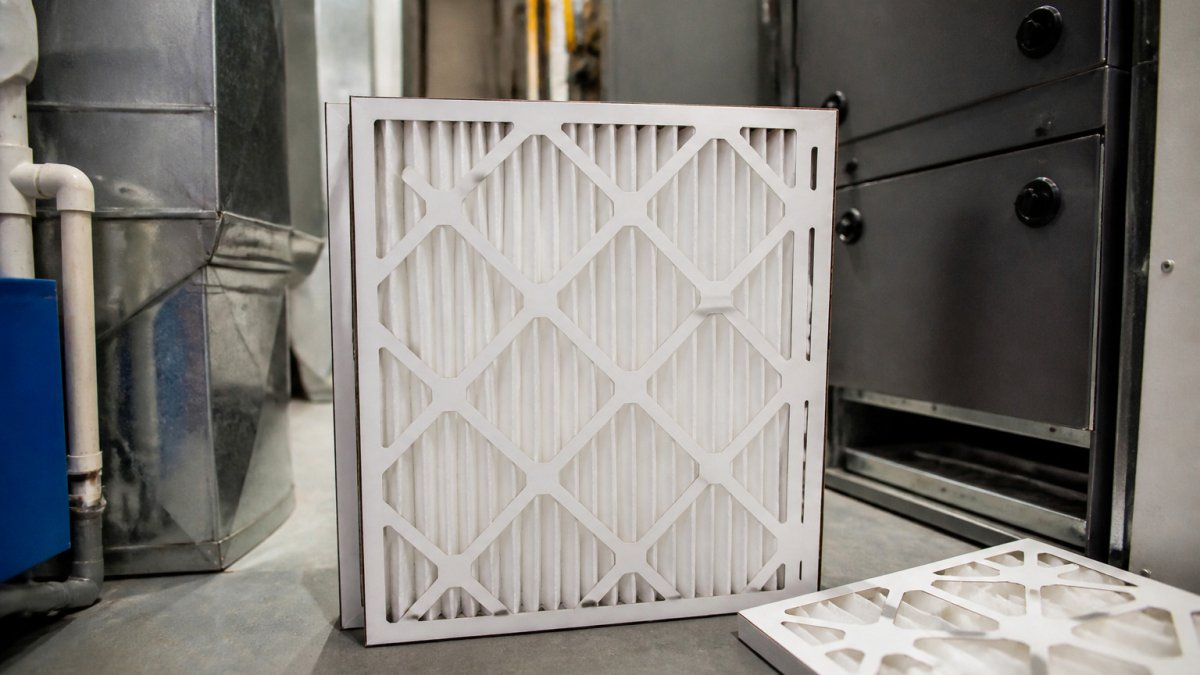
A MERV rating is a number from 1 to 16 showing how well an air filter catches particles. The higher the number, the smaller the particles it traps.
Higher is not always better: too restrictive a filter can strain your blower motor and reduce airflow.
What the rating tells you:
- Lower MERV (1-4): Large dust and lint
- Mid MERV (5-8): Pollen, mold spores, dust mites
- Higher MERV (9-16): Fine particles like smoke and some bacteria
Common residential filters fall in the MERV 8 to MERV 13 range. Know what your system can handle.
MERV 8 vs MERV 11 vs MERV 13: Filtration and Airflow Compared
Each step up in MERV captures more particles but can reduce airflow. Compare the three most common options:
| MERV Rating | Particles Captured | Airflow Impact | Best For |
|---|---|---|---|
| MERV 8 | Pollen, mold spores, dust mites | Minimal | Most standard systems |
| MERV 11 | Finer dust, pet dander | Moderate | Allergy sufferers |
| MERV 13 | Smoke, some bacteria | Higher resistance | Homes with strong filtration needs |
Check your system's specifications before upgrading, since higher-rated filters add airflow resistance that not every system is built to handle. Our guide to balancing airflow in a multi-story home shows how airflow is handled across floors.
Choosing the Best MERV Rating for Your Home HVAC System
The best MERV rating for home HVAC use is the highest one your system can handle without restricting airflow, starting with manufacturer guidelines and your household's needs.
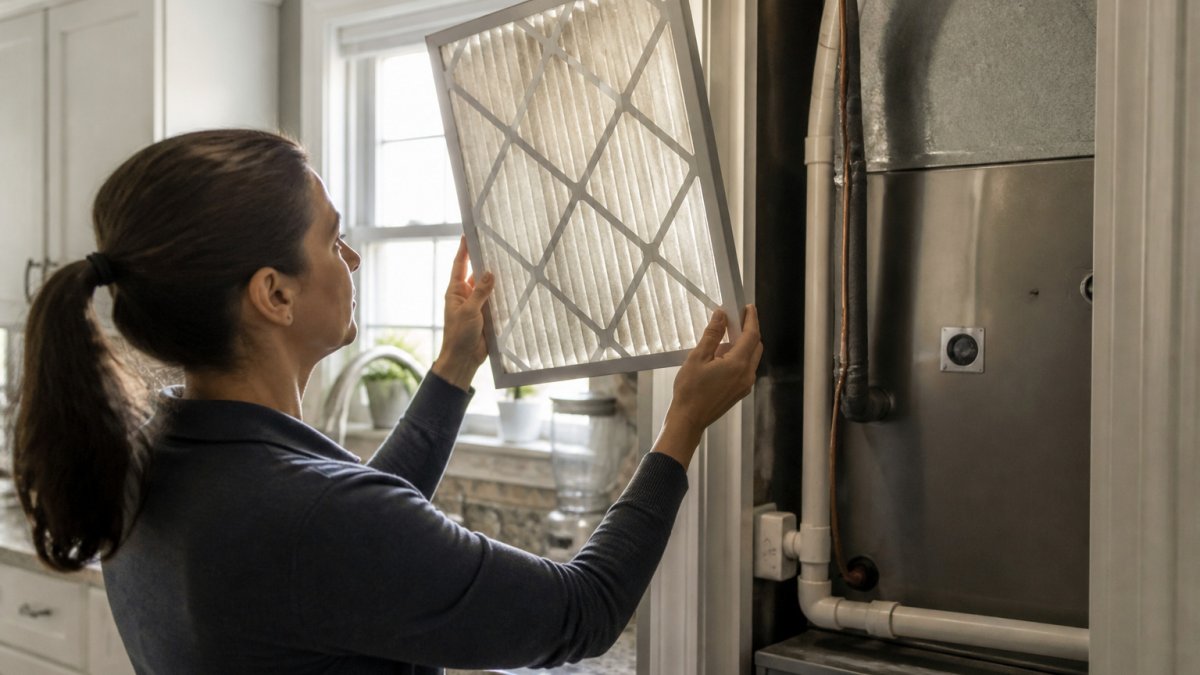
- Check your furnace or air handler manual for the recommended MERV range
- Identify your main air quality concern (allergies, pets, or general dust)
- Match the rating to that concern and your system's limits
- Replace the filter on schedule, since clogged filters lower performance
For a deeper look, see our how to improve home air quality guide and indoor air quality maintenance options. For details on our equipment, see our indoor air quality service and systems page.
Most experts recommend checking your filter every 30 to 90 days. Replace it sooner if you have pets or allergies. ASHRAE standards for air filtration
Frequently Asked Questions
What MERV rating is best for a home HVAC system?
For most homes, a MERV 8 to MERV 11 filter is a practical range. It captures common household dust, pollen and pet dander without placing excessive strain on the blower. Check your furnace or air handler manual first, since it lists the maximum filter rating the system can handle. Higher MERV ratings only make sense when your equipment is designed for them and the filter fits the housing properly.
Can a MERV 13 filter restrict airflow in my HVAC system?
Yes, a MERV 13 filter has denser media, which creates more resistance to airflow than a MERV 8 or MERV 11 filter. Many residential systems were not designed for that added resistance, so the blower can work harder, run longer and lose efficiency. If you want stronger filtration, ask a technician to measure static pressure before switching.
How often should I replace my HVAC air filter?
Most pleated filters should be replaced every 90 days, though homes with pets, smokers or high dust levels may need changes every 30 to 60 days. Higher-MERV filters can clog faster, so check them monthly. A dirty filter restricts airflow whatever its rating, so the replacement schedule matters as much as the MERV number itself.
Tornado HVAC can check your system and recommend a filter that balances air quality with airflow. Call us to schedule service for your home in Clifton and the surrounding North Jersey area.