 how-to
Are High Efficiency Heat Pumps Worth the Upgrade?
Last Updated: October 24, 2026
Quick Summary
A high efficiency heat pump upgrade delivers one system for heating and cooling, steadier temperatures, better humidity control, and lower fossil fuel use, but only when sized and installed correctly. Higher HSPF2 and SEER2 ratings mean lower running costs, though you pay more upfront.
- A heat pump replaces a furnace and air conditioner with one outdoor unit that heats and cools.
- Ask for the load calculation in writing; a rule of thumb is not a load calculation.
- A straightforward replacement takes one to two days, longer if ductwork changes are needed.
- A heat pump needs two tune-ups a year, one for heating and one for cooling.
- Most heat pumps last 12 to 15 years with regular maintenance.
Table of Contents
- What a High Efficiency Heat Pump Upgrade Actually Delivers
- Understanding Heat Pump Efficiency Ratings
- Heat Pump vs. Furnace and Air Conditioner: What Changes
- Heat Pump Sizing for Homes
- The Heat Pump Installation Process, Step by Step
- What a High Efficiency Heat Pump Upgrade Actually Delivers in Savings and Comfort
- Maintaining a Heat Pump for the Long Haul
- Why Local Matters for a Heat Pump Upgrade
- Frequently Asked Questions
What a High Efficiency Heat Pump Upgrade Actually Delivers
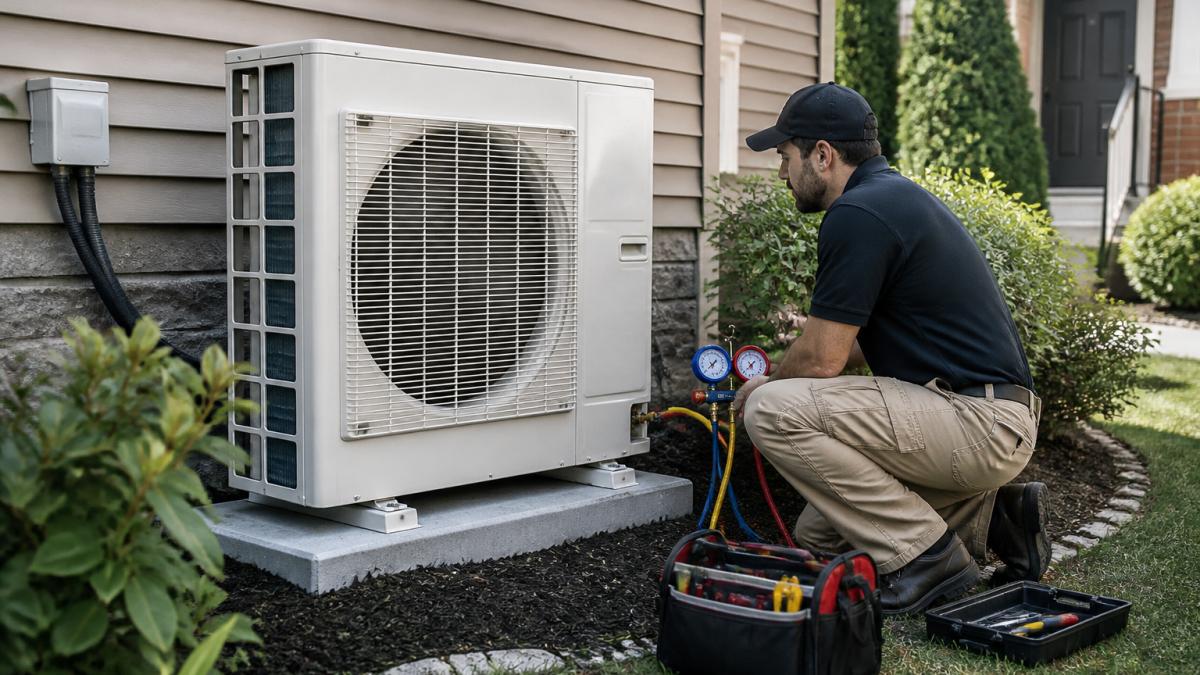
A high efficiency heat pump moves heat instead of burning fuel, heating your Clifton home in January and cooling it in July. Tornado HVAC installs and services these systems across North Jersey.
An upgrade delivers one system for heating and cooling, steadier temperatures, better humidity control, and lower fossil fuel use, but only when sized and installed correctly.
Understanding Heat Pump Efficiency Ratings
HSPF2 measures seasonal heating and SEER2 measures cooling; higher numbers mean lower running costs but a higher purchase price.
Department of Energy minimums have risen, so replacing an older system likely moves you up regardless.
Choose cold-climate models: standard heat pumps lose capacity as temperatures drop, while cold-climate units hold output and suit New Jersey winters (Residential Cold Climate Heat Pump Challenge).
To compare makes and models, see our guide to the best heat pump brands for residential use.
Here are the key efficiency terms and rules of thumb the article explains.
| Item | Value | Note |
|---|---|---|
| HSPF2 | Seasonal heating measure | Higher numbers mean lower running costs |
| SEER2 | Cooling measure | Higher numbers mean lower running costs |
| Purchase price | Higher with higher ratings | Higher efficiency costs more upfront |
| DOE minimums | Have risen | Replacing an older system likely moves you up |
| Cold-climate models | Hold output as temperatures drop | Suit New Jersey winters |
| Standard heat pumps | Lose capacity as temperatures drop | Less suited to cold winters |
Heat Pump vs. Furnace and Air Conditioner: What Changes
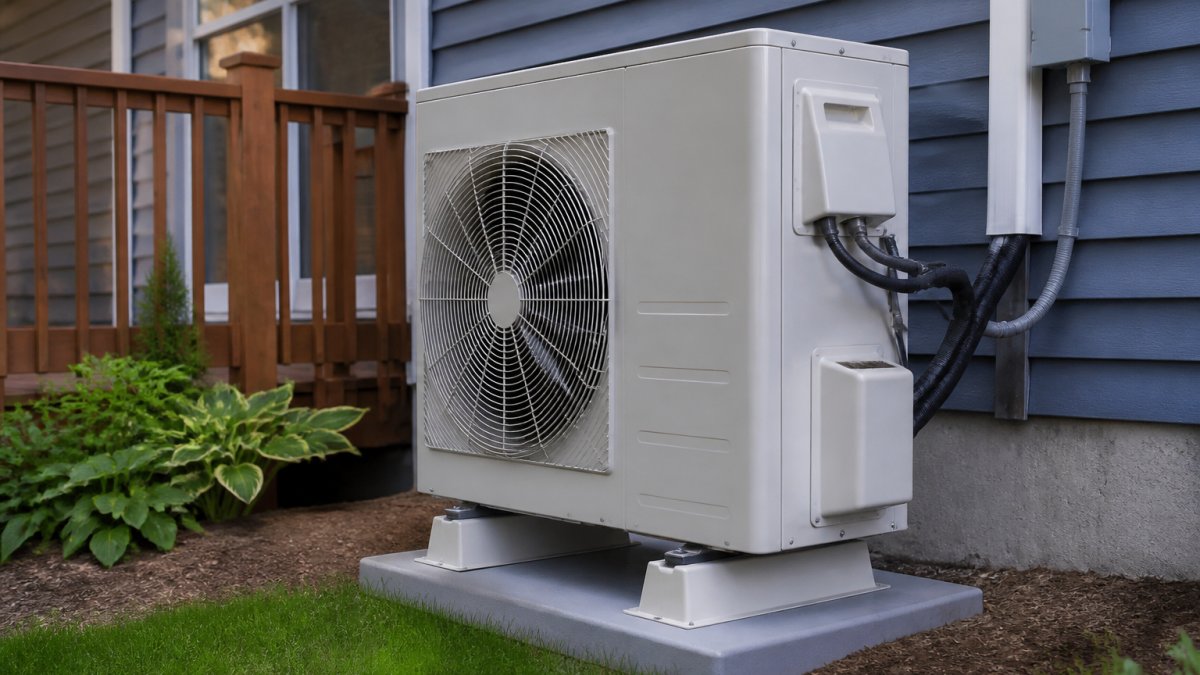
A heat pump replaces two pieces of equipment with one, reversing refrigerant flow from a single outdoor unit to both heat and cool.
You get one unit, one maintenance schedule, gentler heating, and ductwork that matters more because a heat pump moves more air. Many North Jersey homes keep a furnace as backup, a dual-fuel system, and our team can give you a written recommendation on both paths.
Review our furnace services and air conditioning services to see how each option fits.
Heat Pump Sizing for Homes
Correct sizing separates a heat pump that hums along from one that short-cycles and wears out early (HVAC - Cold Climate Heat Pump Sizing). Contractors use a load calculation covering square footage, insulation, windows, air leakage, and climate, a rule of thumb is not a load calculation.
Oversized units cool too fast and leave a clammy house; undersized units never keep up on the coldest days. Ask for the load calculation in writing and have ductwork checked before quoting.
The Heat Pump Installation Process, Step by Step
A straightforward replacement takes one to two days, longer if ductwork changes are needed. The crew runs a load calculation, selects equipment, installs indoor and outdoor units, commissions the system, and walks you through the thermostat and maintenance schedule. A system not charged correctly will never reach its rated efficiency.
What a High Efficiency Heat Pump Upgrade Actually Delivers in Savings and Comfort
Long-term value comes from lower running costs, fewer service calls, and steadier comfort. Savings depend on what you replace: moving from electric resistance or a failing furnace delivers a bigger change than upgrading a five-year-old unit.
Federal and state rebates shift over time, so check current program rules before you buy.
Comfort gains are easier to predict than dollar savings: a variable-speed heat pump runs at low output for long stretches, keeping temperatures even and pulling more moisture from summer air.
Visit our heat pump services in North NJ page or read the New Jersey heat pump cost and installation guide for local details.
Maintaining a Heat Pump for the Long Haul
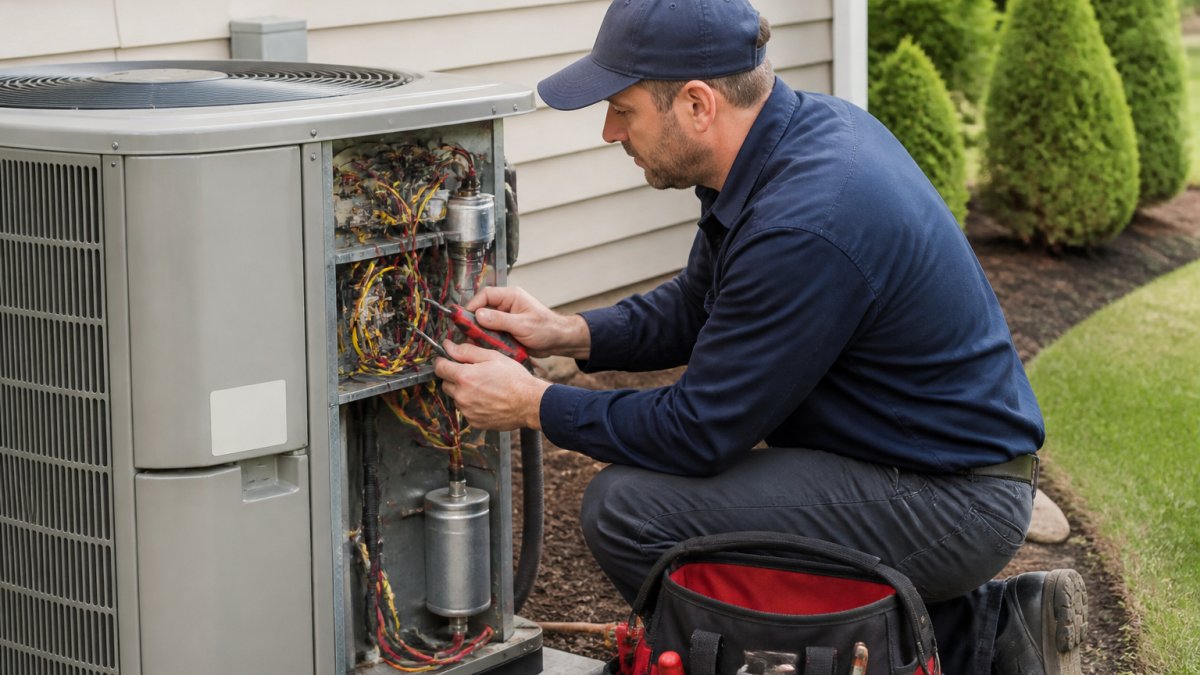
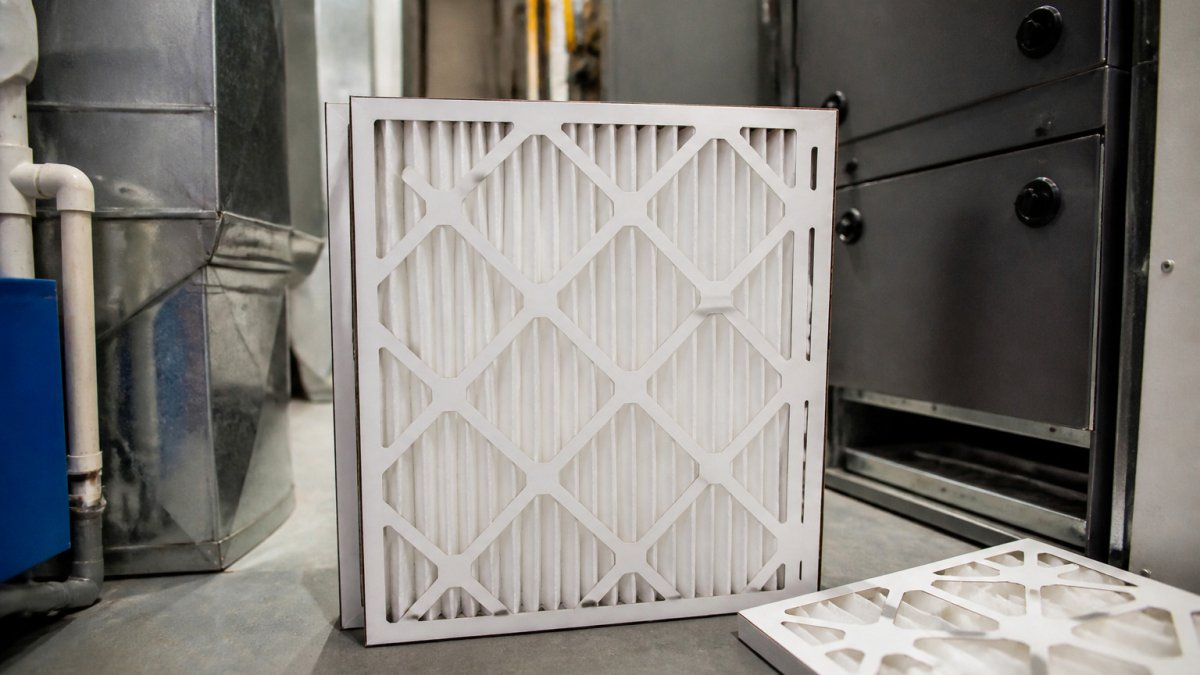
A heat pump needs two tune-ups a year, one for heating and one for cooling. Check filters monthly during heavy use and keep the outdoor unit clear of debris.
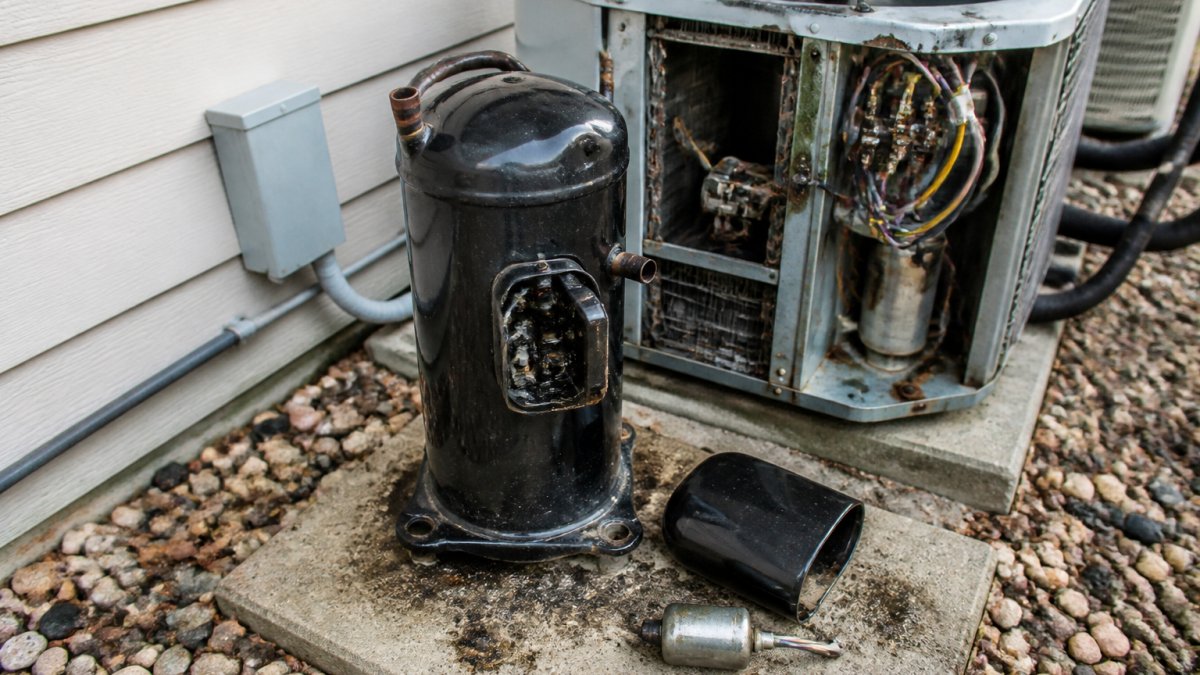
Skipping maintenance because the system "seems fine" is a common mistake: heat pumps lose efficiency gradually, so you rarely notice until a repair bill arrives. A seasonal plan catches small issues before they damage the compressor.
Why Local Matters for a Heat Pump Upgrade
Heat pump performance depends on climate, and climate varies across North Jersey. A local contractor working in Bergen, Essex, Morris, Passaic, and Union counties can size and set up equipment for the conditions your home actually sees.
We are based in Clifton and serve homeowners across the region, including emergency calls at any hour. You get a technician who diagnoses the system, explains options plainly, and gives a written recommendation before work begins.
Frequently Asked Questions
Are heat pumps effective in New Jersey winters?
Yes. Modern cold-climate heat pumps are built to heat at low outdoor temperatures, and manufacturers publish ratings for performance in cold weather. North Jersey winters still bring stretches below freezing, so sizing and a proper assessment of your home's heat loss matter more than in milder climates. A professional load calculation confirms the system can carry your home through January, and a backup heating element or existing furnace can remain as a secondary source if needed.
Can a high efficiency heat pump replace both a furnace and an air conditioner?
In many homes, yes. A heat pump moves heat rather than generating it, so the same equipment heats in winter and cools in summer, which removes the need for a separate central air conditioner. Whether it fully replaces a furnace depends on your home's layout, insulation, and how the existing ductwork is set up. A contractor can confirm during an assessment whether a full replacement or a dual-fuel setup with your furnace as backup fits your property.
How long does a heat pump installation take?
A straightforward replacement of an existing system usually takes one to two days, while a first-time installation or one that requires ductwork changes can run longer. The heat pump installation process includes removing old equipment, setting the indoor and outdoor units, connecting refrigerant lines and electrical work, then testing airflow and charge. Ask for a written scope and timeline before work begins so you know what to expect and when your system will be running.