 how-to
Maintain Indoor Air Quality in Clifton Homes
Table of Contents
- Why Indoor Air Quality Matters in Your Home
- HVAC Air Filter Replacement Frequency and Best Air Filter for Home HVAC System
- Indoor Humidity Control for Homes
- Frequently Asked Questions
Last Updated: October 19, 2026
Why Indoor Air Quality Matters in Your Home
To maintain indoor air quality is essential, poor air affects your health, comfort, and energy bills. Dust, pollen, mold, and pet dander build up daily, and you breathe that air constantly.
Clifton homes face seasonal extremes: winter heating dries the air, summer humidity breeds moisture, and both hurt your HVAC system and your lungs.
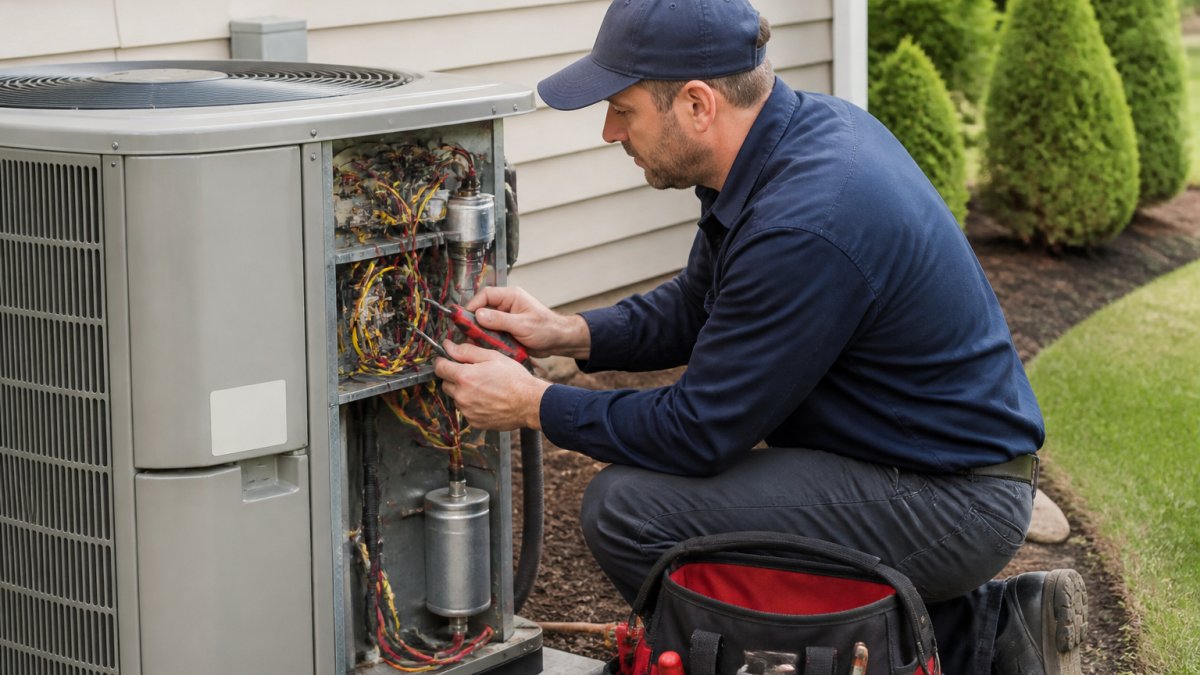
You can maintain indoor air quality with simple steps: regular filter changes, humidity control, and professional maintenance.
HVAC Air Filter Replacement Frequency and Best Air Filter for Home HVAC System
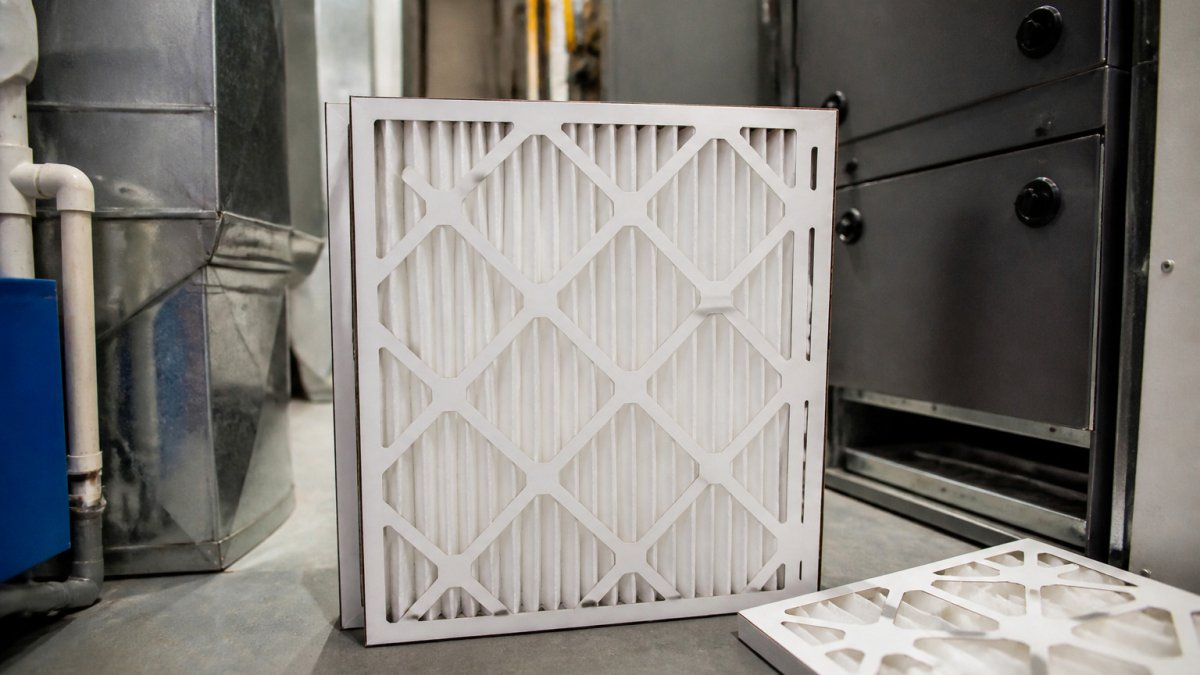
Your air filter is the first line of defense, trapping dust and debris before they circulate and keeping your system efficient.
Check your filter monthly; most need replacement every 1 to 3 months, and more often with pets or allergies.
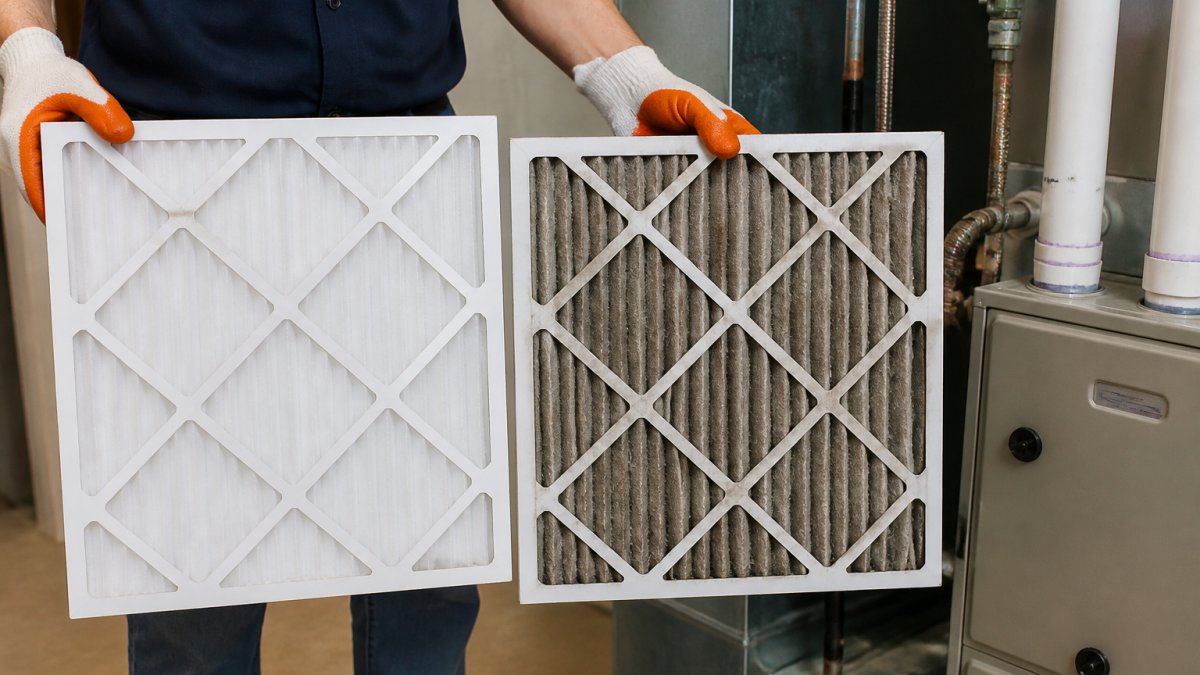
When to replace your filter:
- Visible dirt or dust at the monthly check
- Reduced airflow from vents
- Pets or allergies (replace monthly)
- Dusty area or constant system use (replace more frequently)
The best air filter depends on your needs. Fiberglass filters trap fewer particles; MERV 8-11 filters offer better filtration without restricting airflow, and higher MERV ratings suit allergy or pet households.
Ask your HVAC technician which filter fits your system and help you set a replacement schedule.
Indoor Humidity Control for Homes
Humidity balance is critical: too dry brings static and dry skin, too wet grows mold in corners and crawl spaces.
Ideal indoor humidity is 30 to 50 percent, a range that keeps you comfortable and protects your home.
Simple ways to control humidity:
- Use exhaust fans in bathrooms and kitchens
- Run your HVAC system's dehumidifier mode in summer
- Open windows on cool, dry days to ventilate
- Fix leaks quickly to prevent moisture buildup
- Run a whole-home humidifier in winter if air feels dry
Your HVAC system plays a big role in humidity control. Modern systems can regulate moisture as they heat or cool (Advanced HVAC Humidity Control for Hot-Humid-Climates). If your system is old, it may not handle humidity well.
A professional HVAC inspection reveals whether your system maintains proper humidity. If it doesn't, upgrades like a whole-home humidifier or dehumidifier help. Tornado HVAC offers indoor air quality solutions tailored to Clifton homes, including humidity control equipment that works with your existing system.
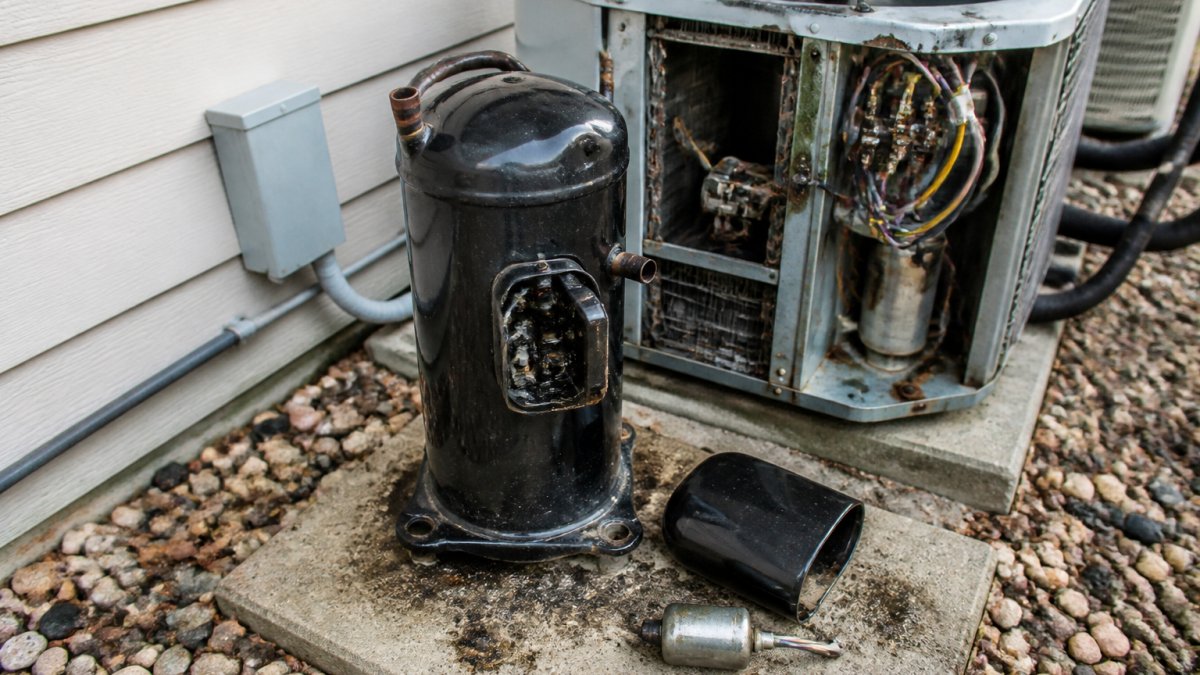
Regular maintenance keeps your system balanced. When your furnace and air conditioner run smoothly, they manage humidity more effectively. Schedule seasonal tune-ups to catch problems before they affect your air quality.
Frequently Asked Questions
How often should I replace my HVAC air filter?
Most standard 1-inch filters need replacement every 1-3 months, depending on household factors like pets, allergies, and air quality. Thicker filters may last 6-12 months. Check your filter monthly and replace it when it appears gray or clogged. Regular replacement keeps your system efficient and maintains indoor air quality. If you're unsure about your specific filter type, a professional technician can assess your home's needs and recommend the right replacement schedule.
What MERV rating should I use for my home's air filter?
MERV ratings range from 1 to 16, with higher numbers trapping smaller particles. Most homes benefit from MERV 8-11 filters, which balance air quality improvement with system airflow. MERV 13 or higher works well for homes with allergies or pets, but very high ratings can strain older systems. Check your HVAC system's manual or ask a technician which MERV rating is appropriate, using one that's too high can reduce efficiency and strain your equipment.
How can I reduce indoor humidity in my home?
Use your HVAC system's dehumidification setting, especially during humid months. Run exhaust fans in bathrooms and kitchens during and after showers or cooking. Ensure your home has proper ventilation and that gutters drain water away from the foundation. In very humid climates, a standalone dehumidifier or whole-home humidification system can help. Humidity should stay between 30-50% for comfort and to prevent mold growth. A professional can assess your home's humidity levels and recommend the best solution.
Maintaining indoor air quality takes ongoing attention. Replace filters regularly, control humidity, and keep your HVAC system serviced. Tornado HVAC provides professional diagnostics and maintenance plans that keep your air clean and your system efficient. Contact us to schedule a maintenance visit and breathe easier in your Clifton home.