 how-to
Best Way to Balance Airflow in a Multi-Story Home
Table of Contents
- How to Balance HVAC Registers in a Multi-Story Home
- How to Adjust HVAC Dampers for Even Airflow
- How to Improve Airflow to the Second Floor
- When to Call a Professional
- Frequently Asked Questions
Last Updated: October 13, 2026
How to Balance HVAC Registers in a Multi-Story Home
The best way to balance airflow in a multi-story home starts with the registers, and the same registers are how you balance airflow room by room. Warm air rises, so upper floors run hot while basements stay cold.
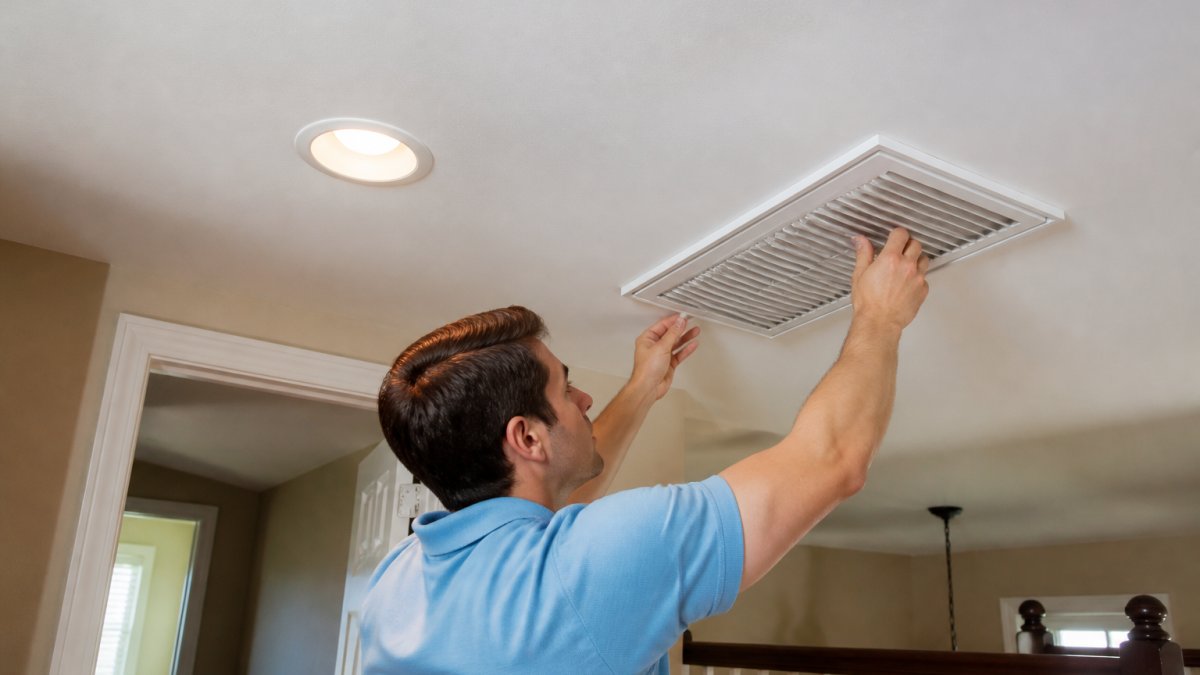
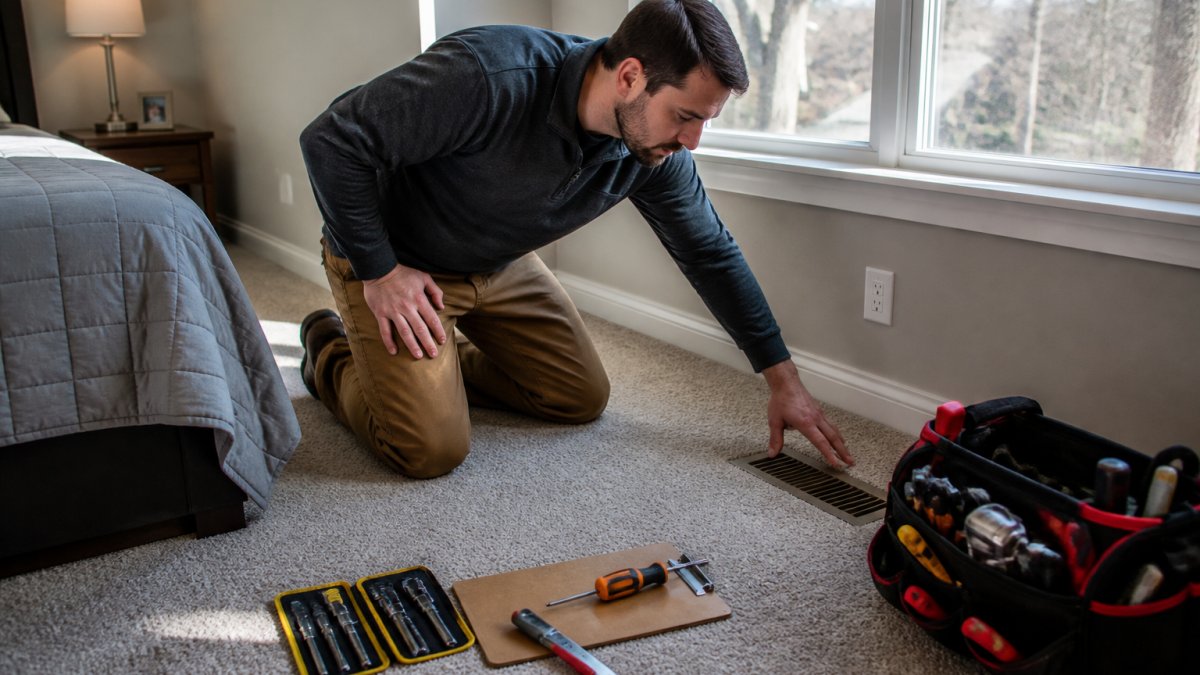
Open every supply and return register fully and clear blockages like furniture, rugs, and curtains.
Run the system for 15 minutes, then feel the airflow at each vent. Weak-flow rooms usually sit farthest from the air handler.
The U.S. Department of Energy explains how air distribution affects home comfort and energy use in its home heating and cooling guide. Their guidance confirms that small adjustments at the registers often fix the biggest comfort complaints.
How to Adjust HVAC Dampers for Even Airflow
Dampers are the real control point for balancing airflow, a movable plate inside your ductwork that controls how much air reaches each branch.
- Find and label the dampers. Note which zone each serves.
- Open the hottest rooms. Fully open dampers to upper floors.
- Throttle the cold rooms. Partially close dampers feeding cool first-floor rooms.
- Wait and recheck. Give it 20 to 30 minutes, then adjust a quarter turn at a time.
Closing dampers too far raises system pressure and strains the blower. If you hear whistling, open them back up.
If dampers are stuck, rusted, or hard to reach, call a technician. Tornado HVAC handles damper repairs and ductwork adjustments.
How to Improve Airflow to the Second Floor
Second-floor rooms sit at the end of the longest duct runs, so they get the weakest push. Run the fan continuously ("on" instead of "auto"), seal leaky attic or crawlspace ducts, add a return upstairs if your home lacks one, and check attic insulation.
The EPA's guide to indoor air quality and home performance notes that sealed and balanced duct systems improve both comfort and efficiency.
If upstairs still runs hot, the issue may be system sizing or duct design. A professional diagnostic measures static pressure and airflow at each register.
When to Call a Professional
Call a licensed technician if rooms never reach the set temperature, airflow is weak at every register, the blower short-cycles, or uneven temperatures return after every adjustment.
Tornado HVAC provides professional diagnostics and clear written recommendations, servicing furnaces, boilers, heat pumps, central air, and ductwork across Clifton and nearby North Jersey towns, with 24/7 emergency service.
| Problem | Likely Cause | First Fix |
|---|---|---|
| Upstairs always hot | Long duct runs, no upstairs return | Run fan continuously, add return |
| One room too cold | Damper closed or blocked register | Open damper, clear obstructions |
| Weak airflow everywhere | Clogged filter or failing blower | Replace filter, call for service |
| Whistling at vents | Dampers closed too far | Reopen dampers partway |
| Uneven temps return | Duct leaks or sizing issue | Seal ducts, book a diagnostic |
Frequently Asked Questions
How do you balance airflow in a two-story house?
Start by checking that all supply and return registers are open and unblocked by furniture or rugs. Then adjust the dampers in your ductwork, partially closing the ones feeding cooler first-floor rooms so more air reaches the second floor. Give the system a day to settle before making further changes. If temperatures still differ by more than a few degrees between floors, the issue may be duct design or equipment sizing, which a professional diagnostic visit can confirm.
Should HVAC vents be open or closed upstairs in summer?
Keep upstairs vents fully open in summer. Closing them reduces total system airflow and can raise pressure in the ducts, which lowers efficiency and can damage the blower over time. If the second floor is too warm, the better move is to partially close dampers or registers downstairs rather than shut off upstairs vents. A technician can measure static pressure to confirm your system is moving the air volume it was designed for.
When should I call an HVAC professional about uneven temperatures?
Call a professional when a floor-to-floor temperature gap stays above 5 degrees after you have adjusted registers and dampers, when some rooms get almost no airflow, or when the system short-cycles or runs constantly. Those signs often point to undersized ductwork, a failing blower, or a system that was never matched to the home. A diagnostic visit with written recommendations tells you whether the fix is a simple adjustment or a repair.
Balancing airflow in a multi-story home takes patience, but most homes improve with simple register and damper changes. When the problem runs deeper, Tornado HVAC can help. We offer professional diagnostics, written recommendations, seasonal maintenance plans, and repairs for furnaces, boilers, heat pumps, and central air. Schedule service with Tornado HVAC and get your whole home comfortable again.