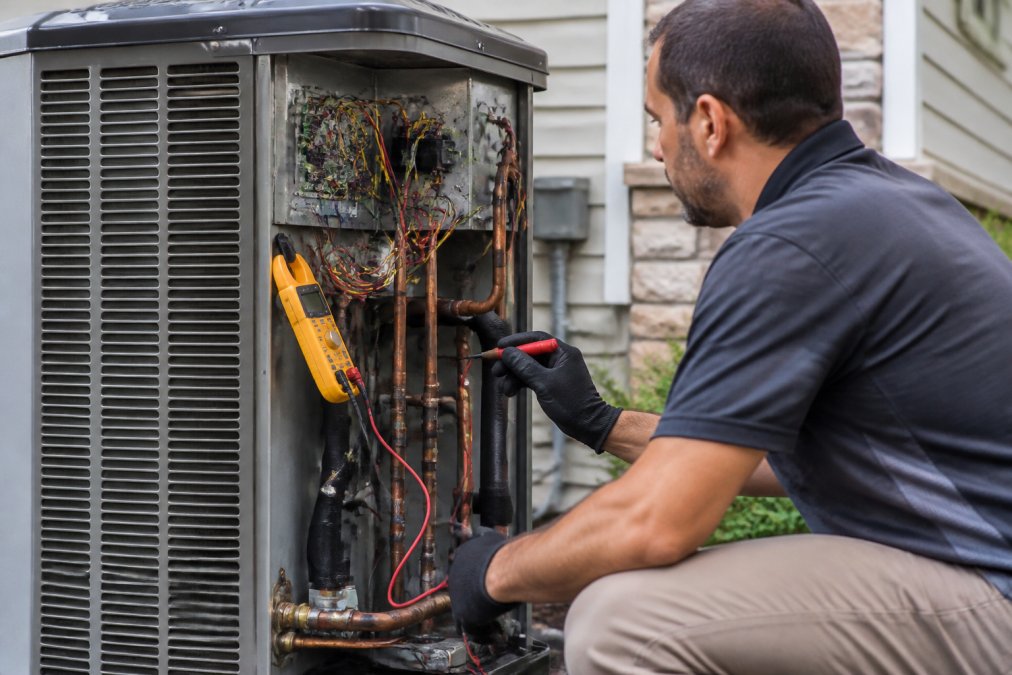
 how-to
Common HVAC Repair Problems Explained: 2026 Guide
Table of Contents
- Signs Your HVAC Needs Repair: What Homeowners Notice First
- The Most Common HVAC Repair Problems Explained
- HVAC Troubleshooting Guide: Safe Steps You Can Try First
- DIY vs. Professional Repair: Where the Line Really Sits
- When to Call an HVAC Technician Instead of Waiting
- Seasonal HVAC Maintenance Checklist for Every System Type
- Frequently Asked Questions
Last Updated: September 20, 2026
Signs Your HVAC Needs Repair: What Homeowners Notice First
Most HVAC breakdowns announce themselves before they fail completely. The system gets louder, the rooms never quite reach the temperature on the thermostat, or the air coming from the vents feels weak. At Tornado HVAC, we see the same early warnings on service calls across Bergen, Essex, Morris, Passaic, and Union counties, and catching them early usually means a smaller repair instead of a full replacement.
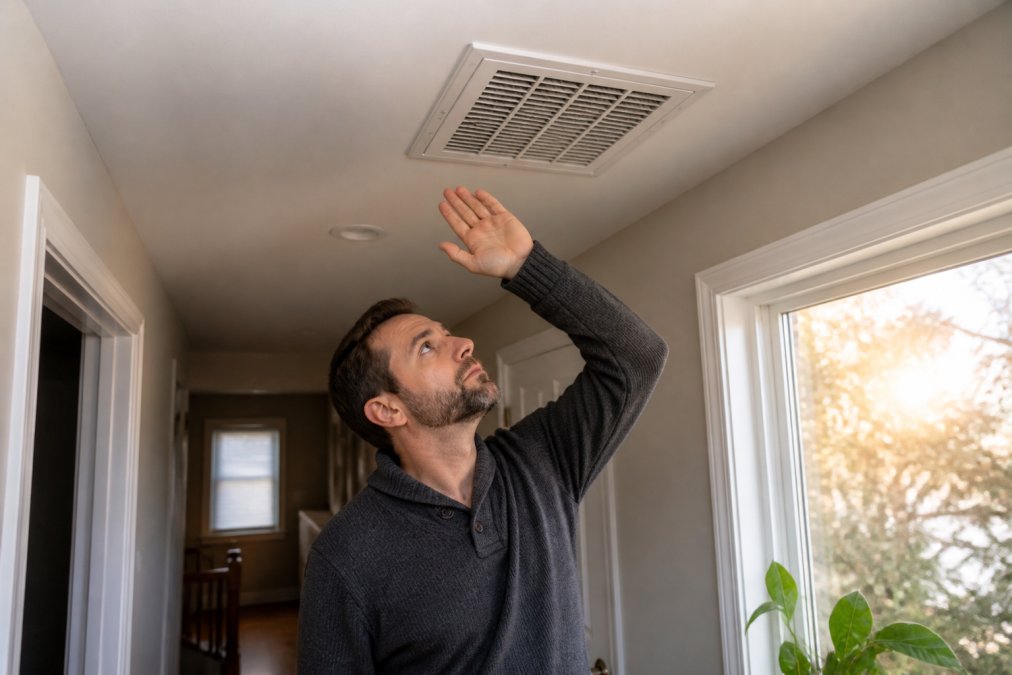
Here are the signs homeowners notice first:
- Warm air blowing from vents in cooling season, or cool air in heating season
- Weak airflow from some vents but not others
- Strange noises: banging, squealing, rattling, or clicking
- Short cycling, where the system turns on and off every few minutes
- Rising energy bills with no change in usage habits
- Musty smells or visible moisture near the indoor unit
- Frequent breaker trips when the system starts
Any one of these points to a specific hvac repair problem worth diagnosing.
The Most Common HVAC Repair Problems Explained
Airflow restriction, refrigerant loss, and electrical failure cause most residential HVAC breakdowns. Filters, coils, capacitors, thermostats, and ignition parts are the components that fail most often. Each one has a distinct set of symptoms, and knowing them helps you describe the problem clearly when you call for service.
Airflow Problems: Clogged Filters and Blocked Ductwork
A clogged filter is the single most common cause of weak airflow. Filters trap dust, and once the surface is loaded, the blower motor has to work harder to pull air through. That extra strain leads to overheating, frozen coils, and eventually blower motor failure.
Refrigerant Leaks and Frozen Evaporator Coils
A frozen evaporator coil almost always points to low refrigerant or restricted airflow. When refrigerant charge drops, the coil temperature falls below freezing, and condensation on the coil turns to ice. The ice blocks airflow, which makes the coil colder, which makes more ice.
Electrical Failures: Capacitors, Contactors, and Breakers
The capacitor gives the compressor and blower motor the jolt they need to start. When it weakens, the system hums, clicks, and shuts down. A failing capacitor is one of the most common service calls we run, and it is also one of the least expensive parts to replace.
Warning signs to watch for:
- Clicking sounds from the outdoor unit with no fan movement
- A breaker that trips repeatedly
- A burning smell near the air handler
- The system starting, then shutting down within seconds
Ignition and Pilot Light Failures on Furnaces and Boilers
A furnace that blows cold air in winter usually has an ignition problem. Modern furnaces use electronic ignition, while older units and some boilers rely on a standing pilot light. When the pilot goes out or the igniter fails, the burners never light, and the blower just moves room-temperature air.
Thermostat Malfunctions and Calibration Drift
A thermostat that reads two degrees off can make an otherwise healthy system look broken. Thermostat calibration drifts over time, and a unit mounted in direct sunlight or near a draft reads the wrong temperature entirely.
Symptoms of a thermostat problem:
- The system runs when the house already feels comfortable
- Rooms stay warm even though the thermostat shows the target temperature
- The display flickers or goes blank
- The fan runs but the compressor never starts
Dirty Condenser Coils and Short Cycling
The condenser unit outdoors rejects heat from your home. When the coils are coated in grass clippings, pollen, and dust, that heat has nowhere to go. The system runs longer, works harder, and starts short cycling: turning on and off in short bursts because it cannot keep up.
HVAC Troubleshooting Guide: Safe Steps You Can Try First
Safe troubleshooting starts with the thermostat, the filter, and the breaker, in that order. These three checks resolve a surprising number of calls before a technician ever arrives, and none of them put you at risk.
Follow these steps:
- Check the thermostat. Confirm it is set to the right mode and the batteries are fresh.
- Replace the air filter. A clogged filter chokes the whole system.
- Check the breaker. Reset it once. If it trips again, stop.
- Clear debris from the outdoor unit. Remove leaves, grass, and anything blocking airflow.
- Check the condensate drain line. A clogged line triggers a safety shutoff on many systems.
- Look for ice on the indoor coil. If you see ice, turn the system off and let it thaw.
- Listen for unusual sounds. Note what you hear so you can describe it accurately.
DIY vs. Professional Repair: Where the Line Really Sits
The line sits at anything involving refrigerant, gas, high voltage, or the sealed components of the system. Filter changes, thermostat batteries, and outdoor coil cleaning are fair game for most homeowners. Everything past that is a job for someone with the right tools and training.
Here is a practical way to sort it:
| Task | DIY Safe? | Why |
|---|---|---|
| Replace air filter | Yes | No tools, no risk |
| Change thermostat batteries | Yes | Simple, low voltage |
| Clear debris from condenser | Yes | Visual and physical only |
| Reset a tripped breaker once | Yes | Basic, but stop if it repeats |
| Replace a capacitor | No | Stored charge, high voltage |
| Add refrigerant | No | Requires license and gauges |
| Clean the flame sensor | No | Gas appliance, needs testing |
| Repairing ductwork | No | Requires specialized tools and expertise |
When to Call an HVAC Technician Instead of Waiting
Call a technician the same day if the system is blowing warm air in cooling season, if you smell gas, if the breaker trips more than once, or if you see ice on the indoor coil. Waiting rarely saves money. A small compressor failure caught early is a part replacement. Left alone, it becomes a system replacement.
Other reasons to call right away:
- The system has not been serviced in over a year
- You hear grinding or screeching from the blower
- Water is pooling around the indoor unit
- The house will not hold temperature on an extreme day
- You have a heat pump that runs in both seasons and is underperforming in one
Seasonal HVAC Maintenance Checklist for Every System Type
A short seasonal checklist prevents most of the breakdowns covered above. Run it twice a year: once in spring before cooling season, once in fall before heating season.
Spring checklist (cooling prep):
- Replace the air filter
- Rinse the outdoor condenser coils
- Clear vegetation two feet back from the unit
- Test the thermostat in both modes
- Check the condensate drain for clogs
- Schedule a tune-up before the first heat wave
Fall checklist (heating prep):
- Replace the air filter
- Test the furnace or boiler ignition cycle
- Check the pilot light or igniter on older units
- Clear vents and returns of furniture and rugs
- Test carbon monoxide detectors
- Book a professional tune-up before the first cold snap
System-specific notes:
- Furnaces need the flame sensor and heat exchanger checked each fall.
- Boilers need water pressure and expansion tank checks.
- Heat pumps need both a spring and fall service because they run year-round.
- Central air units benefit most from a pre-season coil cleaning.
Frequently Asked Questions
What is the most common HVAC problem homeowners run into?
Airflow restriction tops the list, usually from a clogged air filter or blocked ductwork. A dirty filter forces the blower motor to work harder, which raises energy use and can freeze the evaporator coil. Other frequent HVAC repair problems include refrigerant leaks, failed capacitors, thermostat calibration drift, and ignition issues on furnaces. Most of these show up first as weak airflow, uneven room temperatures, or short cycling, so catching the early signs keeps a small repair from turning into a compressor replacement.
How do I know if my HVAC needs a professional repair or just a reset?
Start with the simple checks: confirm the thermostat is set correctly, replace a clogged filter, and check that the circuit breaker has not tripped. If the system still will not heat or cool after those steps, the issue is likely internal. Signs your HVAC needs repair include grinding or squealing noises, ice on the refrigerant lines, a burning smell, or the unit short cycling every few minutes. Those point to compressor, capacitor, or refrigerant problems that require a licensed technician and proper diagnostic tools.
What should an HVAC maintenance checklist cover each season?
A solid HVAC maintenance checklist includes replacing or cleaning the air filter monthly during heavy use, clearing debris from around the condenser unit, checking the condensate drain line for clogs, testing the thermostat against a separate thermometer, and inspecting visible ductwork for leaks or disconnected joints. Before heating season, add a furnace inspection covering the heat exchanger, pilot light or igniter, and flame sensor. Before cooling season, have refrigerant charge and capacitor performance verified. Bi-annual tune-ups catch most failures before they start.
When should I call an HVAC technician instead of troubleshooting myself?
Call a technician when you see ice buildup on the evaporator coil or refrigerant lines, smell gas or burning, hear loud banging or metal-on-metal sounds, or notice water pooling near the furnace or air handler. Any work involving refrigerant handling, electrical capacitors, gas lines, or the heat exchanger should stay with a licensed professional. If your system is more than 12 to 15 years old and needs repeated repairs, ask for a written assessment of repair versus replacement so you can weigh both options with real numbers.