 how-to
Furnace Not Blowing Hot Air? How to Troubleshoot It
Table of Contents
- Step 1: Check the Thermostat and Power
- Furnace Blowing Cold Air? Check the Air Filter
- Furnace Fan Running but No Heat: What to Inspect Next
- Frequently Asked Questions
Last Updated: October 20, 2026
Step 1: Check the Thermostat and Power
Before you touch the furnace, check the thermostat. A furnace not blowing hot air often starts with a simple setting problem, one of our most common cold-snap calls in Clifton, NJ.
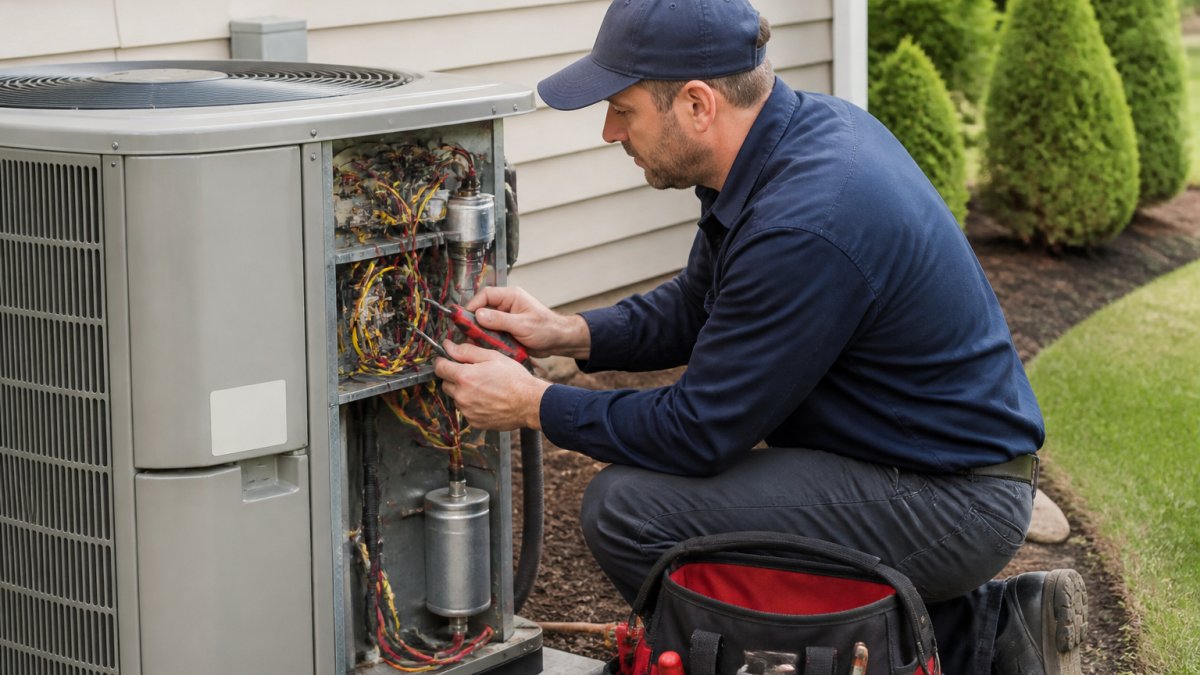
Quick checks: confirm the thermostat is set to Heat, raise the set point, replace dead batteries, check the breaker panel for a tripped furnace breaker, and confirm the power switch is on.
If the thermostat is fine and the breaker is not tripped, a furnace blowing cold air points to airflow or ignition trouble.
Furnace Blowing Cold Air? Check the Air Filter
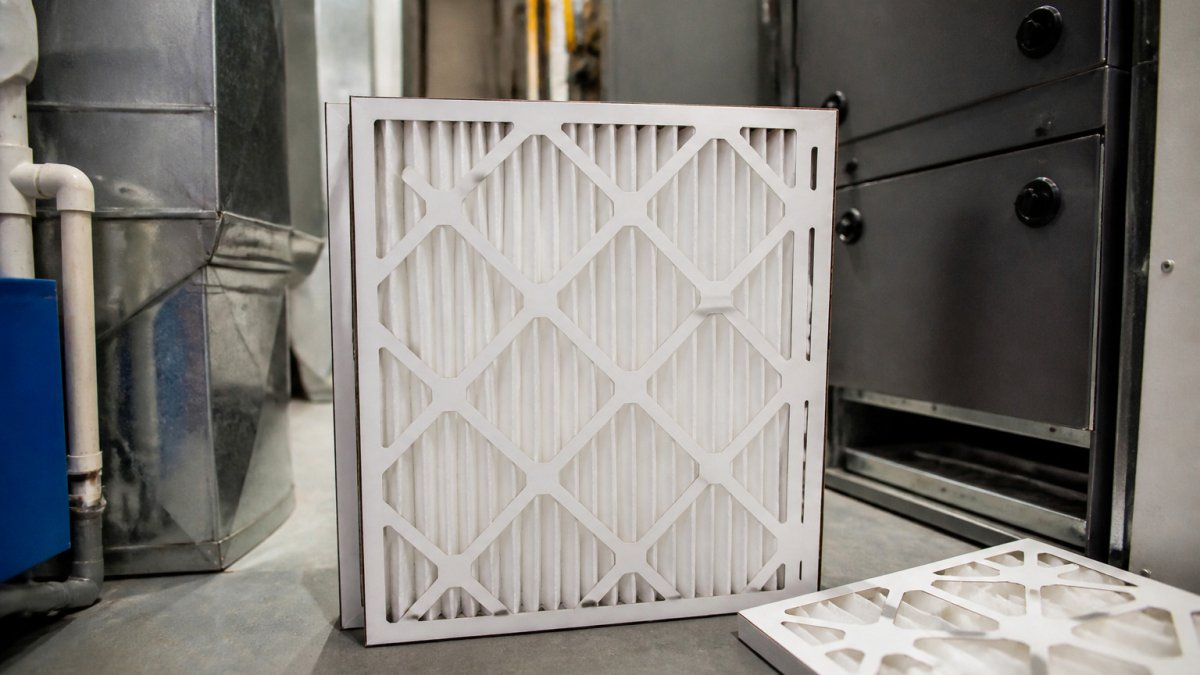
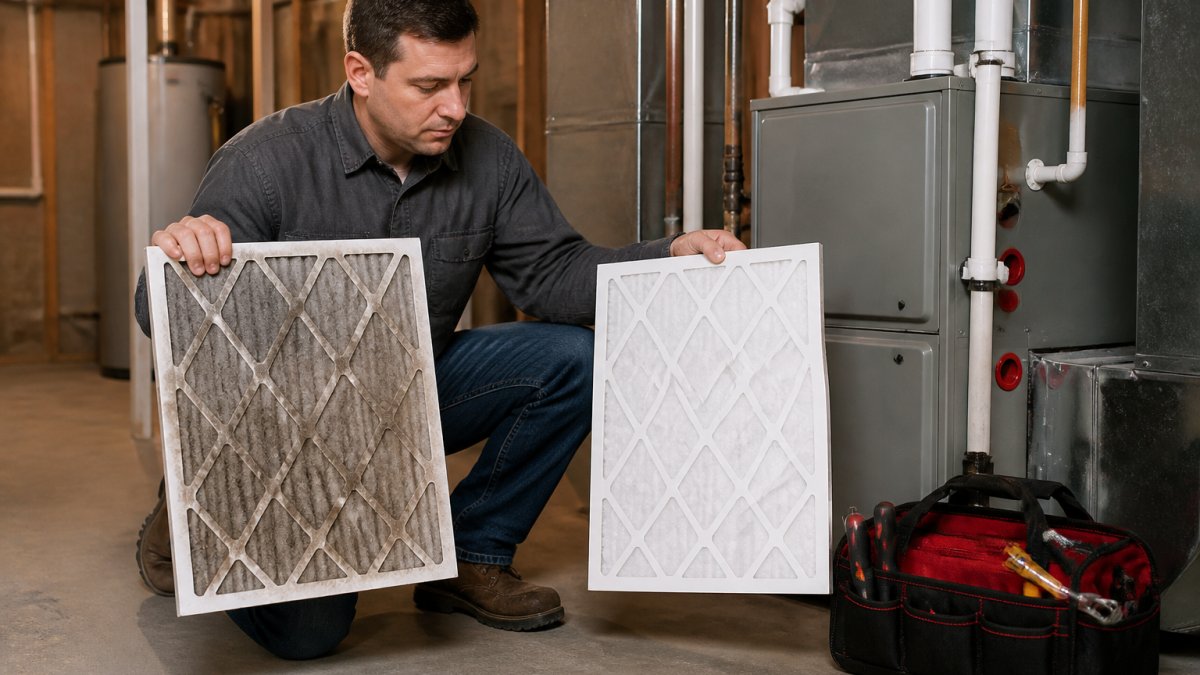
A clogged filter is the most common cause of weak or cool airflow. Packed with dust, the furnace overheats, shuts down on its safety limit, and the blower pushes air that never got warm.
To check it, turn off the furnace, slide the filter out, and hold it to a light, if light barely passes through, replace it.
Most homes need a furnace air filter replacement every one to three months; homes with pets or heavy dust need it more often. Match the old frame's size and point the airflow arrow toward the furnace.
Furnace Fan Running but No Heat: What to Inspect Next
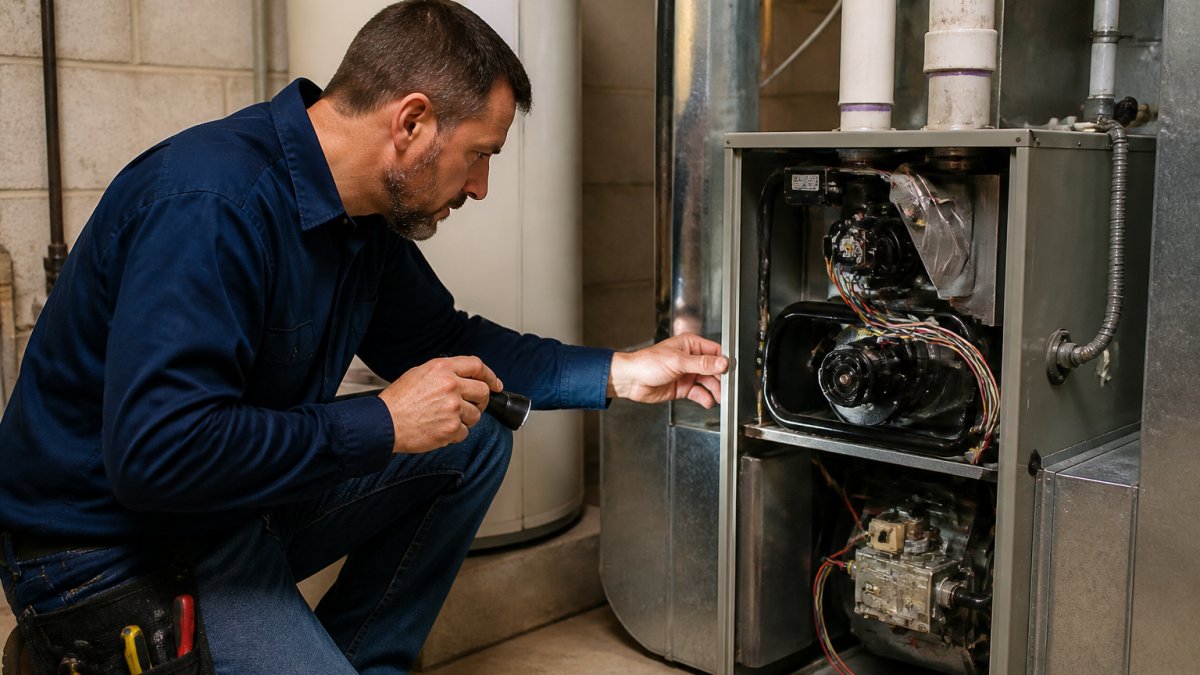
A furnace fan running but no heat means the blower works while the burners stay off, narrowing the problem to ignition, fuel, or flame sensing.
Check these next: confirm the gas valve is open; a failed hot-surface igniter is a common no-heat cause; a dirty flame sensor shuts the burners down; on high-efficiency units a clogged condensate drain can lock out the furnace; and note the control board's error code.
If you smell gas, leave the house and call your gas utility first. Do not relight anything yourself.
When should you call for furnace repair?
Call for furnace repair when you have checked the thermostat, filter, breaker, and gas valve and the furnace still blows cold. Igniter, sensor, and board work belongs with a technician who can test the system safely.
| Symptom | Likely Cause | DIY Fix | Call a Pro When |
|---|---|---|---|
| Fan runs, air is cool | Clogged filter | Replace filter | Airflow stays weak after swap |
| No heat, fan off | Tripped breaker or power switch | Reset breaker, check switch | Breaker trips again |
| Burners never light | Bad igniter or flame sensor | None | Every time |
| Furnace locks out | Condensate clog or error code | Clear visible drain | Code returns after reset |
Our team handles furnace and boiler service across Bergen, Essex, Morris, Passaic, and Union counties, including 24/7 emergency calls when a furnace quits on a cold night. Searching for furnace repair near me in Clifton? We diagnose the system and give you a written recommendation before any work starts. Schedule service with Tornado HVAC and get your heat back on.
Frequently Asked Questions
Why is my furnace blowing cold air instead of hot air?
A furnace blowing cold air often means the air filter is clogged, the thermostat is set to fan-only, or the pilot light or ignition has failed. Check the filter first, then confirm the thermostat is on heat and set above room temperature. If those are fine, the issue may be a faulty flame sensor or gas valve, which requires a technician.
Can a dirty furnace filter cause a furnace to blow cold air?
Yes. A clogged filter restricts airflow, which can cause the furnace to overheat and shut off before warm air reaches your rooms. The blower then keeps running, pushing cool air. Check your filter monthly and replace it every 1 to 3 months. This simple furnace air filter replacement often restores heat quickly.
When should I stop troubleshooting and call for furnace repair?
Call for furnace repair if you smell gas, see a cracked heat exchanger, or the furnace repeatedly shuts off after resetting. Also call if you have checked the thermostat, filter, and power and still have no heat. A licensed technician can diagnose the flame sensor, igniter, or gas valve safely.