 how-to
How to Fix a Dripping Water Heater Relief Valve
Table of Contents
- Steps to Fix a Dripping Water Heater Pressure Relief Valve
- Common Causes of Water Heater Relief Valve Leaks
- When You Need Water Heater Pressure Relief Valve Replacement
- Frequently Asked Questions
Last Updated: October 14, 2026
Steps to Fix a Dripping Water Heater Pressure Relief Valve
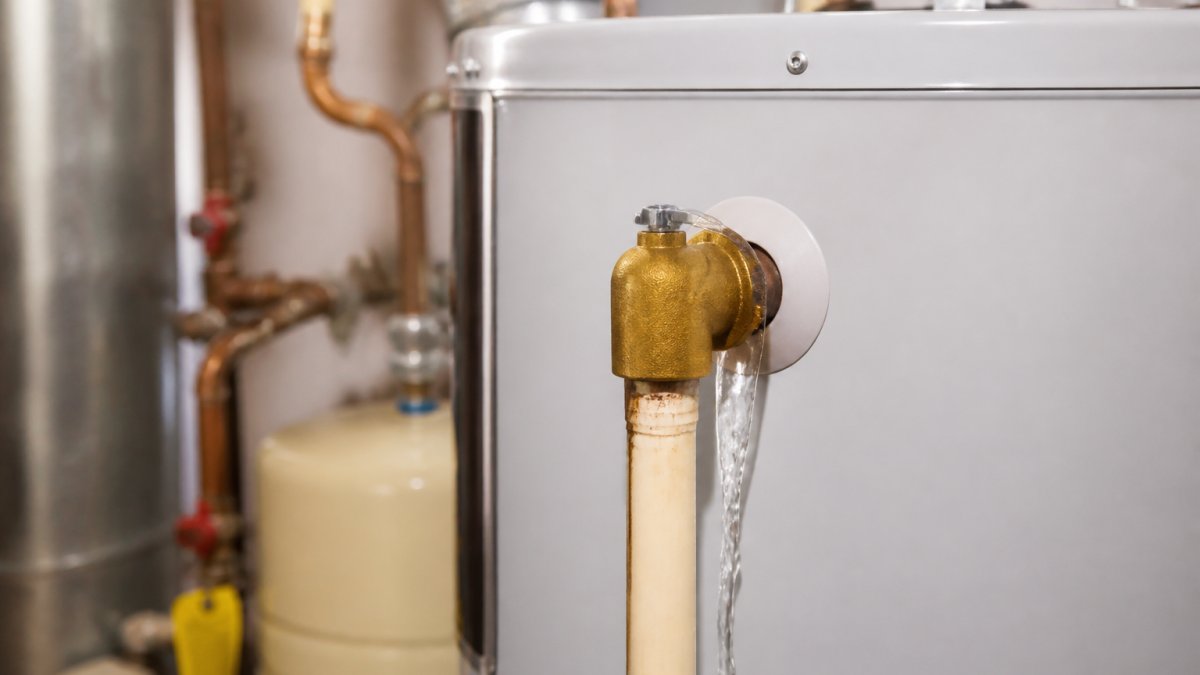
A dripping water heater relief valve usually means too much pressure, a bad valve, or a faulty expansion tank. At Tornado HVAC in Clifton, NJ, we see this often.
Step 1: Shut off the power or gas. Kill the breaker for electric; set gas to "pilot."
Step 2: Close the cold water inlet valve. This stops new water from entering.
Step 3: Test the valve. Lift the lever and let it snap back. If it keeps dripping, the valve is likely bad.
Step 4: Check the temperature. Above 120°F pushes pressure too high; turn the dial down.
Step 5: Check the expansion tank. Tap it. Full of water instead of hollow means it failed.
Step 6: Replace the valve if needed. Shut down, drain a few gallons, thread in a matching new valve.
Step 7: Restore water and power. Open the inlet valve, let the tank refill, then restore power.
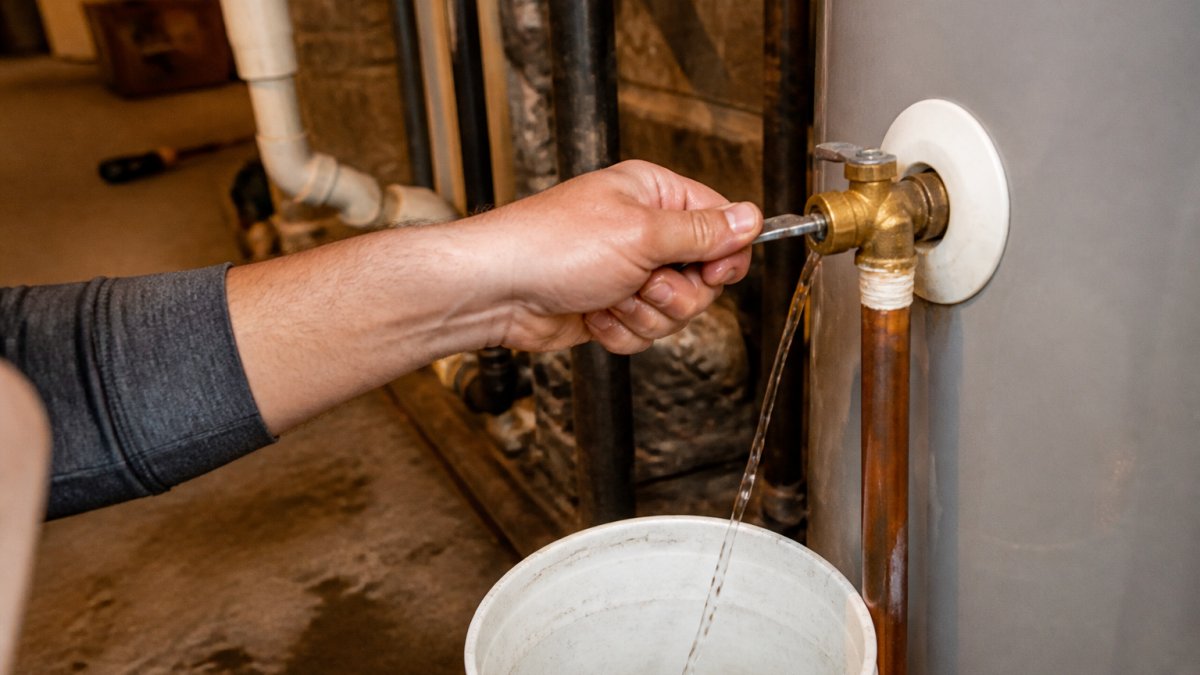
If the drip returns, the tank itself is likely the problem. That is when you call a pro.
Common Causes of Water Heater Relief Valve Leaks
Thermal expansion tops the list: as water heats, it expands, pressure climbs, and the valve opens to release it.
Other causes include:
- A failed expansion tank. Waterlogged tanks stop absorbing pressure.
- High temperature settings. Water above 120°F expands faster.
- A worn valve. Mineral buildup or age keeps it from sealing.
- High incoming water pressure. City supply that runs too high stresses the system.
- Sediment buildup. Deposits cause overheating and pressure spikes.
When You Need Water Heater Pressure Relief Valve Replacement
Water heater pressure relief valve replacement is the right call when the valve fails its own test: lift the lever, let it snap back, and if it keeps dripping, will not reseat, or shows corrosion, replace it.
Signs it is time:
- It drips constantly, even after you lower the temperature
- The test lever feels stuck
- You see rust, scale, or corrosion around the threads
- It is old and has never been serviced
A failed expansion tank is a separate repair; replacing the valve alone will not stop the drip for long.
For homeowners in Clifton and across North Jersey, Tornado HVAC handles water heater diagnostics, valve replacement, and expansion tank service, with clear written recommendations before any work begins.
Frequently Asked Questions
Why is my water heater pressure relief valve dripping?
The most common causes are thermal expansion as the tank heats water, inlet pressure above 80 psi, a failing expansion tank, or sediment and mineral buildup that keeps the valve from sealing. A worn internal seal can also drip after years of use. If the drip continues after you flush the valve and check your home's water pressure, the valve likely needs replacement rather than repair.
Can I fix a dripping water heater pressure relief valve myself?
You can handle simple steps like flushing the valve and checking for debris. Testing the valve is safe when you follow the manufacturer's instructions. However, if the drip continues, if the valve is corroded, or if you find high water pressure or expansion tank problems, call a licensed plumber. Water heater work involves scalding water and gas or electrical connections, so a professional is the safer choice for anything beyond basic troubleshooting.
Is it safe to use a water heater with a leaking pressure relief valve?
No. The relief valve is a safety device that releases pressure before it becomes dangerous. A valve that drips constantly or is stuck open may not relieve pressure when it matters. Shut off the water heater if the leak is steady or the discharge pipe is running hot water, and schedule service. A leaking relief valve is not a problem to ignore until it fails completely.
A dripping relief valve is a small problem that can point to a bigger one, and it is not something to ignore. If the drip keeps coming back after you test the valve and check the tank, the issue is likely beyond a simple fix. Tornado HVAC offers 24/7 emergency service, honest diagnostics, and written recommendations for water heater repair and replacement across Bergen, Essex, Morris, Passaic, and Union counties. Schedule service with Tornado HVAC and get your water heater running safely again.