 How-to
How to Prepare Your HVAC for Winter: A Step-by-Step Guide
Last Updated: November 4, 2026
Quick Summary
To prepare HVAC winter performance, check your furnace before the first cold snap, replace the filter, and set a steady thermostat schedule. Then book a yearly tune-up with a qualified technician to confirm the system is safe and running well.
- Confirm the thermostat is set to heat before the first cold snap
- Replace your HVAC filter before winter starts, then check it monthly
- A clogged filter restricts airflow and can lead to overheating and wasted energy
- Avoid large temperature swings; programmable thermostats can lower the setpoint when the house is empty
- A yearly tune-up from a qualified technician confirms your system is safe and running well
Table of Contents
- Start With a Furnace Maintenance Checklist
- When to Change HVAC Filters Before the Cold Sets In
- Set Energy Efficient Heating Settings and Book Your Professional Inspection
- Frequently Asked Questions
Winter in North Jersey is hard on heating equipment, so it pays to prepare HVAC winter needs early. Tornado HVAC recommends a few simple steps before the first real cold snap. Doing them now can help prevent a no-heat emergency on a cold night, and it gives a professional technician a clean starting point if you book an inspection.
Start With a Furnace Maintenance Checklist
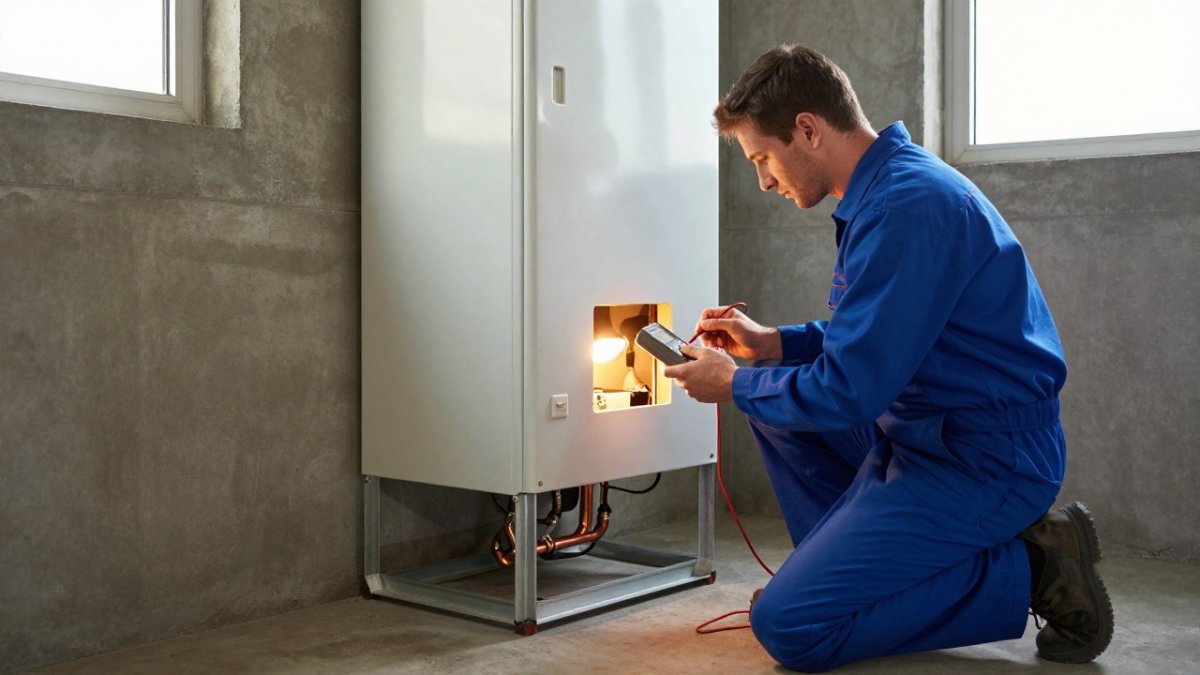
A furnace maintenance checklist is a short list of inspections a homeowner can do before winter starts. Check that the thermostat is set to heat and that the furnace is switched on at its power source. Look at the blower compartment for dust buildup, and make sure supply and return registers are open and unblocked. Listen for unusual noises when the system runs. If anything seems off, note it and call a professional.
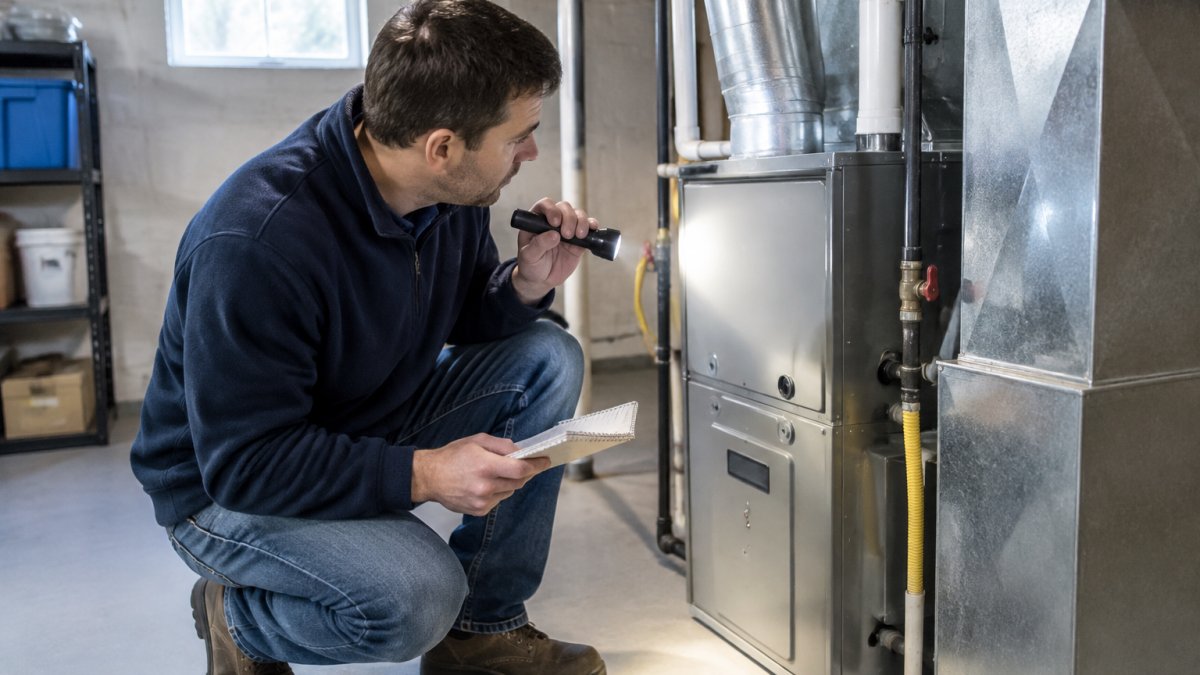
- Confirm the thermostat is set to heat
- Clear space around the furnace and its vents
- Make sure all supply and return registers are open
- Note any strange smells, rattling, or short cycling
Use this quick checklist to spot common issues before winter starts.
| Check | What to look for | When to act |
|---|---|---|
| Thermostat | Set to heat | Before first cold snap |
| Blower compartment | Dust buildup | Before winter starts |
| Registers | Supply and return open and unblocked | Before winter starts |
| System noise | Strange smells, rattling, or short cycling | Note it and call a professional |
When to Change HVAC Filters Before the Cold Sets In
Replace your HVAC filter before winter starts, then check it monthly while the system runs. A clogged filter restricts airflow, makes the blower work harder, and can lead to overheating and wasted energy (HVAC Proper Installation of Filters). Filter size and rating vary by system, so check the size printed on the filter frame before buying a replacement.
Set Energy Efficient Heating Settings and Book Your Professional Inspection
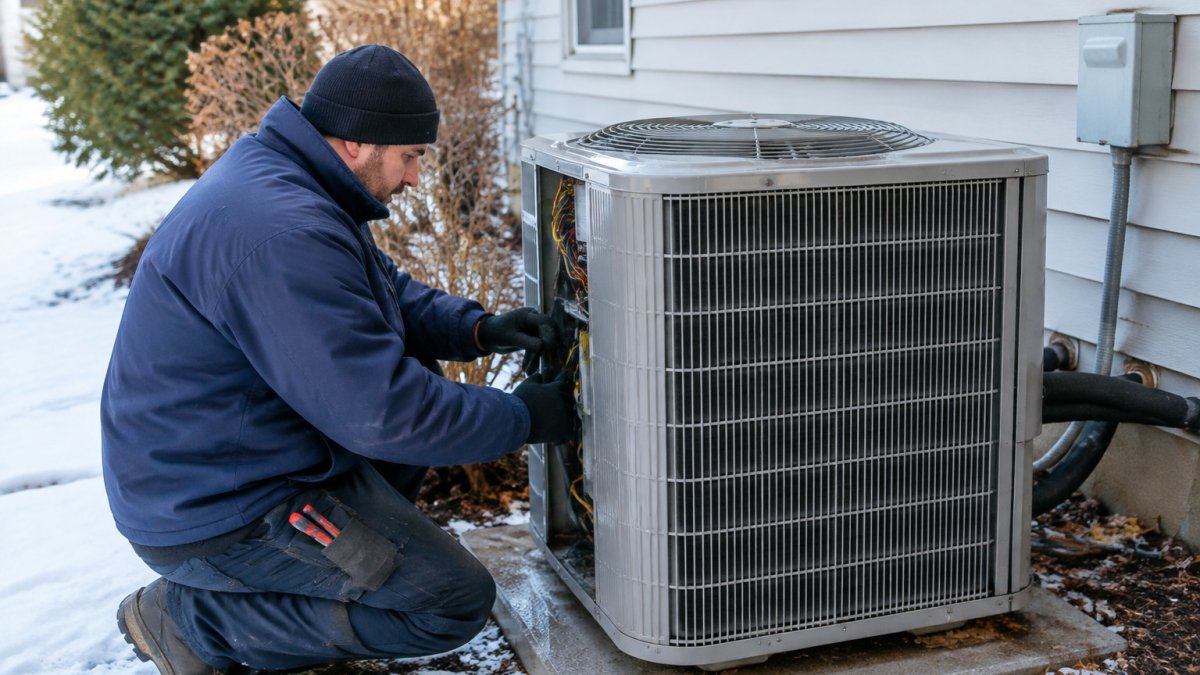
As part of a plan to prepare HVAC winter performance, set the thermostat to a steady temperature you can live with, and avoid large swings during the day. Programmable and smart thermostats can lower the setpoint when the house is empty or everyone is asleep. Even with good settings, a yearly tune-up from a qualified technician is a sound way to confirm your system is safe and running well. Homeowners in the area can review local HVAC maintenance guidance for Morris County, NJ before scheduling. Tornado HVAC offers professional heating inspections and written recommendations for North Jersey homes, and you can book a professional winter heating inspection or schedule a heater tune-up before the cold sets in.
Frequently Asked Questions
What should my HVAC be set at in winter?
For most homes, setting the thermostat between 68 and 70 degrees Fahrenheit while you are awake and lowering it by a few degrees overnight or while you are away is an efficient starting point. Programmable or smart thermostats can handle these changes automatically. Avoid large swings in temperature, since the system works harder to recover when the house cools down significantly. If rooms feel uneven, the issue may be airflow or ductwork rather than the thermostat setting, and a professional inspection can identify the cause.
When should I schedule a professional furnace tune-up?
The best time to schedule a professional heating system inspection is early in the fall, before the first sustained cold snap. A tune-up checks the burner, heat exchanger, ignition, safety controls, and airflow. Tornado HVAC provides professional diagnostics and written recommendations so you know exactly what the system needs before winter.
How often should my HVAC fan run in winter?
Most systems run the blower fan automatically when the furnace heats the home, and the thermostat fan setting usually defaults to auto. Setting the fan to on runs it continuously, which circulates air more evenly but uses more electricity. For most homes, auto is the more efficient choice. If you notice rooms that stay cold or air that feels stale, check your filter first, then call a technician if the problem continues.