 How-to
Energy Audit NJ: What Homeowners Should Expect
Last Updated: November 5, 2026
Quick Summary
An energy audit NJ is a top-to-bottom inspection of how your home uses and loses energy, starting with a walkthrough and interview about comfort complaints and utility bills. We then inspect the building envelope, check heating and cooling equipment, and deliver a written report with a ranked upgrade plan.
- Clear access to the attic, basement, and mechanical closet, and gather 12 months of gas and electric bills.
- A good audit report ranks air sealing and insulation first, then equipment, then controls.
- A whole-home assessment treats envelope, equipment, ductwork, ventilation, and controls as one system.
- Audits often turn up duct leaks, which our duct repair and sealing service addresses.
- Tornado HVAC serves Bergen, Essex, Morris, Passaic, and Union counties from our Clifton location.
Table of Contents
- What Happens During a Home Energy Audit in NJ
- How to Prepare for a Home Energy Assessment
- Whole-Home Energy Assessment and the PSE&G Home Energy Assessment
- Frequently Asked Questions
What Happens During a Home Energy Audit in NJ
An energy audit is a top-to-bottom inspection of how a house uses and loses energy, and it is the first step toward a more efficient home. At Tornado HVAC in Clifton, NJ, we walk the property, check the building envelope, and document findings in a written report.
- Walkthrough and interview: Comfort complaints, drafty rooms, and utility bills.
- Building envelope inspection: Insulation levels and air leaks around windows, doors, and penetrations.
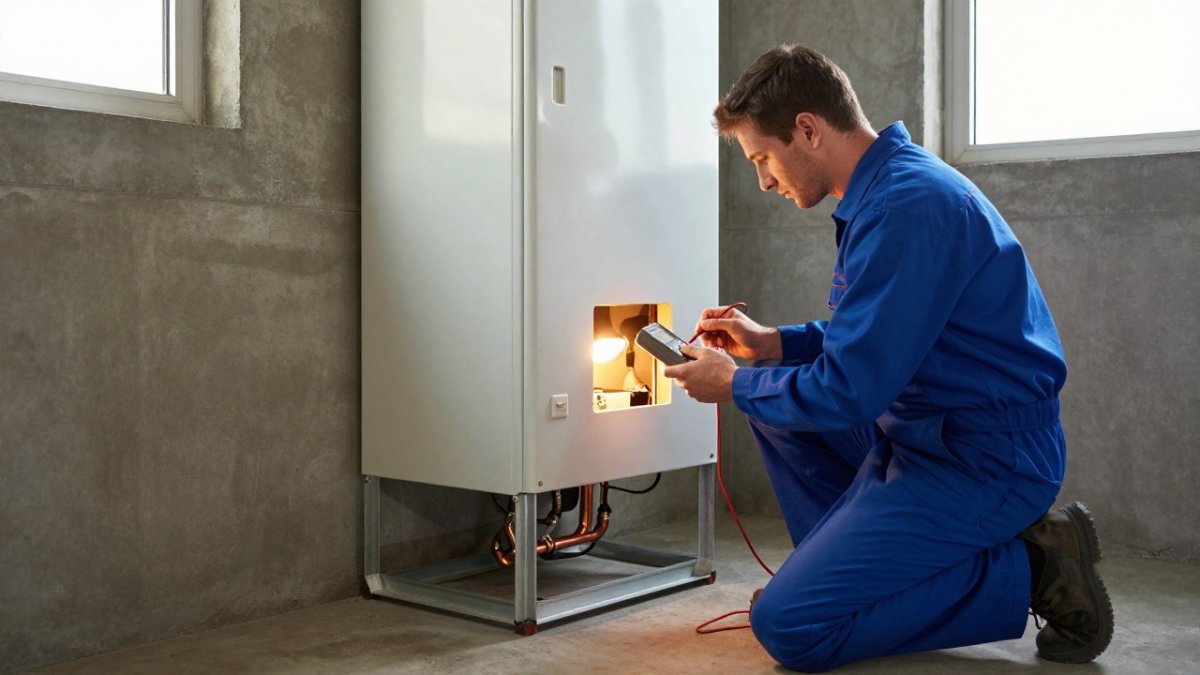
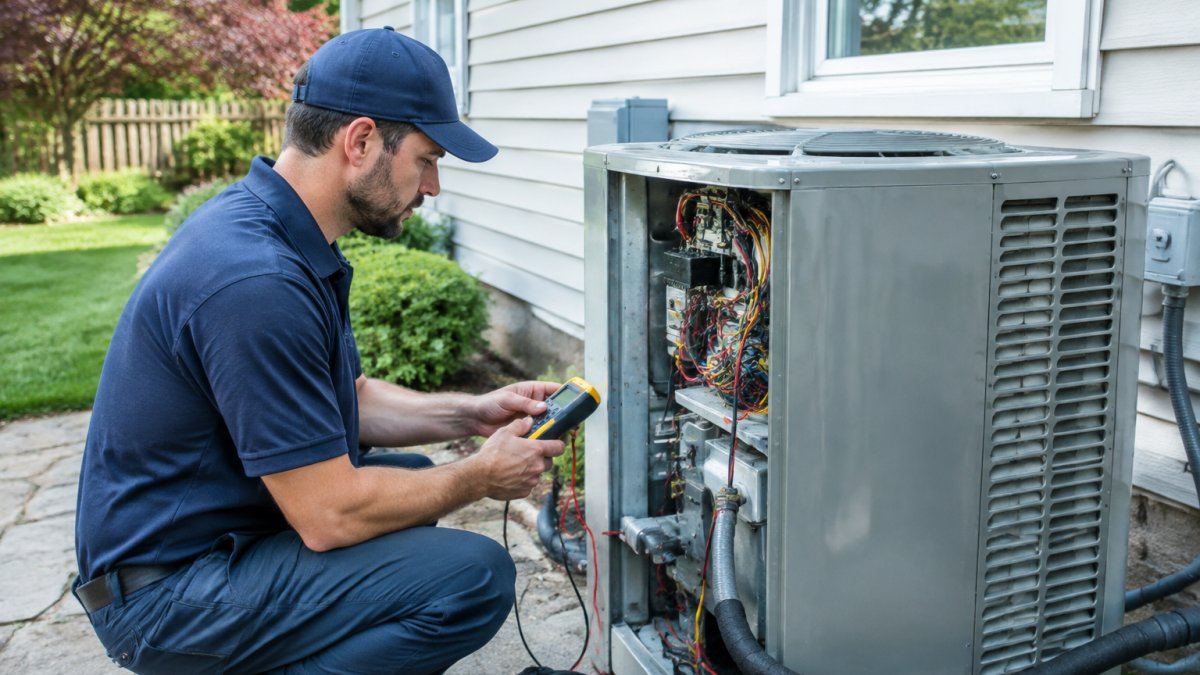
- Heating and cooling check: Equipment age, condition, and operation.
- Written report and upgrade plan: Findings, priorities, and next steps.
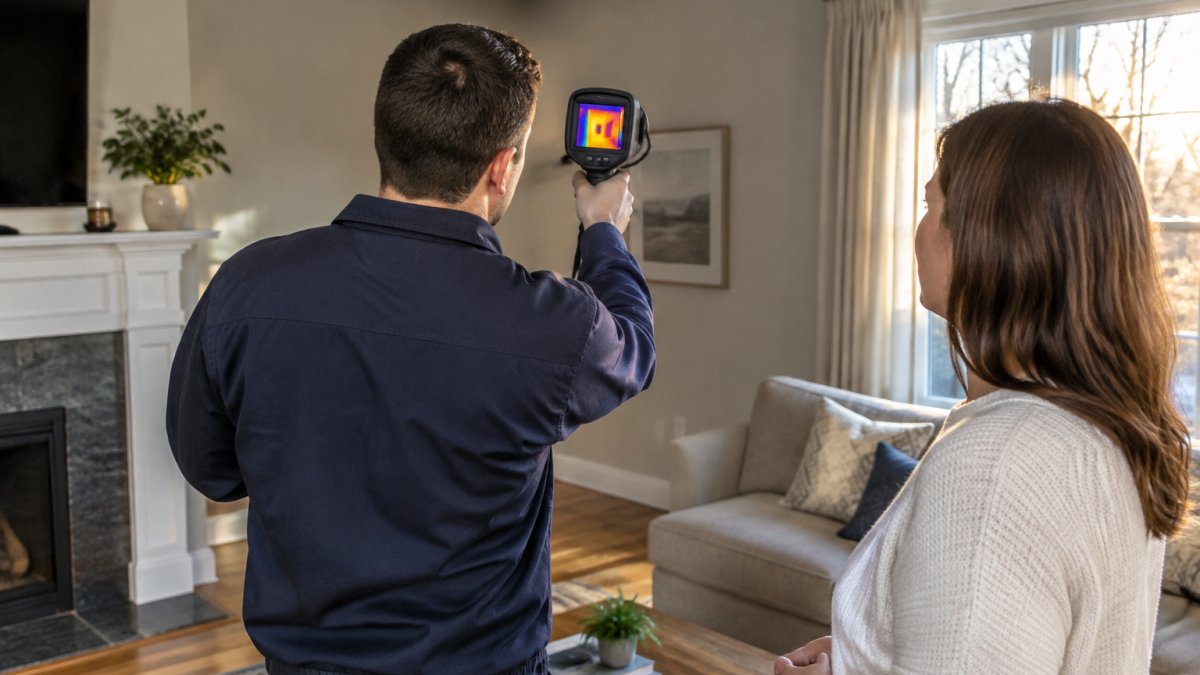
The report matters most: a good energy audit ends with a ranked list, air sealing and insulation first, then equipment, then controls. See our energy audits in North NJ; audits often turn up duct leaks, addressed by our duct repair and sealing, and our guide to indoor air quality and energy efficiency explains the connection.
How to Prepare for a Home Energy Assessment
Preparation is simple: clear access to the attic, basement, and mechanical closet, and have a year of utility bills ready.
- Collect 12 months of gas and electric bills
- Note rooms that feel too hot, too cold, or drafty
- Note moisture, condensation, or musty smells
- Secure pets and clear a path for equipment
- List recent renovations or insulation work
To act on efficiency before the visit, our HVAC efficiency tips cover low-effort wins.
Whole-Home Energy Assessment and the PSE&G Home Energy Assessment
A whole-home energy assessment looks at the house as one system: envelope, equipment, ductwork, ventilation, and controls together (Whole-House Weatherization).
| Option | Who Runs It | What to Expect | Best For |
|---|---|---|---|
| Utility program assessment | Utility company | Eligibility screening, scheduled visit, report | Homeowners checking program options |
| Independent whole-home assessment | HVAC contractor | Full diagnostic, written upgrade plan | Homeowners ready to act on findings |
| Walkthrough only | Contractor | Visual check, no testing | Quick second opinion |
To move from assessment to quote, use our instant video quote service.
An energy audit only pays off when someone acts on the report. Tornado HVAC provides professional diagnostics, clear written recommendations, and the repairs and replacements that follow, including ductwork and heating and cooling upgrades. We serve homeowners across Bergen, Essex, Morris, Passaic, and Union counties from our Clifton location.
Frequently Asked Questions
How much does an energy audit cost in NJ?
Pricing varies by provider and by whether you qualify for a utility or government program. Some income-eligible households can get a free assessment, while others pay a reduced cost. Tornado HVAC does not publish flat audit prices because the scope depends on the home.
What happens during a home energy audit?
A typical energy audit visit includes a walkthrough and a check of the heating and cooling system. The auditor reviews utility bills and gives you a written report with recommended energy-saving upgrades.
Can an energy audit identify heating and cooling inefficiencies?
Yes. An audit examines the building envelope, air leaks, insulation levels, and the heating and cooling system itself. It can reveal duct leakage, poor insulation, and equipment that is past its useful life. Those findings feed into a whole-home energy assessment and an upgrade plan that may include equipment repair or a replacement system.