 How-to
What Happens During a Furnace Tune-Up Visit
Last Updated: November 11, 2026
Quick Summary
A furnace tune-up is a scheduled visit where a technician inspects, cleans, and tests your heating system to catch small problems early. The visit covers the burner and ignition, gas pressure and safety switches, flame sensor and carbon monoxide levels, the blower and blower motor, the ductwork and condensate drain, and the thermostat calibration.
- A tune-up usually takes about one hour, though older systems can take longer.
- Change your filter and clear space around the unit before the visit.
- The technician tests carbon monoxide levels as part of the safety checks.
- Older systems may need more time, and a technician can advise what makes sense for your home.
Table of Contents
- What a Furnace Tune-Up Visit Covers
- How Long a Furnace Tune-Up Takes and Whether It Is Worth It
- Furnace Tune-Up Checklist and Booking Your Visit Near Me
- Frequently Asked Questions
What a Furnace Tune-Up Visit Covers
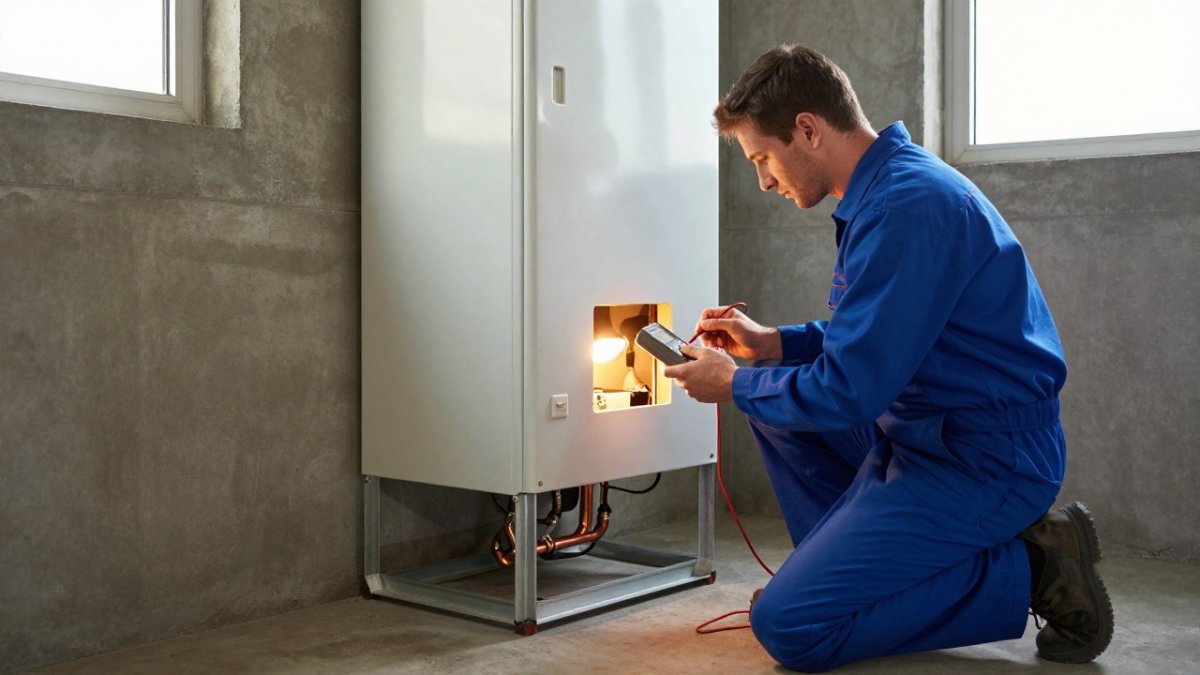
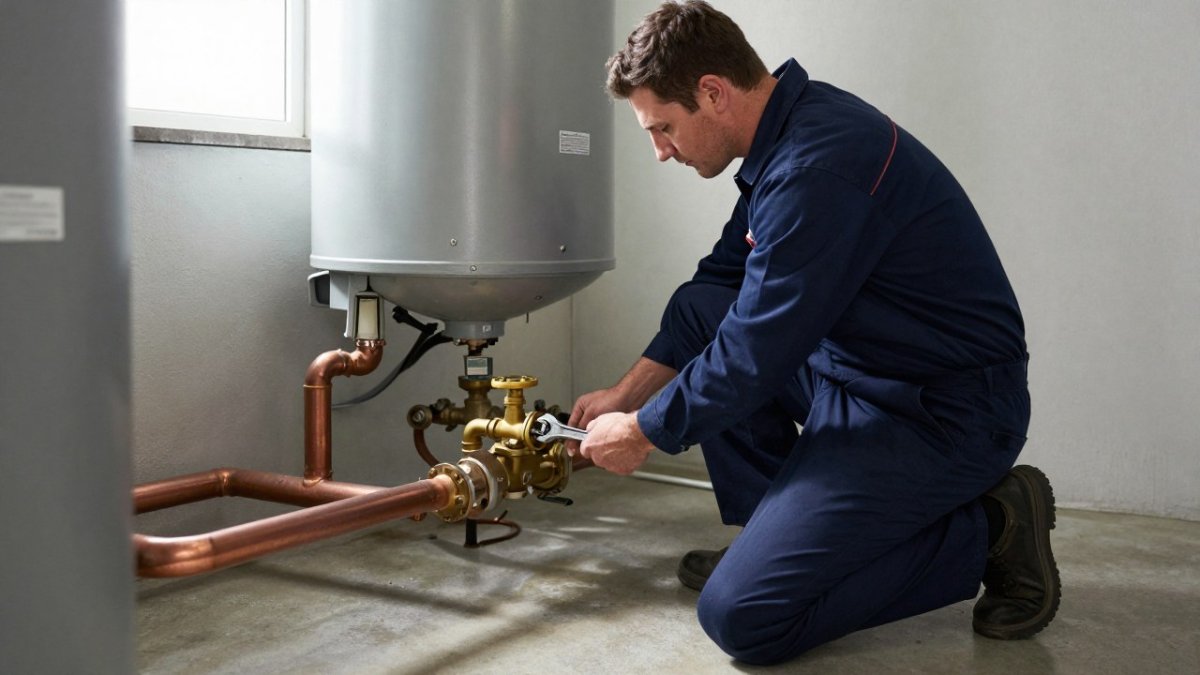
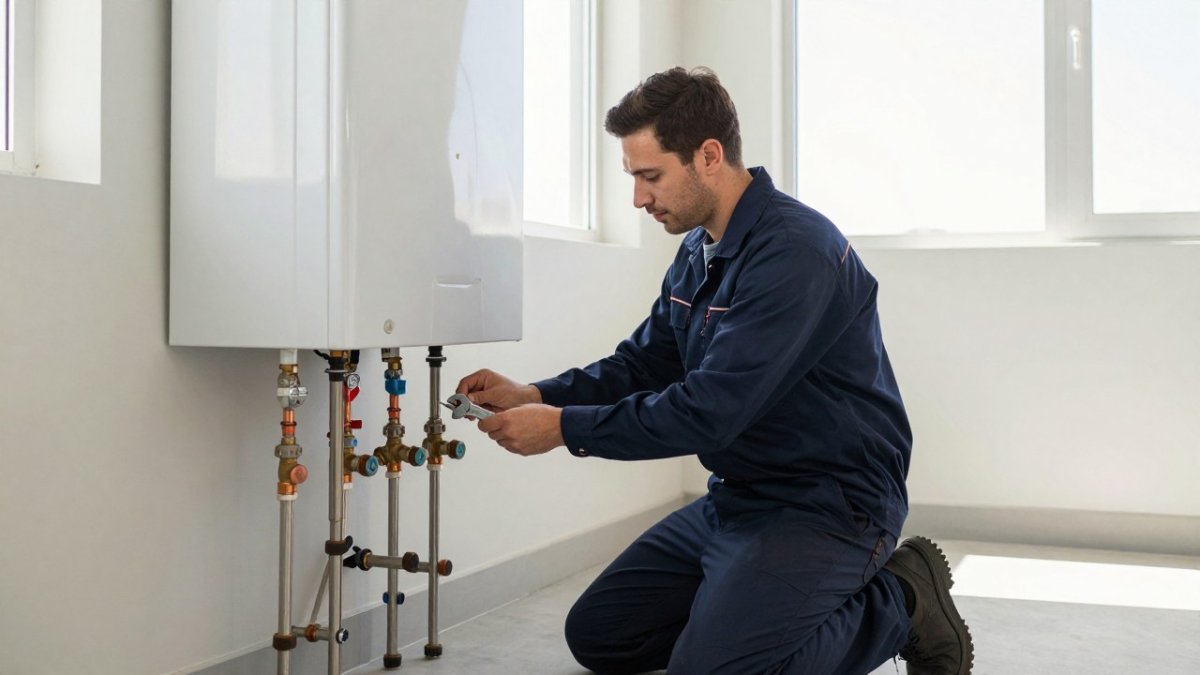
A furnace tune-up is a scheduled visit where a technician inspects, cleans, and tests your heating system. A furnace tune-up helps catch small problems early, before they leave you without heat on a cold night.
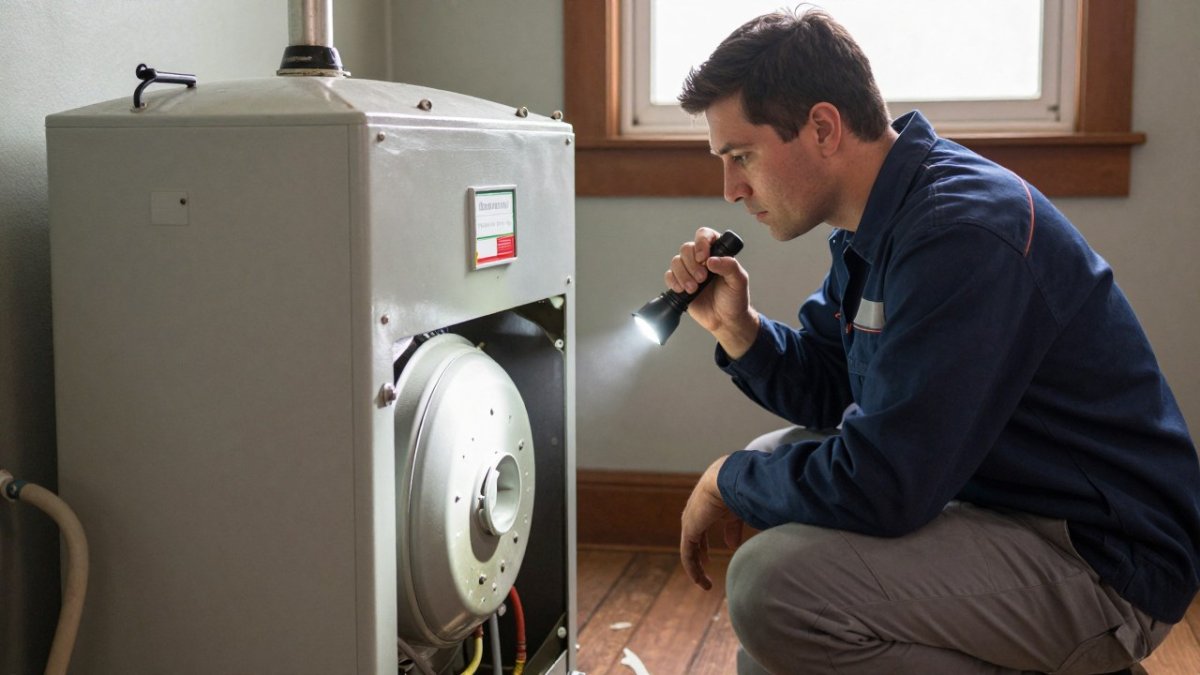
A furnace tune-up typically includes these steps:
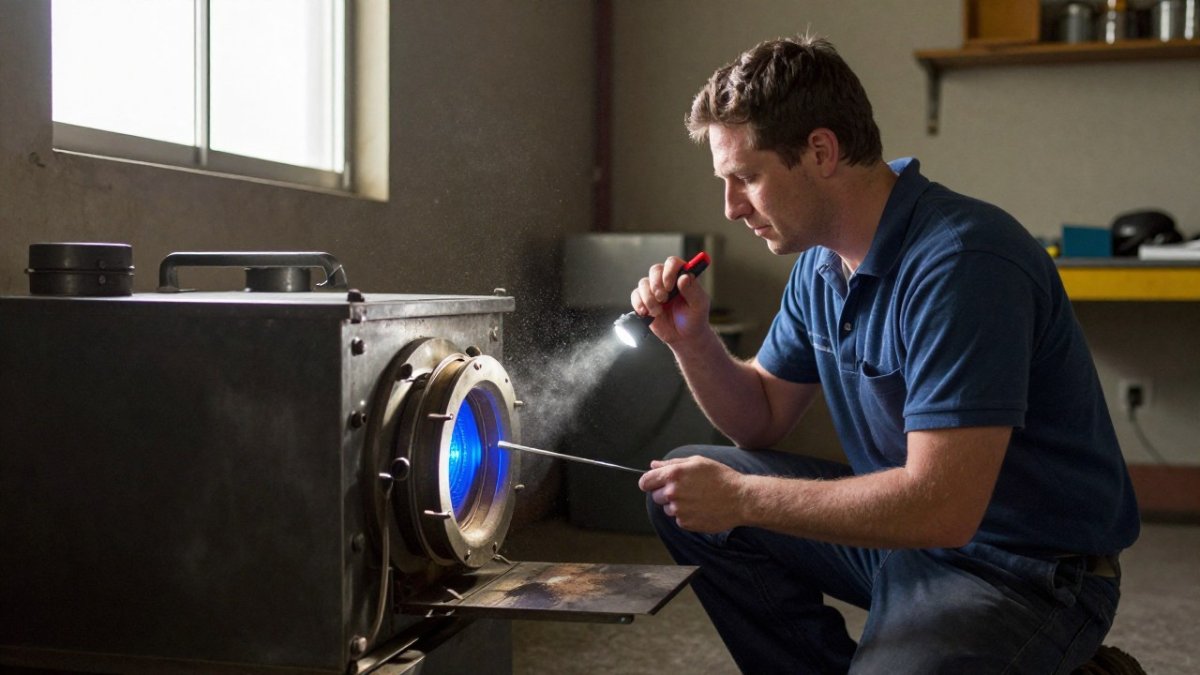
- Inspecting the burner and ignition system
- Checking gas pressure and safety switches
- Testing the flame sensor and carbon monoxide levels
- Cleaning the blower and checking the blower motor
- Inspecting ductwork and the condensate drain
- Confirming the thermostat is calibrated
A furnace tune-up covers the following checks and cleaning steps:
| Step | What the technician does | Key focus |
|---|---|---|
| Burner and ignition | Inspects the burner and ignition system | Reliable startup |
| Gas and safety | Checks gas pressure and safety switches | Safe operation |
| Flame and CO | Tests the flame sensor and carbon monoxide levels | Early problem detection |
| Blower | Cleans the blower and checks the blower motor | Airflow |
| Ducts and drain | Inspects ductwork and the condensate drain | Proper airflow and drainage |
| Thermostat | Confirms the thermostat is calibrated | Accurate temperature control |
How Long a Furnace Tune-Up Takes and Whether It Is Worth It
A tune-up usually takes about one hour, though older systems can take longer. The right answer depends on your system's age and condition, and a technician can tell you what makes sense for your home. For more on what the visit costs in 2026, see our HVAC System Tune Up Cost guide. You can also learn about indoor air quality systems that work alongside your furnace.
Furnace Tune-Up Checklist and Booking Your Visit Near Me
Before the visit, change your filter and clear space around the unit. Our guide to cleaning HVAC air filters at home explains how to do this properly. For a broader list, check our HVAC maintenance checklist for homeowners.
To book a furnace tune-up, contact Tornado HVAC to schedule your visit.
Frequently Asked Questions
How long does a furnace tune-up usually take?
A furnace tune-up typically takes around an hour, though the time depends on the age and condition of the unit. The technician works through the burner, ignition, safety controls, blower and airflow, and then reviews the results with you. If the inspection finds a problem that needs a repair, the visit may run longer or require a follow-up appointment. Tornado HVAC can confirm the expected timing for your specific system when you schedule a visit.
Is a furnace tune-up worth it?
A tune-up helps catch worn parts, dirty components and safety issues before they cause a breakdown on a cold night. Many homeowners find that a written summary of the system's condition makes it easier to plan repairs or replacement. For current pricing on a tune-up, contact Tornado HVAC directly.
What should I do before a furnace technician arrives?
Clear the area around the furnace so the technician can reach the cabinet, burner and access panels safely. Note any problems you have noticed, such as unusual noises, uneven heating or a change in your energy bills. Make sure a thermostat and the rooms it controls are easy to access. Having these details ready helps the visit go faster and gives the technician more to work with.