 How-to
How to Check HVAC System Performance at Home
Last Updated: November 13, 2026
Quick Summary
To check HVAC system performance, run cooling for 15 minutes, hold a digital thermometer in a return grille for 5 minutes, then at a supply vent for 5 minutes, and record both readings and the difference monthly. Also change or clean clogged filters and confirm vents and return grilles are open.
- Change or clean clogged filters and confirm vents and return grilles are open monthly.
- Clear debris from the outdoor condenser and note odd noises, smells, or short cycling.
- On a heat pump, run the same return-and-supply test in heat mode.
- Watch for an outdoor unit that ices over and stays frozen or auxiliary heat in mild weather.
- Never open refrigerant lines or electrical panels yourself; those checks belong to a licensed technician.
Table of Contents
- Start With a Safe HVAC Inspection Checklist
- Follow a Simple HVAC Performance Test Procedure
- How to Check HVAC System Performance on a Heat Pump
- Frequently Asked Questions
Start With a Safe HVAC Inspection Checklist
Learning how to check HVAC system performance starts with a simple, safe walkthrough. A careful look can catch small problems before they get expensive.
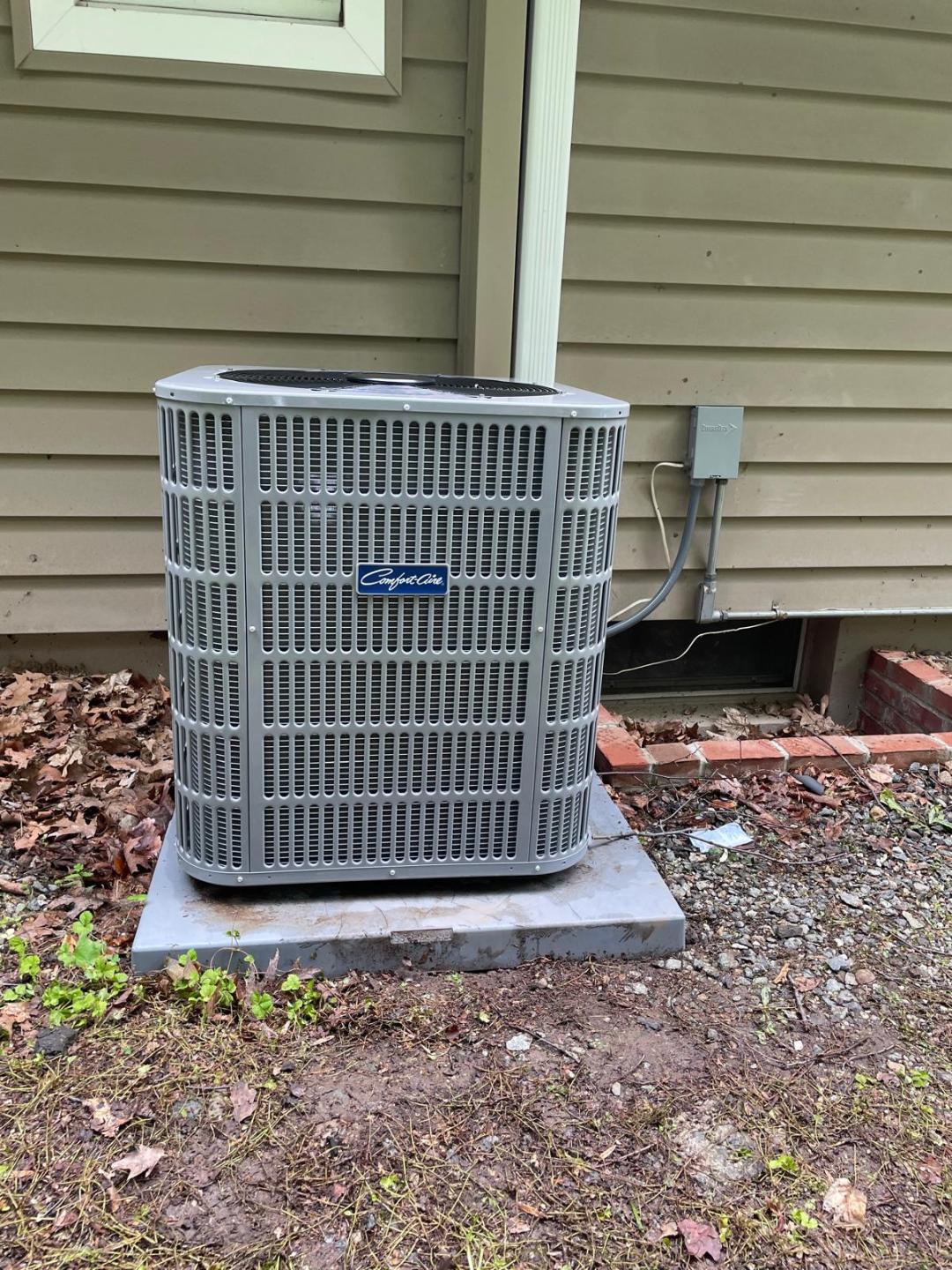
Monthly: change or clean clogged filters, confirm vents and return grilles are open, check for dust streaks or frost near the air handler, clear debris from the outdoor condenser, and note odd noises, smells, or short cycling. Follow our HVAC maintenance checklist for homeowners for a full seasonal routine.
Follow a Simple HVAC Performance Test Procedure
An HVAC performance test procedure is a repeatable way to measure how well your system moves and cools air, giving you a trackable baseline.
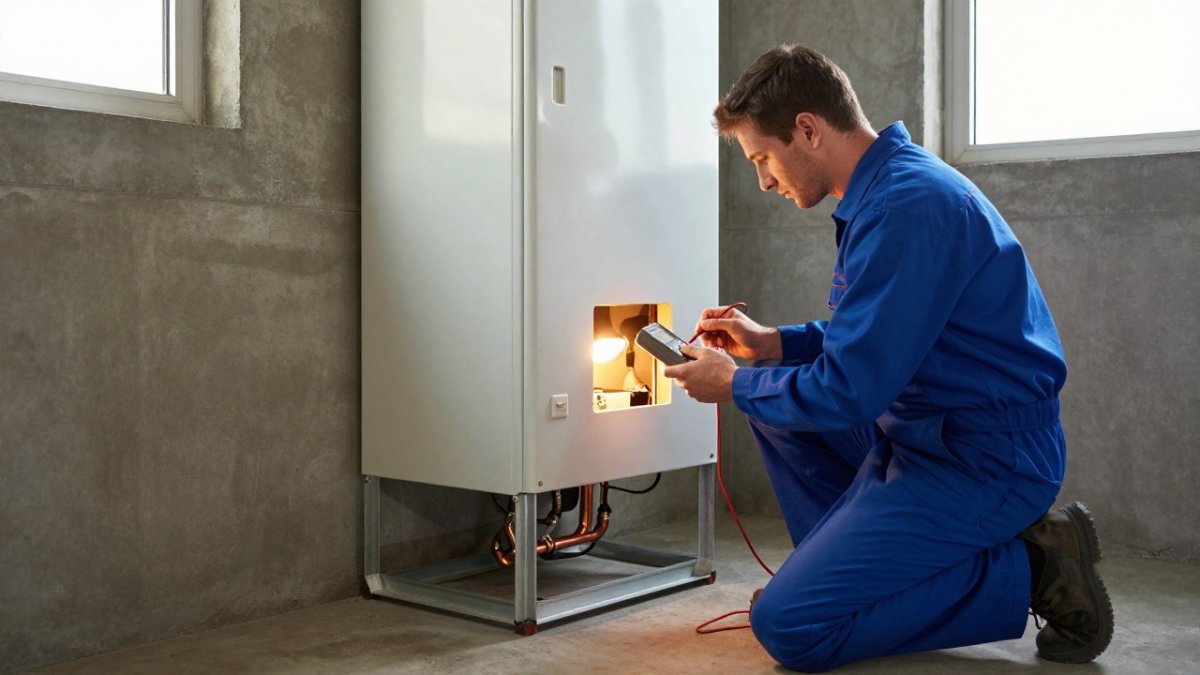
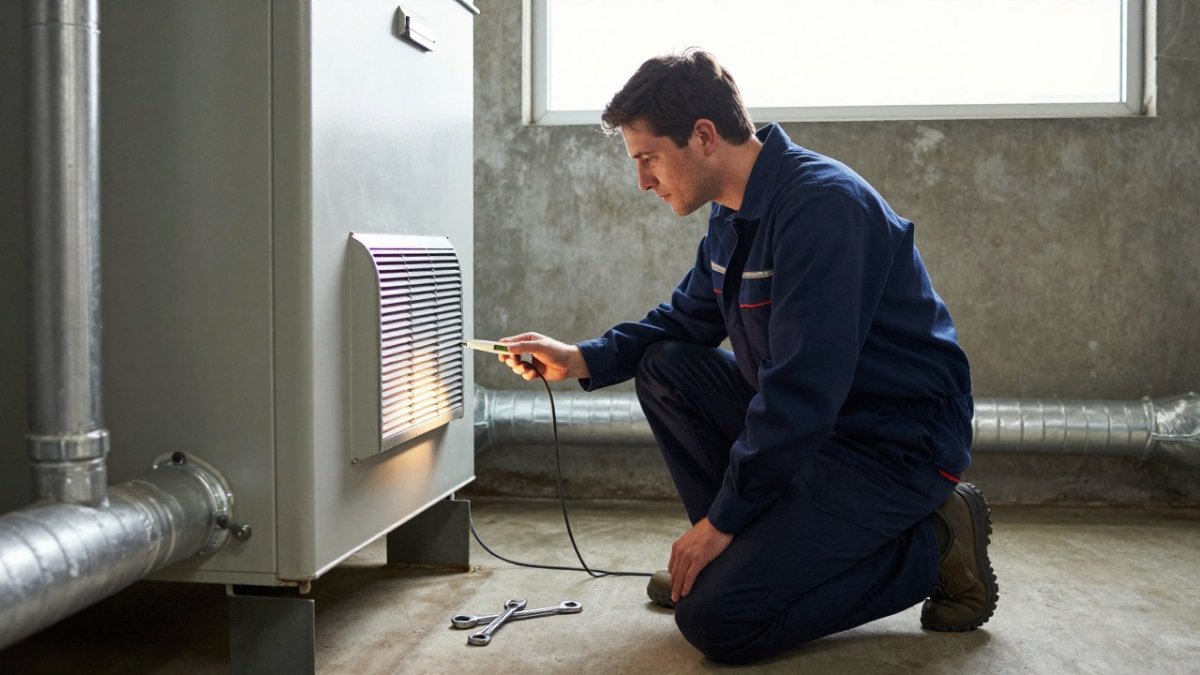
Run cooling for 15 minutes, hold a digital thermometer in a return grille for 5 minutes, then at a supply vent for 5 minutes, and record both readings and the difference monthly. Read our guide on how to clean HVAC air filters properly first.
If upstairs rooms never match downstairs, our guide on the best way to balance airflow in a multi-story home explains how to even things out.
| Test Step | What to Record | How Often |
|---|---|---|
| Thermostat setpoint | Target temperature | Monthly |
| Return air reading | Temperature in degrees | Monthly |
| Temperature difference | Return minus supply | Monthly |
How to Check HVAC System Performance on a Heat Pump
Checking HVAC system performance on a heat pump means testing both cooling and heating modes, since heat pumps run year-round.
Run the same return-and-supply test in heat mode, and watch for an outdoor unit that ices over and stays frozen, constant running without reaching setpoint, auxiliary heat in mild weather, or weak airflow. Our guide on how to troubleshoot common heat pump problems covers likely causes, and how to find reliable HVAC maintenance services covers next steps.
Never open the refrigerant lines or electrical panels yourself; those checks belong to a licensed technician.
Some performance problems hide behind readings a homeowner cannot safely take. If your numbers look off, or you want a professional baseline, Tornado HVAC can help. We offer 24/7 emergency service, seasonal maintenance and tune-ups, and heat-pump and central-air diagnostics across Bergen, Essex, Morris, Passaic, and Union counties. Our focus is professional diagnostics and clear written recommendations. Schedule service with Tornado HVAC.
Frequently Asked Questions
How can I tell if my HVAC system is working properly?
Start with the basics: a clean air filter, open supply and return vents, and a thermostat set to the right mode. Then measure the air temperature at a supply vent and a return vent with a digital thermometer. A steady, consistent difference between the two suggests the system is moving and cooling or heating air as intended. Uneven room temperatures, weak airflow, strange noises, or rising energy bills point to a problem worth a professional look.
How do I check heat pump performance at home?
Run the heat pump in cooling mode first, then in heating mode, letting each cycle stabilize for 15 to 20 minutes. Measure supply and return air temperatures in both modes and note the difference. Check that the outdoor unit is clear of debris and that the thermostat is not stuck in emergency heat. If the system struggles in one mode, or the numbers swing widely between checks, a technician can test refrigerant charge and component operation.
When should I call an HVAC technician about poor system performance?
Call a technician when airflow stays weak after a filter change, when rooms never reach the thermostat setting, when you hear grinding or rattling, or when the system short-cycles. Also call if you see ice on the indoor coil or outdoor unit, smell burning, or notice a refrigerant leak. These signs point to issues that need gauges, electrical testing, and refrigerant handling, which are technician-level tasks.